NHS Doctors Launch Public Appeal Ahead of Major Six-Day Strike
Doctors across the National Health Service are making a direct appeal to the public not to view them as "selfish" as they prepare to embark on a significant six-day strike across England. The industrial action, set to begin on Tuesday morning following the Bank Holiday weekend, represents the 15th walkout by resident doctors since 2023 and will be the joint-longest in the ongoing dispute.
Clash of Perspectives in the Mirror
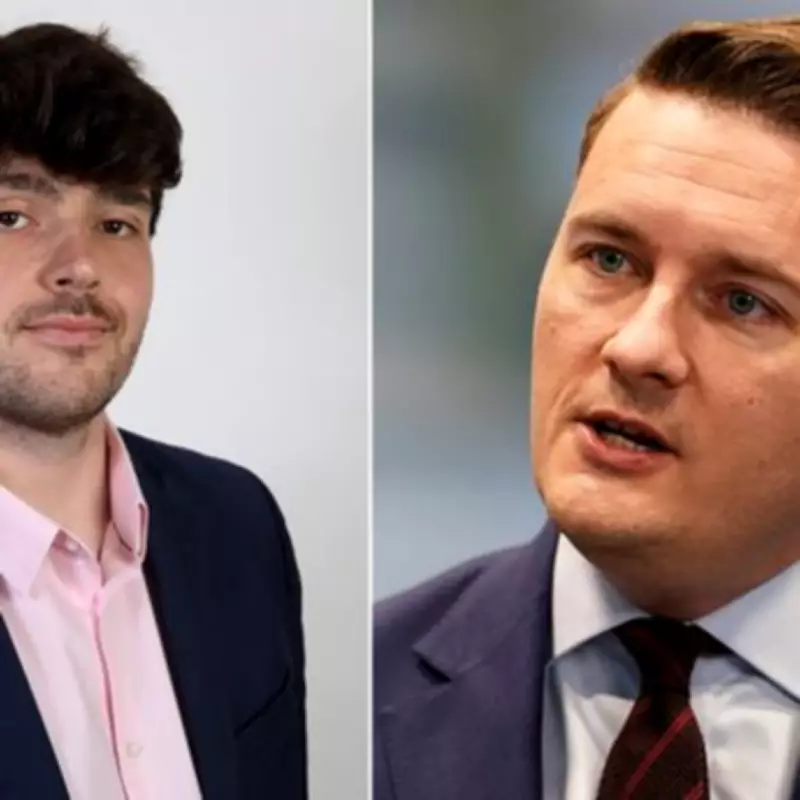
Health Secretary Wes Streeting and strike leader Dr Jack Fletcher have both published articles in the Mirror today, presenting contrasting viewpoints as resident doctors prepare for what promises to be a disruptive period for NHS services. Mr Streeting maintains that the government's offer represents a substantial pay increase, while doctors argue it amounts to a real-terms pay cut when inflation is considered.
"Think about the last time you were in A&E or on a ward," writes Dr Jack Fletcher, chair of the British Medical Association's Resident Doctors Committee and an acute medicine doctor based in the North East. "Maybe it was your mum's hip. Your dad's chest pains or one of your children, poorly in the early hours of the morning. And think about who was there. Not the Health Secretary. It was a doctor, bleary eyed, probably in their 20's or 30's - who knew what to do."

Dr Fletcher continues with a personal appeal: "From today thousands of those doctors across are walking out of every NHS trust in England for six days. I will be one of them. If you've already made up your mind I am being selfish, I'm asking you to hold that thought just for a moment."
The Government's Position
Health Secretary Wes Streeting has stated that the headline pay offer was 3.5% for 2026/27, but the overall package of measures would have led to resident doctors receiving an average pay rise of 4.9%. This comprehensive package included reimbursement for mandatory exam costs and an additional 1,000 medical training places.
"It is disappointing for patients and staff alike that the BMA has decided to press ahead with strikes this week," Mr Streeting commented. "Despite the deal we put to them which would have seen resident doctors 35.2% better off, on average, than they were four years ago. My heartfelt thanks go out to all those hard at work this week."
The Health Secretary has accused the BMA's powerful Resident Doctors Committee of unilaterally rejecting the deal instead of putting it to a vote by doctor members. He has also warned that some aspects of the deal - including the 1,000 extra training places - may need to be withdrawn to cover NHS costs associated with the strike action, which some estimates place at £250 million in lost activity and emergency cover.
The Doctors' Perspective
The dispute centres on claims by the Resident Doctors Committee that the government made "last minute changes" to the proposed deal, resulting in some aspects of the pay increase being phased in over three years rather than implemented immediately.
Dr Fletcher stresses that with RPI inflation running at 3.6%, their headline pay deal of 3.5% still represents a real-terms pay reduction. "The Health Secretary may well be 'disappointed', but he is failing to acknowledge a deal was taking shape until his government quietly watered it down," he states. "Reducing the money on the table, then stretching what was left over too many years to make it worthwhile."
Resident doctors, who are hospital doctors below consultant level and were formerly known as junior doctors, argue that their real-terms pay has been cut by 21% since 2008. They maintain they are not asking for a pay rise but rather seeking to return to 2008 pay levels when adjusted for inflation.
Impact on NHS Services
The strike action is expected to result in thousands of hospital appointments being cancelled across England. However, emergency services and life-saving care including A&E, maternity, critical care and urgent cancer treatment will continue as normal throughout the industrial action.

Mr Streeting has sought to reassure the public: "Strikes will mean cancelled appointments but in the last round of industrial action the NHS held strong and delivered 95% of its planned care thanks to the hard work of NHS staff around the country."
The government is working with NHS teams to minimise disruption as much as possible, with doctors, nurses and other healthcare staff stepping in to cover essential services. Most urgent cases will be prioritised, though patients may experience longer waiting times than usual.
Broader Context of Public Sector Pay
Most other NHS staff including nurses and midwives have only been offered 3.3% for 2026-27, while approximately 1.5 million council workers have been awarded a 3.3% pay rise. Pay settlements for this financial year were decided when inflation was decreasing, with independent experts expecting it to drop below 2% later this year.
However, geopolitical factors including the US-Israel conflict with Iran have altered economic forecasts, with inflation now expected to rise rather than fall. The latest retail prices index annual inflation rate was 3.6% as of February, while the government's preferred consumer price index measure stood at 3%.
Looking Forward
As resident doctors prepare to down their stethoscopes from 7am on Tuesday, both sides appear entrenched in their positions. Dr Fletcher concludes his appeal with a direct message: "We want to be valued, as we value the patients in our care. Not with warm words or applause, but with a wage that reflects what we do. We're willing to end these strikes, Mr Streeting needs to be too."
The coming week will test the resilience of NHS services and the determination of both government and medical professionals to reach a resolution that addresses the concerns of healthcare workers while maintaining essential services for patients across England.