The Gym Selfie Epidemic: How Vanity Culture Has Invaded Our Workout Sanctuaries
Increasingly, our society has transformed the gym from a place of physical exertion into a vanity opportunity where selfie-taking has become an integral ritual. This cultural shift, described by commentator Olivia Petter, reflects a broader obsession with documenting every aspect of our lives for public consumption.
The Subtle Onset of a Social Media Plague
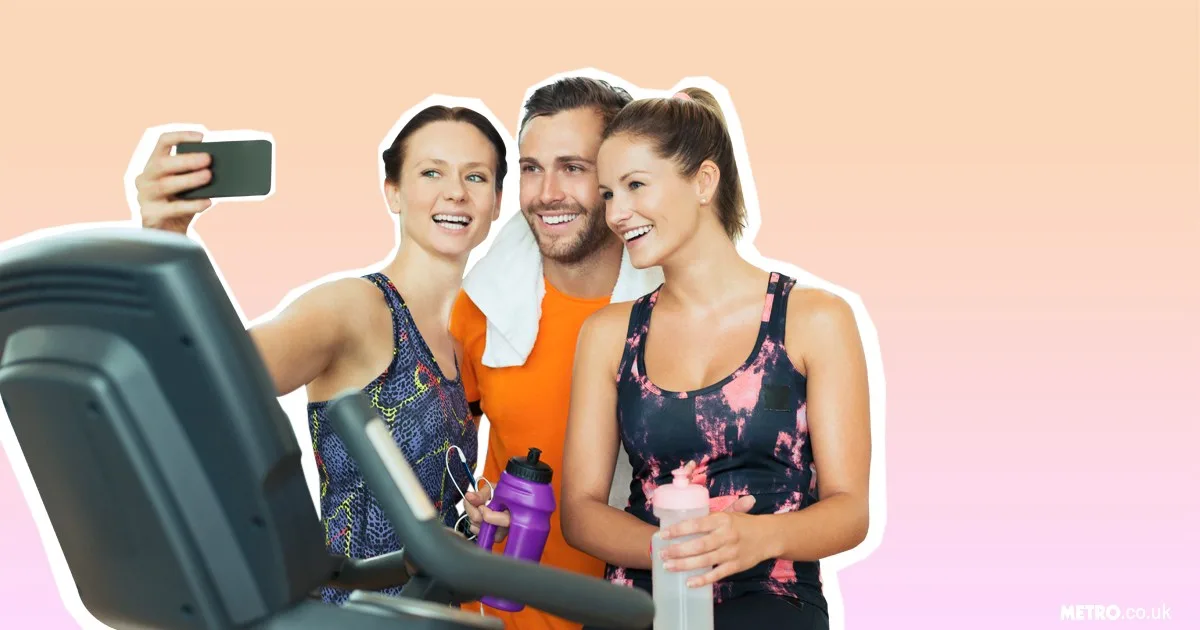
The gym selfie epidemic began almost imperceptibly. Like a slow-spreading rash, it started with a few sweat-drenched individuals taking quick snaps between repetitions, or women discreetly posing in mirrors to capture their new athleisure outfits. These early adopters operated with stealth and subtlety, treating their photography as a form of tradecraft. However, this discretion has evaporated entirely.
Now, gym-goers encounter selfie-takers in every corner of fitness facilities. They populate the weights area, smouldering into their own reflections while clutching dumbbells and smartphones simultaneously. They occupy the exercise mats, contorting their bodies into acrobatic positions to document their stretching routines. Most intrusively, they commandeer changing rooms, striking exaggerated poses with jutting hips and tensed stomachs while ordinary patrons scurry past, desperately trying to avoid becoming scowling, glaring, or potentially naked background extras in someone's next Instagram post.
The Pressure to Participate in Digital Vanity
Gym selfies have undergone a remarkable cultural transformation. Once considered embarrassing, cringe-worthy, and deeply uncool, they have become so commonplace that non-participants now risk appearing out of touch. These curated images flood Instagram feeds and dating app profiles, representing yet another facet of our obsessive documentation culture.
"Occasionally I've tried to participate," admits Petter. "Like on days when I feel particularly confident, or I happen to be wearing a matching ALO set that feels especially flattering." The internal pressure whispers seductively: "Drink the Kool-Aid. Embrace a few minutes of humiliation for the sake of a photo you can post online and in exchange receive validation by way of a few flame emojis."
Yet attempts at participation often end in frustration and shame. The careful choreography of finding flattering angles while maintaining relaxed facial expressions frequently culminates in red-faced, selfie-less defeat on the gym floor.
The Erosion of Sacred Exercise Spaces
For many, exercise represents more than physical activity—it serves as a crucial component of mental wellbeing, boosting serotonin levels and providing calming respite from daily stressors. The gym has traditionally functioned as a safe space where individuals could disconnect from external pressures and focus solely on bodily movement without concern for appearance or external judgment.
This sanctuary is now under threat. The proliferation of gym selfies has converted these spaces into vanity platforms where the emphasis shifts from internal wellbeing to external presentation. The phenomenon extends beyond photography to encompass broader appearance pressures, with women frequently arriving at gyms wearing full makeup and freshly blow-dried hair.
While Petter acknowledges everyone's right to pursue whatever makes them feel good in a culture where beauty operates as currency, she questions the underlying messaging: "Are we really expected to look our best and most poised when we're exercising now? Isn't the gym one of the few spaces where women aren't expected to conform to society's increasingly limited beauty standards? Can we have no respite from the noise of being a woman in the world?"
Regulatory Failures and Unwilling Extras
Many fitness establishments explicitly ban photography, including Petter's own gym. However, these rules appear largely unenforced from the perspective of ordinary members huffing and puffing through their workouts. The most troubling aspect extends beyond the selfies themselves to their unintended consequences.
Given the excessive documentation occurring in gyms worldwide, countless selfies likely feature unwitting background subjects—slightly red-faced, frizzy-haired, grimacing individuals who never consented to their inclusion. As one such frizzy brunette, Petter offers a heartfelt apology to anyone who has captured her in their frames, while gently suggesting that selfie-takers consider alternative locations for their vanity sessions.
The gym selfie epidemic represents more than a minor annoyance—it signifies the encroachment of performative culture into spaces traditionally reserved for authentic, unobserved physical and mental rejuvenation.