Putin's March Offensive Grinds to a Halt in Ukraine
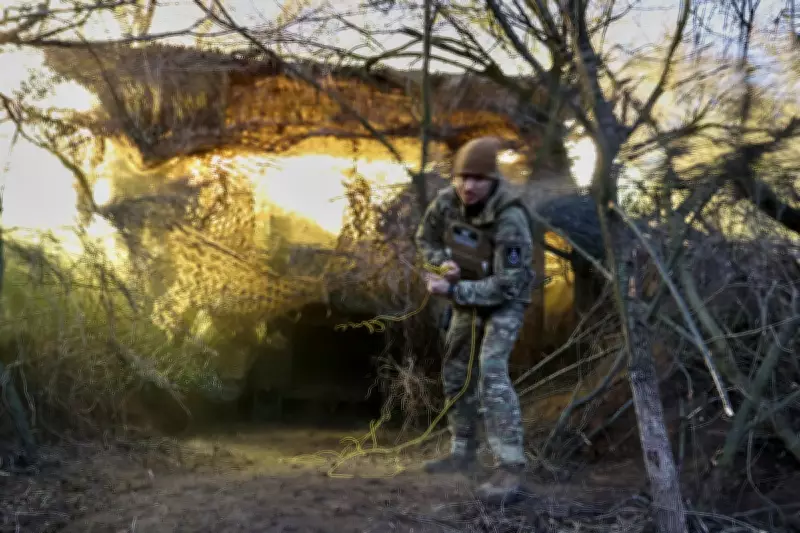
In a significant development in the ongoing conflict, Russia made no territorial gains in Ukraine during the month of March, marking the first time in two and a half years that its military advances have stalled. This pause in Russian progress represents a notable setback for President Vladimir Putin's war efforts, as Ukrainian forces managed to recapture approximately 9 square kilometres of territory during the same period.
Factors Behind the Russian Slowdown
The slowdown in Russian advances is attributed to a combination of strategic Ukrainian counteroffensives and internal communication issues within the Russian military. Key factors include Russia's ban on Starlink satellite terminals, which has hampered battlefield coordination, and attempts to restrict the use of the Telegram messaging app, further disrupting command and control structures. These challenges have contributed to a more static frontline, allowing Ukrainian troops to consolidate positions and launch effective counterattacks.
NATO Tensions and Political Reactions
Amidst the military stalemate, political tensions have escalated on the international stage. Poland's Prime Minister Donald Tusk has commented on former US President Donald Trump's recent threats to withdraw from NATO, describing them as 'Putin's dream plan'. Trump indicated he was 'seriously considering' Washington's withdrawal from the military alliance, claiming that member nations 'were not there for us' during his conflict in Iran. This statement has raised concerns about the future cohesion of NATO and its implications for global security, particularly in relation to the Ukraine war.

Disputed Claims and Battlefield Realities
Ukraine's military has refuted Russian assertions of having taken complete control of the eastern Luhansk region, reporting no significant changes on the battlefield. This denial underscores the ongoing fluidity of the conflict and the importance of verified information in assessing territorial control. The lack of major shifts in March suggests a potential shift towards a more protracted and attritional phase of the war, with both sides grappling for strategic advantages.
The stall in Russian gains during March highlights the resilience of Ukrainian forces and the complexities of modern warfare, where technological disruptions and international political dynamics play crucial roles. As the conflict continues, monitoring these developments will be essential for understanding its broader impact on regional stability and global alliances.