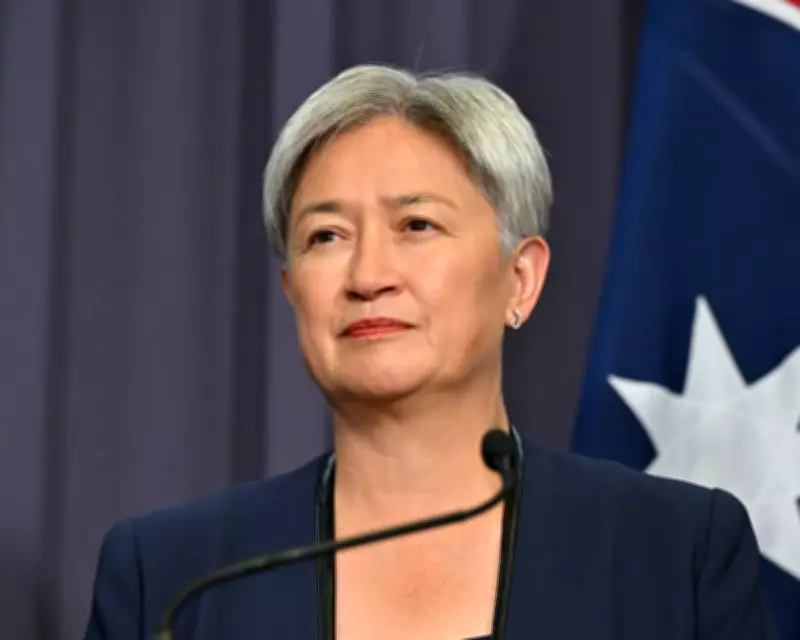
Penny Wong Urges Swift Return to Negotiations After US-Iran Peace Talks Collapse
Australia's Foreign Affairs Minister, Penny Wong, has expressed disappointment and called for an urgent resumption of dialogue following the failure of historic peace talks between the United States and Iran in Pakistan. The high-level negotiations, which marked the most significant direct engagement between Washington and Tehran in decades, broke down after an intense 21-hour first day of discussions.
Ceasefire Must Continue Despite Setback
Wong emphasized that the immediate priority "must be to continue the ceasefire and return to negotiations." She stressed Australia's desire for "a swift resolution to this conflict," warning that any escalation would "impose an even greater human cost and further impact the global economy."
The talks in Islamabad concluded without securing a deal or achieving the reopening of the strategically vital Strait of Hormuz, which has been blockaded amid the ongoing Middle East conflict. This blockade has severely disrupted global trade supplies, creating significant economic pressures worldwide.

US and Iranian Positions Remain Divided
US Vice-President JD Vance departed Pakistan's capital empty-handed, stating he had not received assurances from Iran that it would refrain from restoring its nuclear weapons capabilities. "We've made very clear what our red lines are," Vance declared following the unsuccessful negotiations.
Iranian state media attributed the breakdown to "excessive" American demands, confirming that the talks had ended without agreement. The diplomatic impasse leaves the region in a precarious state, with significant implications for international security and economic stability.
Economic Consequences Loom Large
The Albanese government has repeatedly cautioned that the impacts of the conflict will persist for months, even if the Strait of Hormuz eventually reopens. Treasurer Jim Chalmers warned that pressure on Australian households "won't just disappear the moment the ceasefire sticks or the day the strait of Hormuz is properly opened."
Chalmers elaborated that "even after the drones stop it will take some time to get the global economic show back on the road, and that matters a lot for us as we put a budget together." He described the government's approach to the "oil shock and its aftershocks" as requiring "a lot of hard work and humility."
Potential Toll Booth Concerns Emerge
Adding complexity to the situation, Iran has reportedly considered implementing fees of up to $2.8 million per ship for passage through the Strait of Hormuz, with Oman potentially sharing the proceeds. Shadow Defence Minister James Paterson expressed concern that reopening the strait could become "a revenue-raising tool for Iran's regime."
Paterson emphasized the importance of ensuring that "the end of this conflict does not begin with a new toll booth for the IRGC and the Islamic Republic of Iran, where they get to extort oil tankers as they pass through the strait of Hormuz." He affirmed Australia's strong support for US efforts to resolve the conflict on favorable terms for all parties.
Domestic Implications and Government Response
Infrastructure Minister Catherine King acknowledged that successful US-Iran negotiations represented the "best chance" at reducing fuel prices for Australians. She indicated the government would consider additional support measures for citizens in the lead-up to the federal budget, recognizing the ongoing economic strain caused by the conflict.
The breakdown of these critical peace talks underscores the fragile nature of international diplomacy in the Middle East and highlights the interconnectedness of regional conflicts with global economic stability. As diplomatic efforts continue, the international community watches closely for signs of progress that could ease both humanitarian concerns and economic pressures worldwide.