Pakistan Declares 'Open War' on Taliban Following Major Bombing Campaign in Afghanistan
Pakistan has officially declared 'open war' against the Taliban after conducting a series of airstrikes on major Afghan cities, including the capital Kabul, on Friday. This dramatic escalation follows months of simmering border clashes and now threatens to completely unravel a fragile Qatar-mediated ceasefire that was negotiated just last year.
'Our Cup of Patience Has Overflowed'
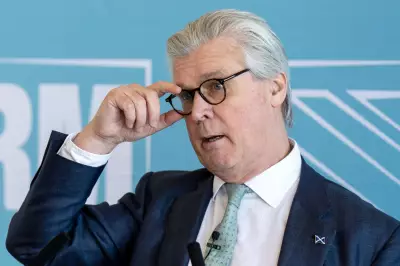
In a stark statement following the attacks, Pakistan's Defence Minister, Khawaja Muhammad Asif, declared, 'Our cup of patience has overflowed. Now it is open war between us and you (Afghanistan).' The minister's words underscore the severe deterioration in relations between the two neighbouring nations.
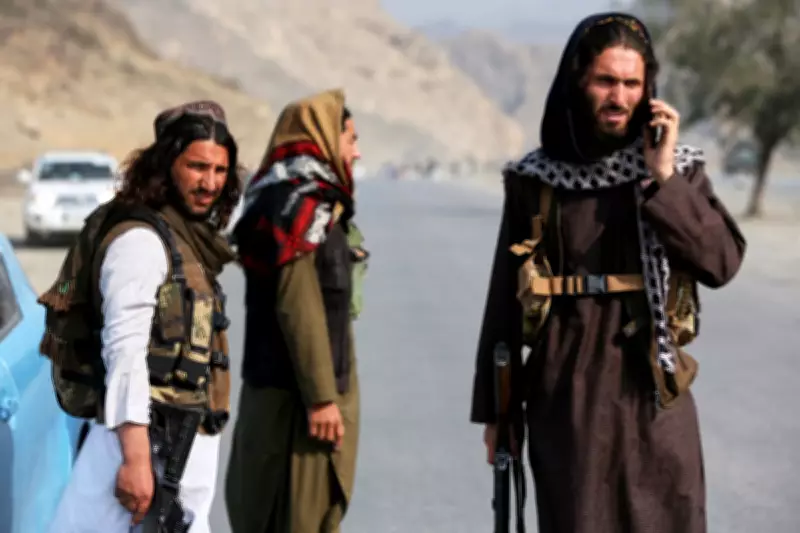
The immediate trigger for Pakistan's offensive was a large-scale Taliban assault on Thursday night against Pakistani military posts along the 2,600-kilometre shared border. The Taliban stated this operation was a direct 'response to repeated provocations and violations by Pakistani military circles,' according to spokesperson Zabihullah Mujahid. The group cited a Pakistani attack the previous Sunday that killed 13 Afghan civilians as a key grievance.

Major Cities Targeted in Retaliatory Strikes
Pakistan, however, insisted the Taliban's border offensive was 'unprovoked' and launched what it termed an 'immediate and effective response.' This retaliation involved bombing raids on several major population centres. Targets included the cities of Kabul and Kandahar, as well as Paktia province.
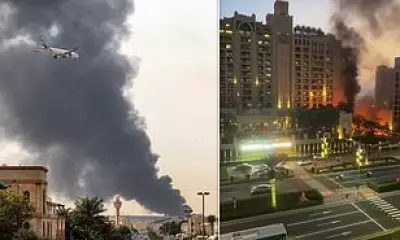
In western Kabul's Darulaman neighbourhood, thick plumes of black smoke were seen rising from residential areas, and verified video footage showed a fierce blaze engulfing part of a depot. The strikes have resulted in significant destruction and a mounting human cost.
Heavy Casualties Reported by Both Sides
Casualty figures released by both militaries paint a grim picture of the intense fighting. According to Pakistan's military spokesperson, Ahmed Sharif Chaudhry, the clashes have resulted in 274 Afghan Taliban officials killed and more than 200 wounded. He stated that 12 Pakistani soldiers lost their lives and reported the destruction of at least 22 Afghan military targets.
Afghanistan's defence ministry provided a conflicting account, claiming that more than 55 Pakistani soldiers have been killed and several 'captured alive.' The ministry said eight Afghan soldiers died and 11 were wounded, adding that its forces had successfully hit 19 Pakistani military outposts.
International Calls for Diplomacy and De-escalation
The dangerous escalation has prompted urgent concern from the international community. Russia's foreign ministry has called for an immediate halt to the conflict and a return to negotiations. Officials from Russia, Turkey, China, and Saudi Arabia are reportedly attempting to mediate, while Iran's foreign minister, Abbas Araghchi, announced Tehran's readiness to assist.
UN human rights chief Volker Türk appealed for 'urgent political dialogue' between the two nations. In a statement on Friday, Taliban spokesperson Zabihullah Mujahid indicated that Afghanistan hopes to resolve the conflict through dialogue, offering a potential diplomatic off-ramp.
Underlying Tensions and Regional Instability
Despite these calls, Pakistan's military says it is continuing its operations under the direction of Prime Minister Shahbaz Sharif. The conflict is rooted in long-standing accusations from Islamabad that Kabul harbours militants from Tehreek-e-Taliban (TTP), or the 'Pakistani Taliban'—a claim the Afghan Taliban consistently denies.
This internal militant threat has been severe for Pakistan, which experienced its deadliest year for combat deaths in a decade during 2025 due to counterterrorism operations. The situation is further complicated by a significant shared Pashtun population across the border.

The instability erupts at a delicate time for the wider region, which is already facing heightened tensions between the United States and Iran. Meanwhile, Afghanistan continues to grapple with extreme poverty, unemployment, and hunger following the Taliban's return to power in 2021 and the subsequent collapse of international aid.