

Pakistan Launches Airstrikes in Afghanistan as Border Clashes Escalate
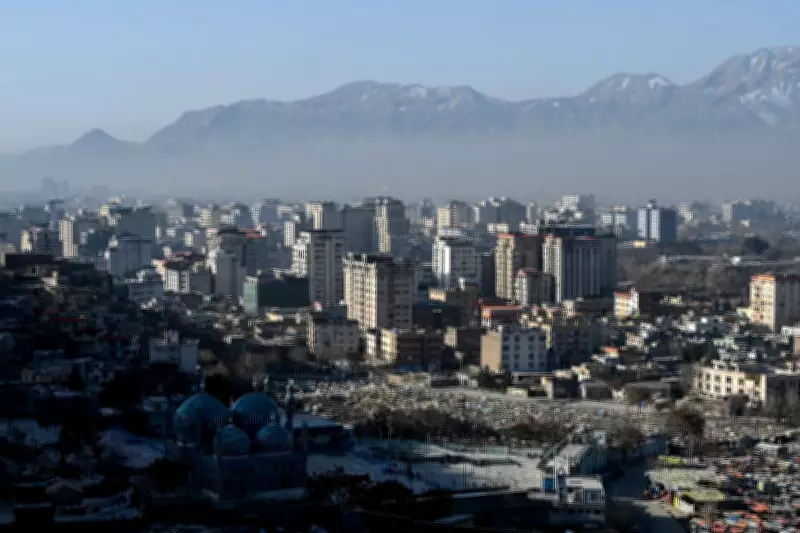
Pakistan carried out a series of airstrikes in Afghanistan on Friday, targeting what it described as insurgent camps and military posts, while declaring an "open war" with its western neighbour. The strikes hit the capital city of Kabul and the southern city of Kandahar, where senior leaders of the ruling Taliban, including supreme leader Hibatullah Akhundzada, are believed to be based.
Targets and Ground Clashes
Islamabad claimed the missile strikes were aimed at Islamist and ethnic insurgents responsible for terrorist attacks inside Pakistan. Security sources in Pakistan confirmed the strikes targeted Taliban military offices and posts in Kabul city, Kandahar's Daman district, and Paktika province in southern Afghanistan. Daman is home to a base of the Taliban border guard, making it a strategic location.
Officials also reported ground clashes in multiple sectors along the border between the two nations. Afghan authorities in the eastern Nangarhar province stated that fighting was ongoing in the Torkham border area. The province's information directorate alleged that Pakistani mortar fire hit civilian areas in Torkham, including a refugee camp that had been evacuated overnight. In response, Afghan forces targeted Pakistani army posts across the border.

Retaliatory Attacks and Casualties
The airstrikes occurred hours after the Taliban announced they were conducting retaliatory attacks on Pakistani military installations. This was in response to last Sunday's attacks by Pakistani forces that killed 13 civilians. Both sides reported heavy losses in the latest fighting, issuing sharply diverging casualty tolls that could not be immediately verified independently.
Pakistan's defence minister, Khawaja Muhammad Asif, declared that his country's "patience had run out" and that the two nations were now engaged in an "open war." He stated, "Now it is open war between us." There was no immediate reaction from Kabul following this declaration.
Background and Accusations
Asif noted that Pakistan had hoped for peace after the withdrawal of NATO forces in 2021 and expected the Taliban, which then seized power, to focus on the welfare of the Afghan people and regional stability. However, tensions have boiled over due to rising militant violence in the region.
Islamabad frequently accuses Afghanistan of sheltering militants responsible for deadly attacks in Pakistan, particularly the Tehreek-e-Taliban Pakistan and the outlawed Baloch Liberation Army. Kabul denies these allegations, asserting it will never allow Afghan soil to be used for terrorist activities. Additionally, Pakistan accuses its eastern neighbour, India, of backing Baloch separatists and the Pakistani Taliban, accusations that India also denies.
The situation remains volatile, with ongoing clashes and airstrikes marking a significant escalation in the long-standing tensions between the two South Asian neighbours. The international community is closely monitoring the developments as the conflict threatens regional stability and civilian safety.






