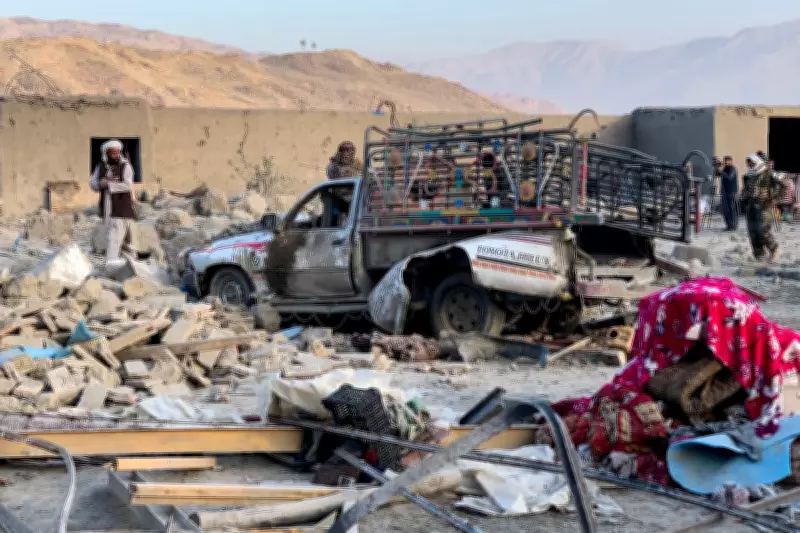
Pakistan Conducts Retaliatory Airstrikes in Afghanistan
Pakistan has carried out a series of airstrikes inside Afghanistan, targeting alleged militant hideouts of the Tehrik-e-Taliban Pakistan (TTP). The military action was described as a retaliatory measure following recent cross-border attacks, including a suicide bombing that killed 11 Pakistani security personnel and a child. The strikes have escalated tensions between the two neighbouring nations, with Afghanistan's Taliban authorities strongly condemning the operations.
Taliban Condemns Strikes as Sovereignty Violation
Afghanistan's Taliban authorities have condemned the Pakistani airstrikes as a blatant violation of national sovereignty and international law. They reported dozens of civilian casualties resulting from the attacks, which hit residential areas such as Girdi Kas village in the Bihsud district of Nangarhar province. The Taliban vowed to deliver an appropriate and measured response at a suitable time, accusing Pakistan of compensating for its own security weaknesses by targeting Afghan territory.
Pakistan's Justification and Evidence
Pakistan asserted that it had conclusive evidence of Afghanistan-based militants directing attacks against its security forces. Officials criticised the Taliban for failing to take substantive action against these militant groups, despite repeated diplomatic requests. The airstrikes were framed as a necessary defensive measure to protect Pakistani citizens and military personnel from ongoing threats emanating from across the border.

Impact on Civilian Populations
The airstrikes have reportedly caused significant harm to civilian populations in affected areas. Afghan men were seen searching for victims in the aftermath of the overnight strikes, highlighting the human toll of the conflict. The Taliban's reports of civilian casualties underscore the broader humanitarian concerns arising from military actions in densely populated regions.
Regional Security Implications
This incident raises serious questions about regional stability and the effectiveness of cross-border security cooperation. Key points include:
- The potential for further retaliatory actions by the Taliban.
- The impact on diplomatic relations between Pakistan and Afghanistan.
- Concerns over civilian safety in conflict zones.
- The role of international law in regulating military strikes.
The situation remains fluid, with both sides maintaining firm positions. Pakistan continues to emphasise its right to self-defence, while the Taliban insists on respecting Afghan sovereignty. The international community is closely monitoring developments, as any escalation could have far-reaching consequences for peace and security in South Asia.