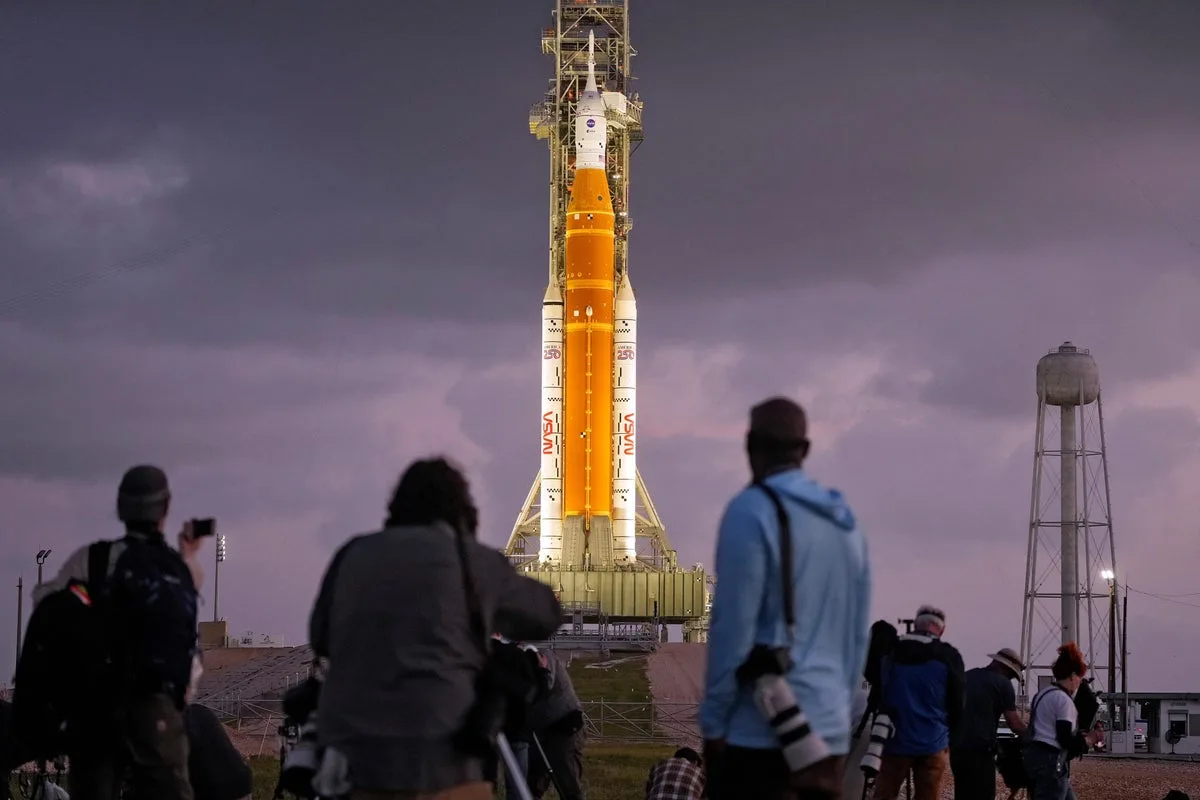
King Charles has extended his "heartfelt good wishes" and a powerful environmental message to the astronauts preparing for NASA's first crewed Moon mission in over five decades. The Artemis II mission, set to launch from Cape Canaveral, Florida, will propel the crew deeper into space than any human has ventured before.
Royal Environmental Plea for Lunar Exploration
The monarch, a noted environmentalist, directed his message to Colonel Jeremy Hansen, a Canadian crew member where Charles serves as head of state. In his letter, the King expressed hope that this epic celestial journey would reinforce the conviction "that we must learn from the lessons of how we have over-exploited and polluted our own planet."
Amid a renewed global space race, Charles emphasised the critical importance of ensuring "that the Moon remains a beacon of peaceful scientific discovery rather than a theatre of exploitation." This sentiment aligns with his 2023 launch of the Astra Carta initiative, which advocates for sustainable, ethical, and responsible space exploration.
Historic Mission Details and Challenges
The astronauts are scheduled to lift off aboard a 322-foot rocket as early as 6.24pm local time on Wednesday, pending favourable weather and no last-minute technical issues. Prior to boarding, the craft required the loading of more than 700,000 gallons of fuel.
This 10-day lunar flyby will send the crew approximately 252,000 miles into space before returning to Earth, surpassing the current record of around 248,000 miles set by the Apollo 13 mission in 1970. While Artemis II will not involve a lunar landing, it is a crucial step toward a planned crewed touchdown within the next few years.
UK Involvement and Broader Context
The United Kingdom is contributing to the mission through the Goonhilly Earth Station in Cornwall, which will assist in tracking the capsule during its voyage. In his letter, Charles reflected on the astronauts' anticipated view of Earth, writing, "May that sight renew in you, and in all who follow your journey, the conviction that we must learn from the lessons of how we have over-exploited and polluted our own planet."
He added, "As you embark on this momentous endeavour, I send you and your fellow crew members my heartfelt good wishes. May the stars align in your favour, and may your safe return inspire countless others to uphold the values of sustainability, cooperation and wonder that the Astra Carta enshrines."
The mission faced a two-month delay due to hydrogen fuel leaks and clogged helium lines, highlighting the technical complexities involved. NASA's last crewed Moon mission was Apollo 17 in 1972, and the agency aims to land astronauts on the lunar surface by 2028, ahead of China's projected timeline around 2030.