Lebanese Australians Rally for Sanctions as Israel Bombs Beirut
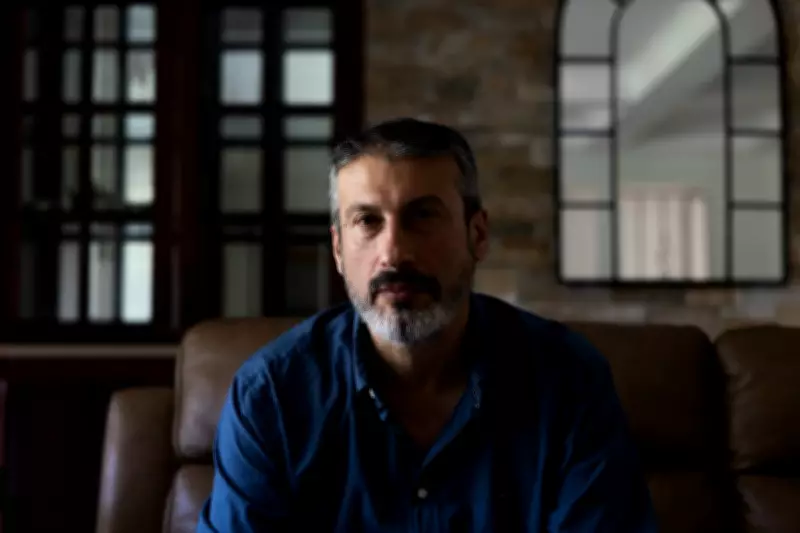
Dr Saad Ramadan, a resident of Western Sydney, was among thousands of protesters who gathered in Melbourne, Adelaide, and Sydney over the weekend. The demonstrations urged the Australian government to impose sanctions on Israel, which continues its bombardment of Beirut and southern Lebanon. Religious and community leaders are amplifying calls for a firmer stance, highlighting the humanitarian crisis and civilian casualties.
Families Flee Under Israeli Strikes
Dr Ramadan's elderly parents and five siblings recently evacuated their village in southern Lebanon under heavy Israeli strikes, seeking refuge in Beirut. However, safety has become a relative concept, as they now live in a cramped two-bedroom apartment after abandoning their home of 80 years with only essential documents and the clothes on their backs. "You don't really know when suddenly these buildings where civilians have been sheltering become 'legitimate targets'," Ramadan says, expressing fear that his family could be next. "Any loss of innocent life is a loss."
The protests, marked by Lebanese and Palestinian flags, mourned the loss of innocent lives. On Wednesday, Israel launched its largest attack on Lebanon since the conflict with Hezbollah began, killing hundreds and wounding 837 people in densely populated areas of Beirut. This event is now referred to as "Black Wednesday" by the Lebanese community. Ramadan describes the emotional toll: "I go to work every morning, come back at 6pm and have to catch up with who was martyred, what building was bombed. The emotional burden is too heavy to live with."

Community Leaders Condemn Western Hypocrisy
Gamel Kheir, secretary of the Lebanese Muslim Association, is among leaders urging stronger action from the Australian government. He criticizes the lack of strong condemnation from Western nations, including Australia, and draws comparisons to the response to the Russia-Ukraine conflict. "The dehumanisation is because they are Muslims," Kheir states, emphasizing that words are insufficient. "I want to see actions, not their empty, hollow words."
The Shia Muslim Council of Australia has welcomed Australia's participation in a joint statement supporting a ceasefire in Lebanon but calls for more decisive diplomatic measures. Dr Ali Alsamail, the council's director, highlights the community's distress and the need for tangible actions, such as sanctions and firmer wording against Israel's violations of international law. "We really need to have a much firmer stance," he asserts.
Government Response and Rising Islamophobia
Prime Minister Anthony Albanese has advocated for extending a two-week Middle East ceasefire to Lebanon, but community leaders demand more concrete assistance. Meanwhile, Alsamail notes a spike in Islamophobia in Australia, with incidents including mosque threats, vandalism, and hate speech on social media. "The pain the Muslim community is feeling around what is happening in the Middle East isn't given as much of a voice," he says, calling for greater acknowledgment from politicians.
Lebanese Bishop Antoine Charbel Tarabay also presses the Australian government to use diplomatic channels to condemn the attacks and advocate for civilian safety. "The Lebanese people deserve to live in safety, free from the shadow of foreign powers and the tragedies of war," he emphasizes.
Outrage Over Global Priorities
Kheir expresses frustration at the disparity between global concerns and the suffering in Lebanon. "There's people dying for your petrol," he says, criticizing the focus on economic interests over human lives. He points out that while the prime minister demands the opening of the Strait of Hormuz for petrol, there is insufficient demand for sparing civilian lives. This sentiment underscores the broader call for humanitarian priorities in international policy.