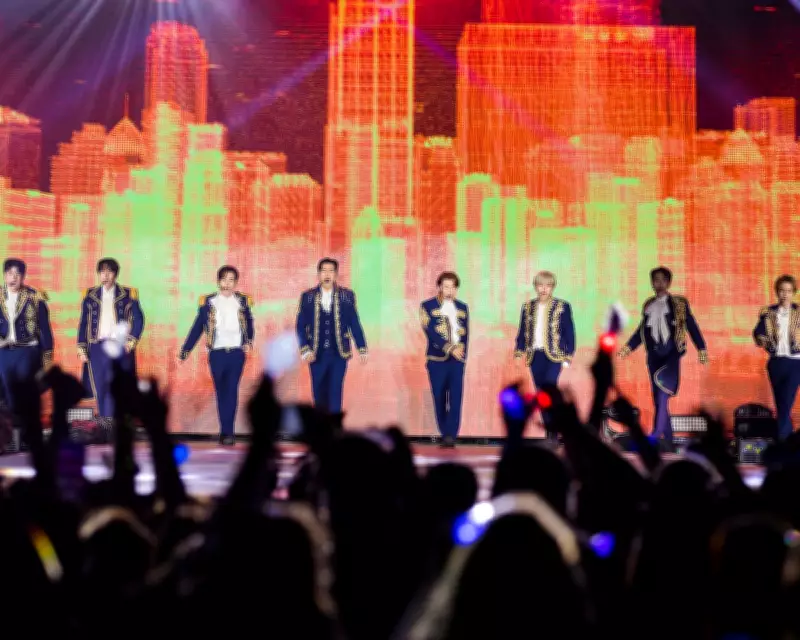
Korean culture is experiencing a remarkable surge in popularity across Latin America, with K-Pop and K-Dramas leading the charge. This cultural wave is reshaping entertainment landscapes from Mexico to Argentina, driven by digital accessibility and a passionate youth following.
The Rise of K-Pop in Latin America
K-Pop groups like BTS and Blackpink have amassed millions of fans in Latin America, with sold-out concerts and viral social media trends. The genre's blend of catchy melodies, intricate choreography, and vibrant visuals resonates deeply with young audiences seeking fresh musical experiences.
Digital Platforms Fuel the Trend
Streaming services such as Spotify and YouTube have played a pivotal role in this cultural exchange. These platforms provide easy access to Korean content, allowing fans to discover new music and shows without geographical barriers. The algorithm-driven recommendations often introduce users to K-Pop hits and K-Drama series, further amplifying their reach.

K-Dramas Captivate Viewers
Korean dramas, known for their compelling storylines and high production values, have found a dedicated viewership in Latin America. Shows like "Crash Landing on You" and "Squid Game" have topped streaming charts, sparking discussions about themes such as romance, survival, and social issues.
Cultural Exchange and Local Adaptations
This trend is not just about consumption; it's fostering a two-way cultural exchange. Latin American artists are collaborating with Korean producers, and local adaptations of K-Dramas are in development. Additionally, fan communities organize events like K-Pop dance covers and K-Drama watch parties, creating vibrant social hubs.
Economic and Social Impacts
The popularity of Korean culture is driving economic opportunities, from merchandise sales to tourism. Fans often purchase albums, clothing, and beauty products inspired by Korean trends. Socially, it promotes cross-cultural understanding, though some critics note concerns about cultural homogenization.
Future Prospects
Experts predict this trend will continue to grow, with more collaborations and content tailored for Latin American audiences. As digital connectivity improves, Korean culture's influence is likely to deepen, potentially inspiring new hybrid art forms that blend Korean and Latin elements.