Iran's Supreme Leader Faces Direct US Military Strikes
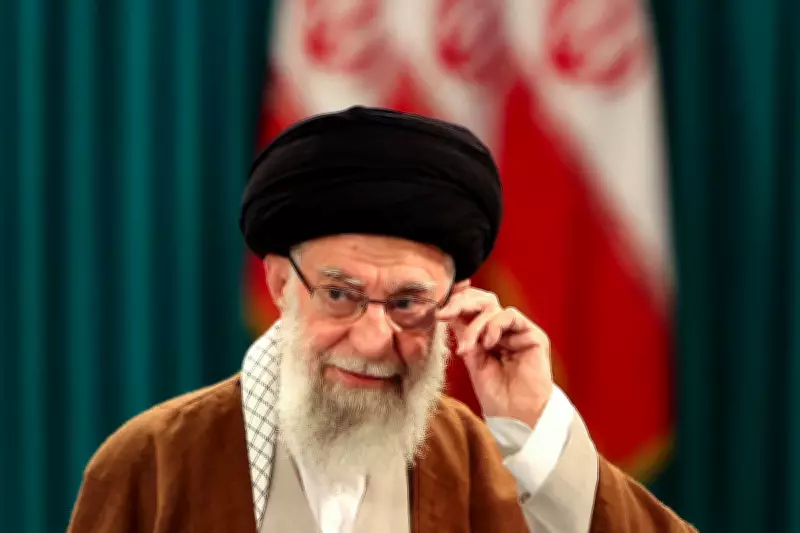
Iran's Foreign Ministry declared on Saturday that it would defend its homeland as the Revolutionary Guard launched counterattacks following US military strikes. Donald Trump confirmed American involvement in operations targeting Iranian military capabilities, with some initial strikes appearing to hit areas around the offices of Supreme Leader Ayatollah Ali Khamenei.
Smoke was visible rising from Tehran's capital as part of nationwide strikes reported by Iranian media. The immediate whereabouts of the 86-year-old leader during the attacks remained unclear. These military actions followed Trump's pressure campaign for a nuclear deal constraint, accompanied by a buildup of American warships in the region as Iran contends with growing domestic dissent following widespread protests.
Khamenei's Transformation of the Islamic Republic
When Ayatollah Ali Khamenei rose to power in 1989, he faced significant doubts about his authority while succeeding Islamic Revolution leader Ayatollah Ruhollah Khomeini. As a relatively low-level cleric lacking his predecessor's religious credentials and charismatic presence, Khamenei nevertheless has ruled three times longer than Khomeini and has dramatically reshaped Iran's Islamic Republic.

Khamenei entrenched the system of rule by Shiite Muslim clerics, securing his position as unquestionable authority in hardliner eyes. Simultaneously, he built the paramilitary Revolutionary Guard into Iran's dominant military and political force. The Guard oversees Iran's ballistic missile program and through its Quds Force international arm, established the "Axis of Resistance" network of proxies stretching from Yemen to Lebanon.
Khamenei granted the Guard extensive business network privileges, allowing it to dominate Iran's economy in exchange for becoming his loyal enforcement arm.
Domestic Challenges and Protest Crackdowns
The first major threat to Khamenei's authority emerged from the reform movement that gained parliamentary majority and presidency soon after his ascension. Reformists advocated for greater elected official power, which hardliners feared would dismantle the Islamic Republic system.
Khamenei rallied the clerical establishment against reformists, with unelected bodies successfully blocking major reforms and barring reform candidates from elections. The Revolutionary Guard and security agencies crushed subsequent protest waves, including:
- 2009 nationwide protests over alleged vote-rigging
- 2017 and 2019 economic protests under sanctions pressure
- 2022 nationwide demonstrations following Mahsa Amini's death in custody
Hundreds were killed in protest crackdowns, with numerous arrests and reports of torture and rape in detention facilities. These successive protests revealed strains in Iran's theocratic system and widespread resentment toward clerical rule, corruption, and economic difficulties.
Building Regional Power and Recent Reversals
When Khamenei assumed power, Iran was emerging battered and isolated from its long war with Iraq. Over three decades, he transformed Iran into an assertive regional power. The 2003 US ousting of Saddam Hussein proved particularly significant, eventually bringing Iranian-allied Shiite politicians and militias to power in Iraq.
Iraq became the linchpin in Iran's Axis of Resistance, grouping Bashar Assad's Syria, Lebanon's Hezbollah, Palestinian Hamas, and Yemen's Houthi rebels. By 2015, this alliance reached its peak, positioning Iran directly on Israel's doorstep.
Recent years have brought dramatic reversals. Hamas's October 2023 attack on Israel triggered massive retaliation against Gaza and shifted Israeli policy toward crushing Iran's allies. While Hamas has been crippled and Hezbollah temporarily sidelined through Israeli bombardment, the December 2024 fall of Syria's Bashar Assad to Sunni rebels represented an even heavier blow, installing a government hostile to Iran and Hezbollah in Damascus.
In June 2025, the US bombed three Iranian nuclear facilities in support of Israel's 12-day war against Iran, though reportedly without destroying Iran's alleged nuclear weapons program.

The February 28 US and Israeli attacks represent what Trump described as a massive operation to destroy Iran's military capabilities and eliminate its nuclear weapon threat. Iran's Revolutionary Guard responded with counterattacks, firing drones and missiles at Israel and striking US military installations in Bahrain, Kuwait, and Qatar.