
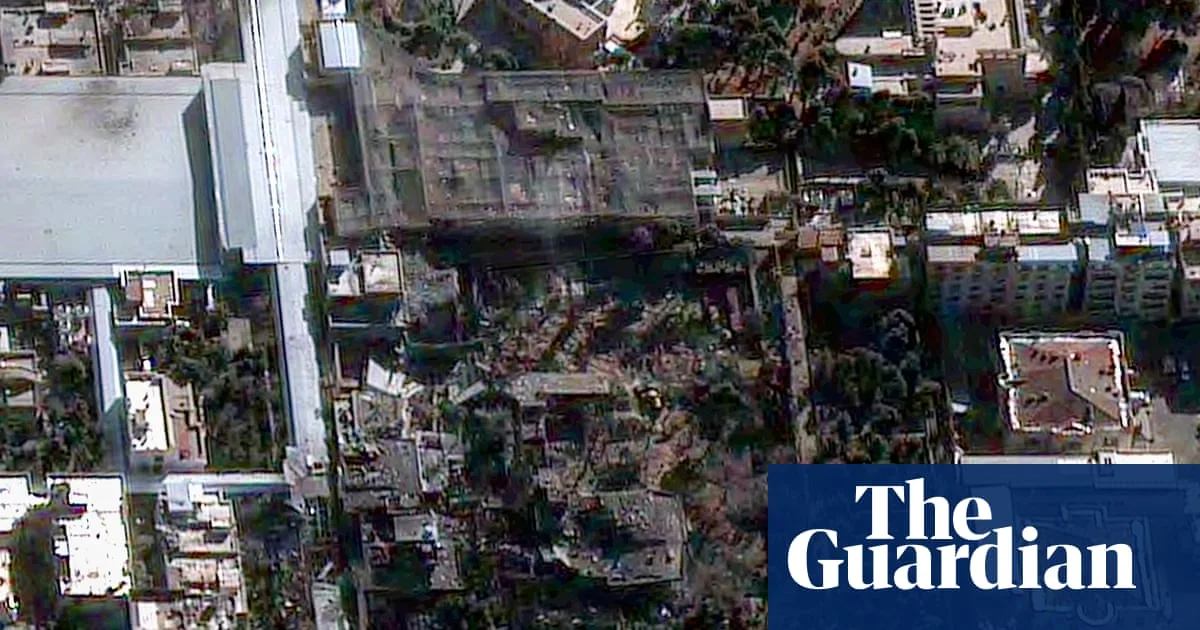
Ayatollah Ali Khamenei, Iran’s supreme leader, was killed in a joint Israeli-US operation that took just 60 seconds to execute, according to military officials in Israel. The assassination, which also killed seven members of the top Iranian security leadership and around a dozen of his family and entourage, was the result of decades of intelligence work by Israeli secret services, with significant support from the CIA over the past six months.
The strikes were carried out near-simultaneously at several locations in Tehran, with a further 40 senior Iranian leaders also killed. The attack marked the opening of an air offensive by Israel and the US aimed at overthrowing the radical clerical regime, plunging the Middle East into fresh chaos. It is the first time Israel has assassinated a head of state.
Some experts have described the operation as a potential strategic error. Yossi Melman, an Israeli analyst specialising in intelligence, warned: “Israel is in love with assassinations … we never learn that it is not the solution. We have killed all the leaders of Hamas. They are still there. It’s the same with Hezbollah. The leaders are always replaced.”
The timing was determined by CIA intelligence about a meeting of top Iranian officials on Saturday morning, at which Khamenei was expected to attend. Israeli spies had built a detailed file on his daily routine and those of his associates. A former CIA veteran noted that in the modern world, “there is no one who doesn’t leave some kind of trail.”
While the US provided crucial technological assets, Israel’s Mossad supplied the human intelligence networks and covert capabilities on the ground. Reports suggest a photograph of Khamenei’s remains was shown to Donald Trump and Benjamin Netanyahu.




