

Iran's Supreme Leader Khamenei Reported Dead After US-Israel Strikes
Iran's Supreme Leader Ayatollah Ali Khamenei has been confirmed dead following a series of coordinated airstrikes by the United States and Israel, according to multiple reports. The attacks, described as "preventative" by Israeli Defence Minister Israel Katz, targeted locations across Iran, including Khamenei's official residence in Tehran, leading to widespread explosions and casualties.
Regional Retaliation and Casualties
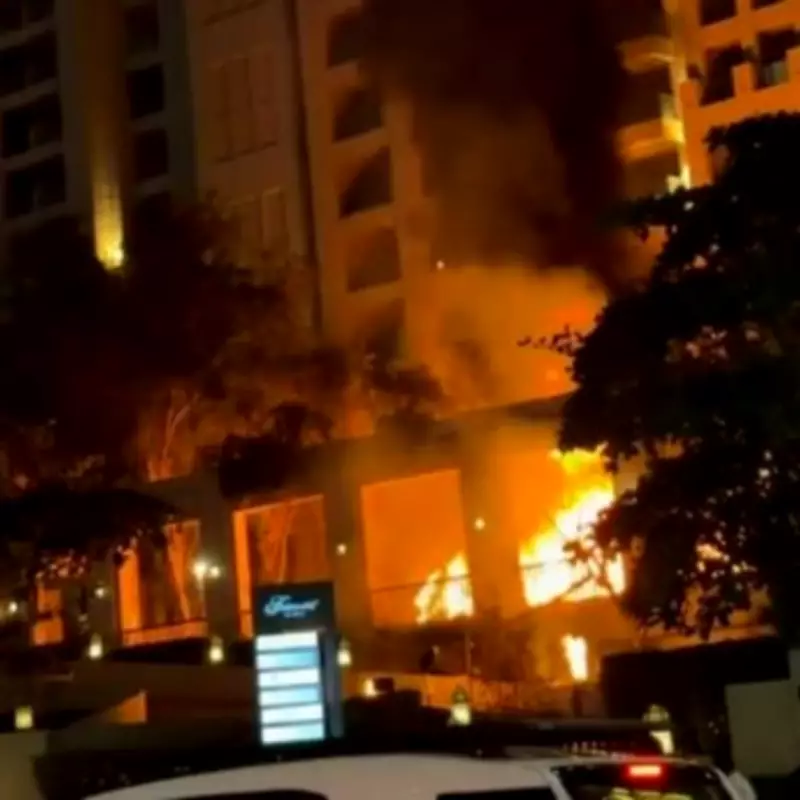
In response, Iran launched retaliatory strikes across the Middle East, hitting targets in Israel, the United States, and allied nations. Incidents include a drone strike on Kuwait International Airport, causing injuries, and an attack on a high-rise in Bahrain, captured on video. In Dubai, a suspected Iranian drone struck a building in the Palm Jumeirah area, resulting in a fire at the Fairmont Hotel and four injuries. Authorities in Qatar, Saudi Arabia, and other Gulf states have issued safety warnings, advising residents to remain indoors.
Reports indicate that at least 51 schoolgirls were killed and 60 injured in a strike on a school, though details remain unconfirmed. Iranian officials, including Foreign Ministry spokesperson Esmail Baghaei, initially stated that Khamenei and President Masoud Pezeshkian were "safe and sound," but later sources, such as The Sun and Iran International, claim Khamenei's body was found in rubble. Other potential casualties include Defence Minister Amir Nasirzadeh and Revolutionary Guards commander Mohammed Pakpour.

International Reactions and Military Actions
Israeli Prime Minister Benjamin Netanyahu addressed Iranians directly, urging them to "take to the streets" and overthrow the regime, calling it a "once in a generation chance." The Israel Defence Forces (IDF) confirmed conducting their "largest ever" military air raid, with hundreds of fighter jets striking over 500 targets in Iran. Meanwhile, former US President Donald Trump commented on the operations, suggesting options to de-escalate or escalate depending on Iran's nuclear activities.
In the United Kingdom, Prime Minister Sir Keir Starmer stated that British planes are "in the sky today" as part of coordinated defensive operations in the Middle East. He emphasized that the UK played no role in the initial strikes but condemned Iran's regime and expressed support for regional allies. The UN Security Council has called an emergency meeting to address the escalating conflict, with Russia and China leading calls for de-escalation.
Ongoing Developments and Safety Measures
The situation remains fluid, with new blasts reported in western Tehran and possible closures of the Strait of Hormuz, a key global shipping route. British nationals in affected areas have been advised to stay indoors and follow local authorities. Celebrations were reported in some Tehran neighbourhoods, though the overall atmosphere is tense. As investigations continue, the international community watches closely for further developments in this rapidly evolving crisis.






