
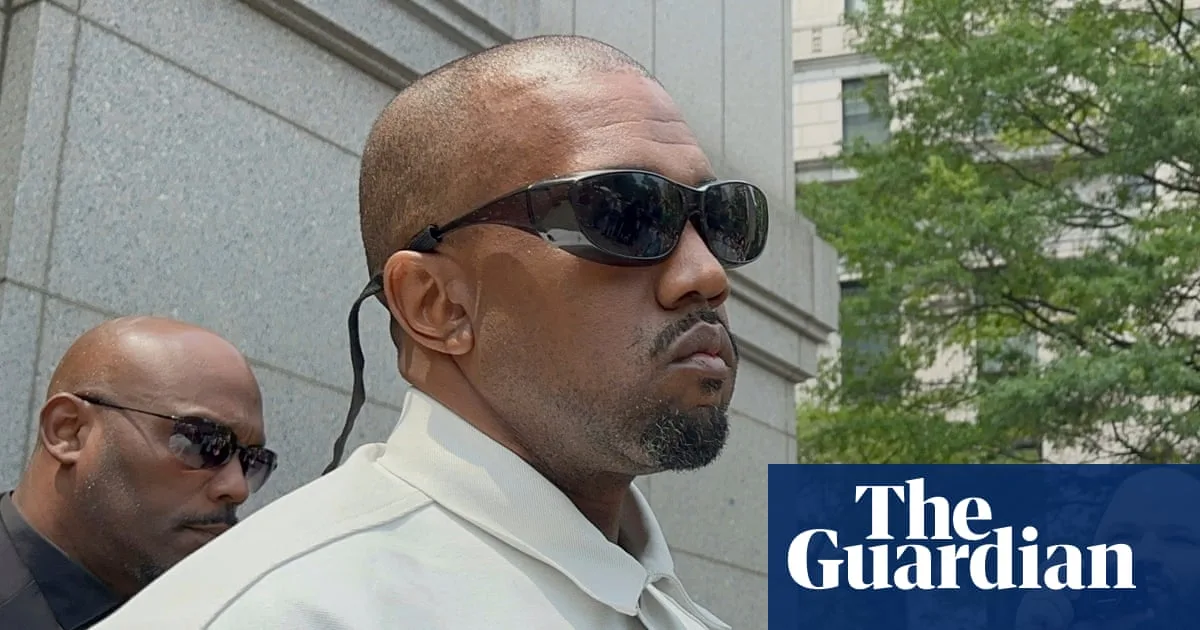
The Jewish Leadership Council has condemned Wireless festival for booking Kanye West, also known as Ye, to headline all three nights of the forthcoming north London event, calling the organisers “deeply irresponsible” amid heightened attacks on the UK Jewish community.
In a press statement on Wednesday 1 April, a spokesperson for London mayor Sadiq Khan said: “We are clear that the past comments and actions of this artist are offensive and wrong, and are simply not reflective of London’s values. This was a decision taken by the festival organizers and not one that City Hall is involved in.”
The rapper has a history of antisemitic behaviour, including releasing a song called Heil Hitler, calling himself a Nazi, associating with the white supremacist commentator Nick Fuentes, and selling T-shirts bearing swastikas. In January, West took out a full-page ad in the Wall Street Journal apologising for his actions, attributing his behaviour to his bipolar-1 disorder.
A spokesperson for the Jewish Leadership Council told the Guardian: “It is deeply irresponsible for Wireless festival to be headlining Kanye West. The UK Jewish community is facing record levels of antisemitism... West has repeatedly used his platform to spread antisemitism and pro-Nazi messaging. His most recent apology must be considered in the context that he went on to sell swastika T-shirts and release a song called Heil Hitler after apologising previously.”
Wireless, a festival run by Festival Republic, part of Live Nation, announced on Monday that West would top the bill each night of the Finsbury Park event, taking what it called “a three-night journey through his most iconic records”. The performances are to be West’s first in the UK in 11 years and follow the release of his 12th album, Bully, last week. The organisers offered no comment when contacted by the Guardian.
In February, the British Jewish charity Community Security Trust reported that antisemitic attacks increased sharply in the UK after a deadly attack on a Manchester synagogue in October. Last week, two men were arrested in connection with a suspected arson attack on four ambulances operated by a north London Jewish charity.




