Irish Leaders Warn Three More Weeks of Iran War Is Unacceptable
Irish premier Micheal Martin and deputy premier Simon Harris have declared that a further two to three weeks of conflict in Iran is too long, reacting sharply to comments from US President Donald Trump. The Taoiseach and Tanaiste emphasised the devastating impact on global energy supplies and rising prices, urging an immediate end to the hostilities.
Global Energy Infrastructure at Risk
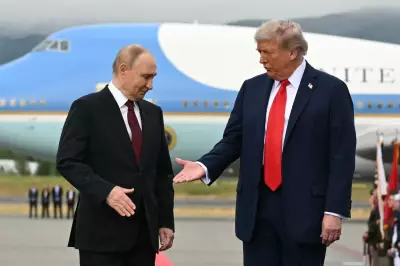
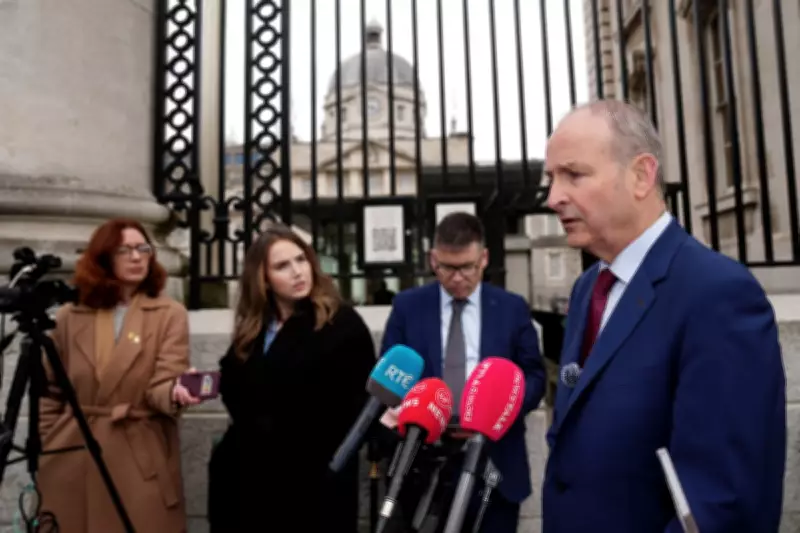
President Trump stated overnight that he could withdraw from the war in two to three weeks without a ceasefire, provided he is confident Iran cannot develop nuclear weapons. However, Mr Harris, who also serves as Ireland's finance minister, highlighted the severe damage already inflicted. Speaking outside Government Buildings, he noted that the war has lasted approximately 33 days, causing significant harm to the world's energy infrastructure.
"Two to three weeks might sound like a relatively short period of time," Mr Harris said, "but the economic and humanitarian impact would be extraordinarily concerning." He warned that the world cannot afford another 21 days for de-escalation, describing the current situation as "the largest energy crisis in the history of the world, bigger than the last three combined."

Calls for Swift De-escalation
Taoiseach Micheal Martin echoed these concerns, stating that two to three weeks is "too long" and that the Irish government is pushing for an early conclusion to the conflict. "There is simply too much volatility around this war," he remarked. "The sooner this ends, I think, the sooner we see de-escalation across the region, then the greater the prospect of restoring some degree of normality, although it will take a considerable degree of time."
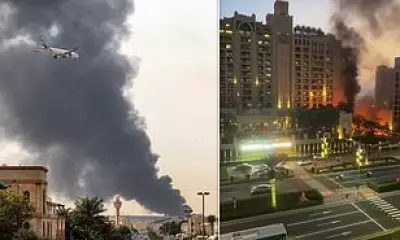
The conflict began on February 28 when the US and Israel initiated bombing campaigns against Iran. In response, Iran effectively blockaded the Strait of Hormuz, a vital trading route, disrupting energy and fuel supplies worldwide. This has led to escalating prices and supply chain issues.
Government Response and Public Advice
When asked about addressing Irish citizens regarding the energy crisis, similar to speeches by British Prime Minister Sir Keir Starmer and Australian Prime Minister Anthony Albanese, Mr Martin indicated that no address is planned for today but everything is under review. Mr Harris added that the European Commission is developing "advice and maybe a toolkit" with sensible ideas for the public, expected next week.
Regarding potential measures like working from home, the Tanaiste explained that the level of government advice would depend on the war's duration. "Every day it goes on, the energy supply crisis worsens," he said, noting that options such as turning off lights on public buildings at night, as seen during the Ukrainian crisis, are currently under review.
Impact on Fuel Prices and Consumer Measures
In response to concerns about rising petrol pump prices despite recent excise duty cuts, Mr Harris defended the government's actions. He asserted that diesel and petrol prices remain lower than before the cuts, suggesting that without these measures, costs would have been even higher. "I do believe they were the right measures to take," he stated.
Mr Martin emphasised that ending the war is the only certain way to halt price increases, describing the situation as "very, very volatile." Both leaders stressed the urgent need for de-escalation to mitigate further economic and humanitarian fallout, underscoring Ireland's stance on the international stage.