
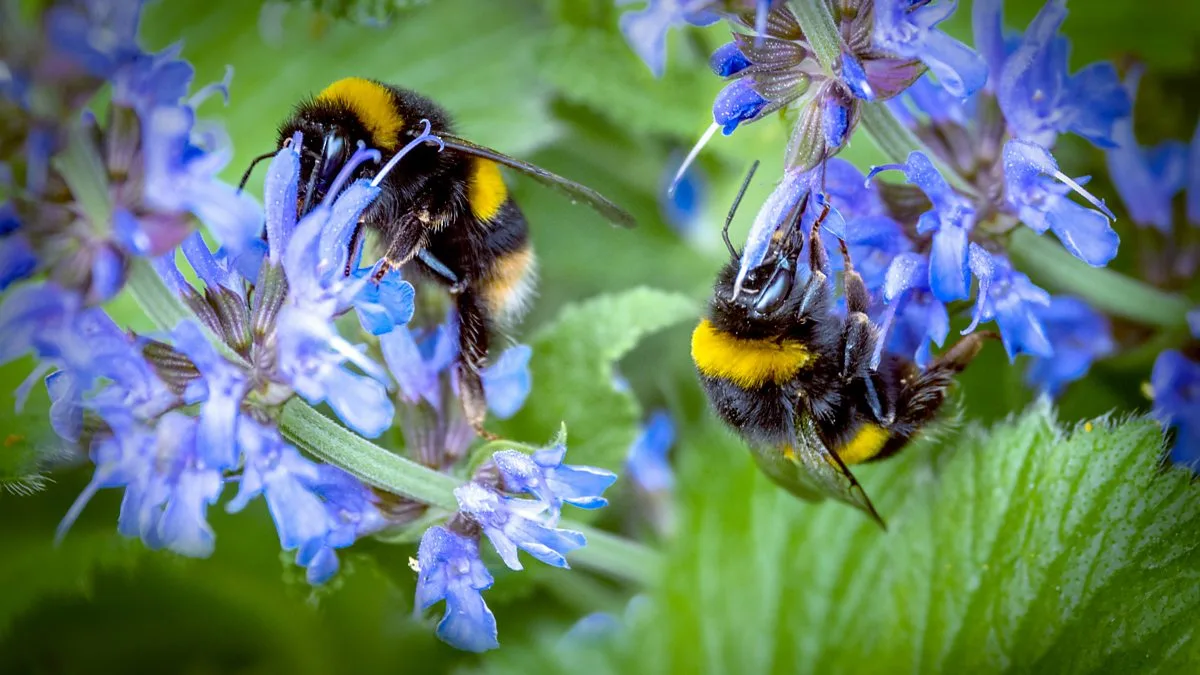
Bees and other wild insects are in decline across the UK, partly due to a lack of the flowers and plants they need to survive. Gardeners can help by making their outdoor spaces more bee-friendly, whether it's a large garden, a backyard, or even a balcony with pots.
Choose nectar-rich plants that bloom throughout the seasons. Winter hellebores, pulmonaria for early spring, summer flowers, and Michaelmas daisies for late autumn provide food for bees when other sources are scarce. Avoid flowers with too many petals that bees cannot access, and consider planting fruit trees like apple, pear, and cherry, which offer both food and nesting sites.
Mow your lawn less often and let grass grow long. Dandelions, daisies, and buttercups are excellent early sources of food. George recommends creating an 'organised chaos' space where wild plants like white and red clover can thrive. Growing your own food also helps: peas, cucumbers, strawberries, and raspberries are simple to grow, while herbs like marjoram, thyme, and lavender are bee magnets.
Provide a safe water source. A shallow dish or pond with floating corks, sticks, or sponges allows bees to drink without drowning. Finally, give bees a place to rest and nest. An upturned terracotta pot filled with dried grass, a rotting log with holes, or a bee hotel can support the 250+ species of UK bees.




