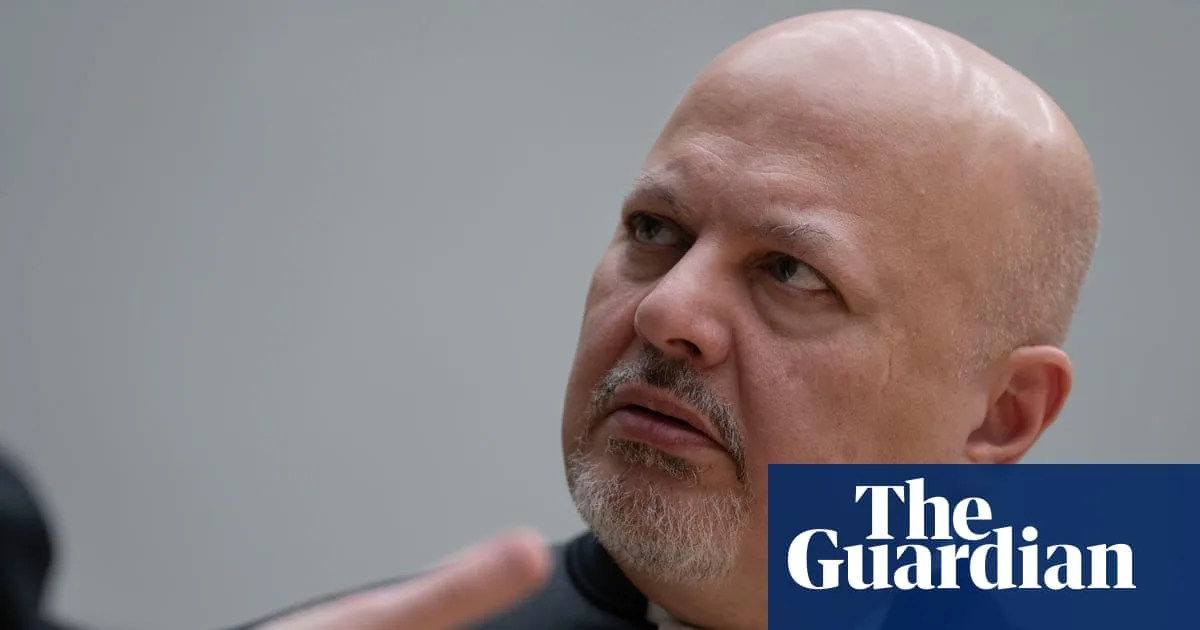
ICC Prosecutor Karim Khan Faces Misconduct Crisis Amid Gaza Warrants
ICC Prosecutor Karim Khan in Misconduct Crisis Over Gaza Warrants

ICC Prosecutor Karim Khan Embroiled in Misconduct Scandal Amid Geopolitical Tensions

Defenders of Karim Khan, the chief prosecutor of the International Criminal Court (ICC), have asserted that allegations of sexual abuse against him constitute a smear campaign. This claim arises in response to his 2024 decision to seek arrest warrants against Israeli Prime Minister Benjamin Netanyahu and former defence minister Yoav Gallant over alleged crimes in Gaza. The accusations have plunged the ICC into its most severe crisis since its establishment 24 years ago, threatening to undermine its mission to prosecute grave international crimes.

Allegations and Denials: A Contentious Workplace Dispute

The sexual abuse allegations against Khan, which he vehemently denies, involve a female lawyer in her late 30s who worked directly under him in the ICC's prosecution division. The woman, a Malaysian Muslim and mother, alleges that Khan engaged in coercive sexual behaviour over an extended period from 2023 to 2024. The misconduct reportedly occurred in hotel rooms during work trips, at his office, and in his home, causing her severe psychological distress. In 2024, a second woman came forward with similar allegations from her time as Khan's intern earlier in his career, which he also denies. Khan's legal team has categorically stated that he never harassed or mistreated anyone, nor misused his authority.

Investigation and Findings: A Lengthy and Complex Process

Following the emergence of allegations in late 2024, the ICC's assembly of state parties (ASP), comprising 125 member countries, commissioned a UN watchdog to conduct a fact-finding investigation. Over a year, the inquiry involved numerous interviews and evidence reviews. A summary of the final report, seen by sources, indicated that evidence suggested Khan engaged in nonconsensual sexual contact with the staffer. The report recommended that the ASP consider appropriate action based on the evidence. However, Khan's lawyers have dismissed the summary as unfair and inaccurate, arguing it does not reflect the full context.

Wide Pickt banner — collaborative shopping lists app for Telegram, phone mockup with grocery list

Judicial Panel's Role and Standard of Proof Debate

After receiving the UN report, the ASP tasked three senior judges from Belgium, Jamaica, and South Africa with providing legal characterisation of the findings. Their 85-page analysis unanimously concluded that the evidence did not establish misconduct under the relevant legal framework, citing insufficient proof beyond a reasonable doubt. This criminal standard has sparked controversy, with critics arguing that a civil standard, such as balance of probabilities, is more appropriate for workplace misconduct cases. The panel acknowledged unresolved factual disputes, stating they could not definitively determine the truth, leading to claims that Khan was not exonerated but rather that the process was inconclusive.

Geopolitical Implications and Smear Campaign Claims

Khan's supporters allege that the abuse claims are part of a witch-hunt to discredit him over the Gaza arrest warrants. The ICC faces significant pressure, including economic sanctions from the Trump administration and a history of targeting by Israeli intelligence agencies. Sources familiar with the UN report noted that ICC officials dismissed suggestions the complainant was an Israeli operative, and no evidence has emerged linking the allegations to a plot. Nonetheless, pro-Israel actors have leaked information, with Netanyahu referencing the case in attacks on Khan, further politicising the situation.

Future Proceedings and Impact on the ICC

A committee of diplomats from 21 ICC member states, known as the ASP bureau, is now overseeing the case. In a recent vote, 15 states favoured an initial determination that Khan may have committed misconduct, while four opposed and two abstained. Khan has nearly a month to respond, after which the bureau will decide whether to proceed. If serious misconduct is found, all 125 member states could vote on his removal in a secret ballot. This scandal has created internal tensions within the ICC's prosecution division, with some fearing it could damage the court's legitimacy and distract from its critical work in global justice.

Pickt after-article banner — collaborative shopping lists app with family illustration

The association of international criminal law prosecutors has warned against filtering the misconduct proceedings through the lens of the Gaza investigation, emphasising that geopolitical framing could harm the ICC's integrity. As the process drags on, the outcome will likely influence perceptions of the court's accountability and effectiveness in addressing international crimes.




