Human Remains Found on Thai Cargo Ship After Hormuz Strait Attack
Human Remains Found on Thai Ship After Hormuz Attack

Human Remains Discovered on Thai Cargo Vessel Following Strait of Hormuz Attack

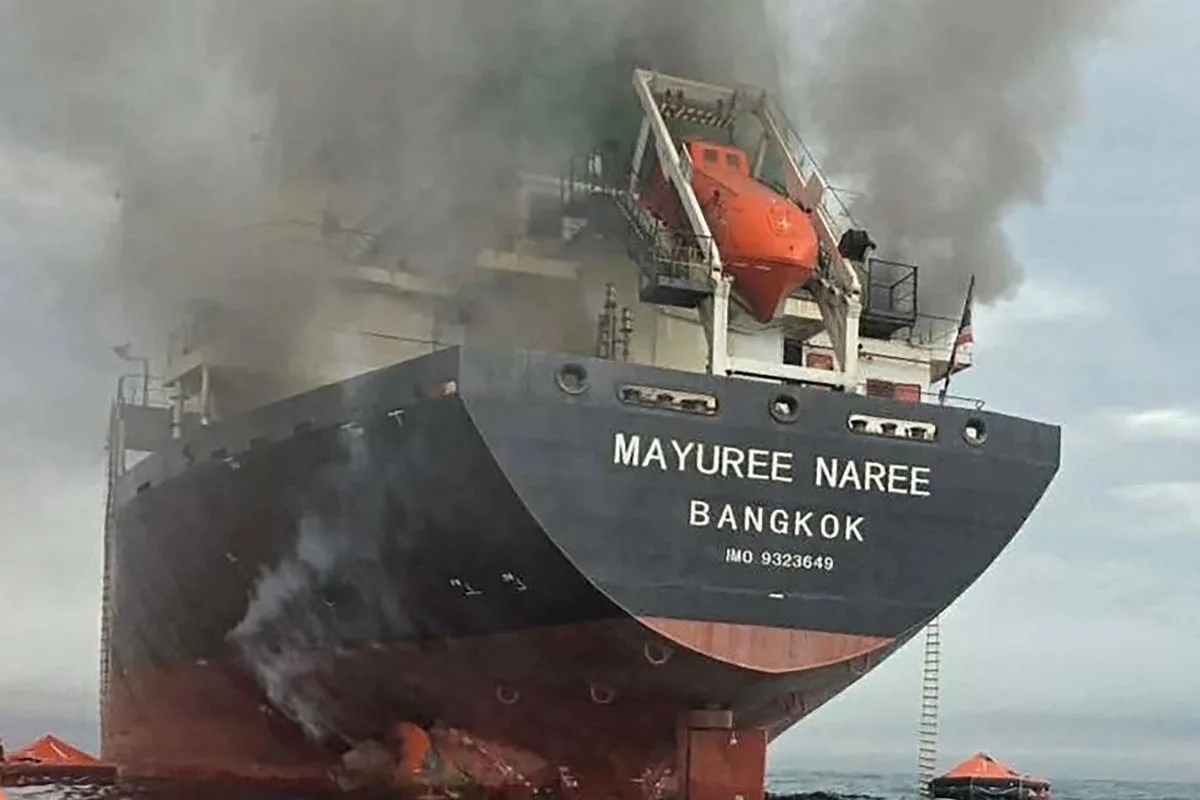
Search teams have located human remains aboard the Thai-flagged bulk carrier Mayuree Naree, which was attacked last month while transiting the critical Strait of Hormuz oil shipping route. The vessel's owner, Precious Shipping, and Thai officials confirmed the grim discovery following a second boarding operation conducted under extremely difficult conditions.

Challenging Search Conditions and Ongoing Investigation

The search operation faced significant obstacles due to severe fire damage and extensive flooding in the ship's engine room and mechanical compartments. Thailand's foreign ministry described the conditions as "challenging" and expressed sadness at the discovery. Authorities have not yet been able to confirm the identities of the deceased or determine exactly how many individuals the remains represent.

Precious Shipping stated that "certain human remains were found within the affected area of the vessel" but emphasized they could not yet provide specific details about the number of victims or their identities. The company has notified the families of three crew members who had been reported missing since the March 11th incident.

Wide Pickt banner — collaborative shopping lists app for Telegram, phone mockup with grocery list

Attack Details and Regional Context

The Mayuree Naree was struck while transiting the Strait of Hormuz on March 11, 2026, sustaining heavy damage to its aft section. The attack triggered a major fire and caused flooding that complicated subsequent rescue and search efforts. A total of 20 Thai crew members were successfully evacuated by the Omani navy in mid-March and have since returned home.

The attack occurred during a period of escalating regional tensions. Iran's Revolutionary Guards claimed responsibility in March, stating they had targeted the Mayuree Naree and a Liberia-flagged vessel because the ships had ignored "warnings." This followed US-Israeli strikes on Iran in late February and subsequent retaliatory actions from Tehran that effectively closed the strategic waterway.

Strategic Importance and International Response

The Strait of Hormuz represents one of the world's most critical oil shipping routes, connecting the Persian Gulf to global maritime lanes. The narrow passage has experienced a concerning increase in attacks involving drones and naval confrontations in recent months, placing commercial vessels and civilian crews at growing risk.

In response to the deteriorating security situation, the United Nations Security Council postponed a planned vote on Friday regarding authorizing the use of "defensive" force to protect shipping in the waterway from further attacks. This delay highlights the complex diplomatic challenges surrounding maritime security in the region.

Financial and Operational Implications

Precious Shipping confirmed that the vessel is covered by war-risk insurance and does not expect the incident to have a material financial impact or disrupt overall operations at this stage. The cargo ship had departed from Khalifa port in the United Arab Emirates and was traveling in ballast—meaning it was not carrying cargo—at the time of the attack.

Thai authorities have pledged to work closely with Thai embassies, Iranian officials, and forensic specialists to establish the identities of those found aboard the damaged vessel. The investigation continues as regional tensions persist in this vital global shipping corridor.

Pickt after-article banner — collaborative shopping lists app with family illustration




