Lindsey Graham Warns Cuba Is 'Next' After Iran Strikes
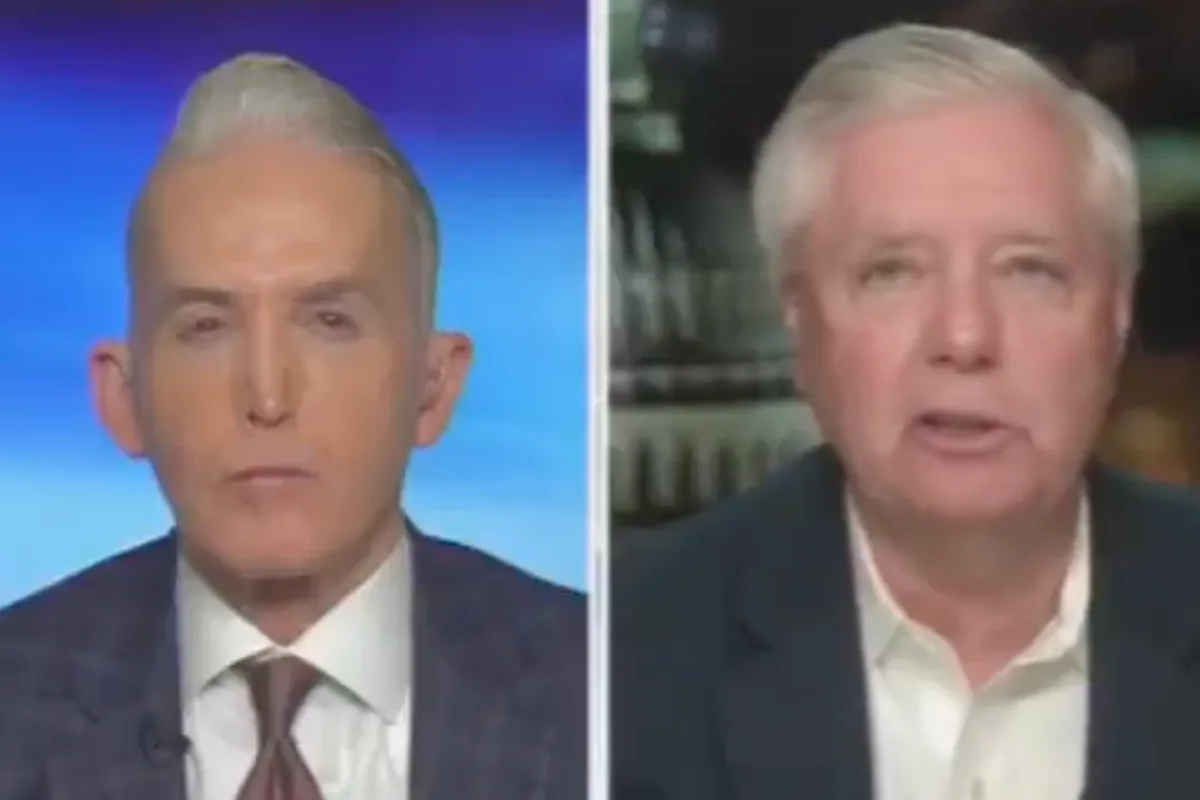
Republican Senator Lindsey Graham has declared that Cuba's communist government is "next" on President Donald Trump's radar following extensive US and Israeli military strikes against Iran. The South Carolina lawmaker issued this stark warning during a televised appearance on Fox News, where he praised Trump's aggressive military campaign against Tehran while setting his sights on Havana.
'Their Days Are Numbered'
"Maduro everybody talked about it - well Donald Trump's got him in jail. Cuba's next - they're gonna fall. This communist dictatorship in Cuba? Their days are numbered," Graham stated emphatically during the interview. The senator framed the escalating confrontation with Iran as part of a broader crackdown on hostile regimes that oppose American interests worldwide.
Graham described the Iranian regime as "the mothership of international terrorism" and claimed it was "about to collapse" following recent military actions. "The captain of the ship, the Ayatollah is stone cold dead and all those people around him that helped him perpetuate this terrorism, they are on the run or dead. Finish the job!" he declared with dramatic intensity.
Praising Trump's Foreign Policy Approach
The senator offered effusive praise for President Trump's foreign policy decisions, particularly highlighting the administration's approach to Venezuela as a precedent for potential action against Cuba. "President Trump is going to finish the job that no other president was willing to do. He took Maduro down," Graham asserted, referring to the Venezuelan leader Nicolas Maduro.
Graham went even further in his admiration, stating: "President Trump I have admired you and I've never admired you more than I do right now." He positioned Trump's foreign policy as superior to even Republican icon Ronald Reagan's approach, claiming "President Trump finished the job that President Reagan failed to do."
"I am a big admirer of Ronald Reagan but I'm here to tell you that Donald Trump in my opinion is the gold standard for Republicans, maybe any president when it comes to foreign policy," Graham concluded, making one of his strongest endorsements yet of the president's international strategy.
Cuba's Historical Context and Current Situation
Graham's remarks immediately drew significant attention because Cuba has long represented a persistent flashpoint in American foreign policy. The island nation remains under a decades-old US trade embargo initially imposed during the Cold War following Fidel Castro's communist revolution. In recent years, Cuba has confronted severe economic turmoil, mass migration events, and sporadic public protests against government policies.
The Biden administration had previously eased some restrictions on Cuba, while President Trump during his first term tightened sanctions significantly and re-designated Cuba as a state sponsor of terrorism. Graham's comments suggest that foreign policy hardliners within the Republican Party view Havana as a potential next front in what they characterize as a comprehensive campaign against authoritarian regimes aligned against American interests globally.
Escalating Conflict with Iran
Graham's warnings about Cuba come as Israeli and American airstrikes have pounded Iranian targets in what President Trump described Monday as potentially a multiweek military campaign. Trump told reporters that operations would likely last "four to five weeks" but added he was prepared "to go far longer than that." Secretary of State Marco Rubio warned lawmakers separately that "The hardest hits are yet to come from the US military."
The US military has deployed B-2 stealth bombers to strike Iranian ballistic missile facilities and announced on Monday it had eliminated eleven Iranian warships. Trump stated that the Iranian navy's headquarters had been "largely destroyed" in the coordinated attacks. The conflict escalated dramatically after Iranian Supreme Leader Ayatollah Ali Khamenei was killed, with Iranian officials vowing immediate retaliation against American and Israeli targets.
Regional Consequences and Casualties
Iran has struck back across the Middle East region, targeting both Israel and Gulf states with missile and drone attacks. Saudi Arabia confirmed that the US Embassy in Riyadh came under drone attack, resulting in minor structural damage. The strategically vital Ras Tanura oil refinery, capable of processing over half a million barrels of crude oil daily, was also targeted though its defensive systems successfully downed the incoming drones.
Several commercial vessels have been attacked in the critical Strait of Hormuz waterway, through which approximately one-fifth of the world's traded oil passes regularly. The Iranian Red Crescent Society reported that the US-Israeli military campaign has killed at least 555 people within Iran. In Israel, authorities confirmed eleven fatalities resulting from Iranian missile strikes, while the US military acknowledged six American service members from the same logistics unit in Kuwait have died during operations.
Political Justifications and Limitations
Graham framed the deaths of American service members as justification for pressing forward with military actions. "We have lost three Americans. God bless those Americans who sacrificed for their country. They died in a noble cause but the thing that could happen to a military unit is to ask them to sacrifice not finish the job," he argued passionately during his television appearance.
Israeli Prime Minister Benjamin Netanyahu explained the timing of the strikes by claiming Iran was rebuilding underground nuclear facilities, though he provided no specific evidence to support this assertion. "We had to take the action now and we did," Netanyahu stated definitively. Meanwhile, Defense Secretary Pete Hegseth sought to define clear limits to the military mission, telling reporters explicitly: "This is not Iraq. This is not endless."
The situation continues to develop rapidly as diplomatic channels remain largely closed, with top Iranian security official Ali Larijani writing on social media platform X: "We will not negotiate with the United States." This hardening of positions suggests further escalation may be inevitable as regional tensions reach their highest point in decades.




