The European Union is pushing forward with a groundbreaking plan to generate approximately £80 billion for Ukraine by leveraging Russian state assets frozen across the bloc. However, crucial negotiations are being held up by significant legal and financial concerns, primarily from Belgium, which holds the lion's share of the immobilised funds.
An Unprecedented Financial Lifeline for Kyiv
European allies of Ukraine, after months of deliberation, are attempting to finalise an agreement that would see frozen Russian assets used to secure a massive loan for the war-torn nation. The European Commission is seeking to find 90 billion euros (around $105 billion) to support Kyiv's military and essential public services, crippled by nearly four years of conflict.
European Commission President Ursula von der Leyen has estimated such a loan could cover two-thirds of Ukraine's funding needs for the next two years. Britain, which holds about £25 billion in frozen Russian assets, is looking to coordinate with EU states on the plan. In total, the West froze around €290 billion (£250 billion) following Russia's full-scale invasion.
Why Belgium Holds the Key to the Deal
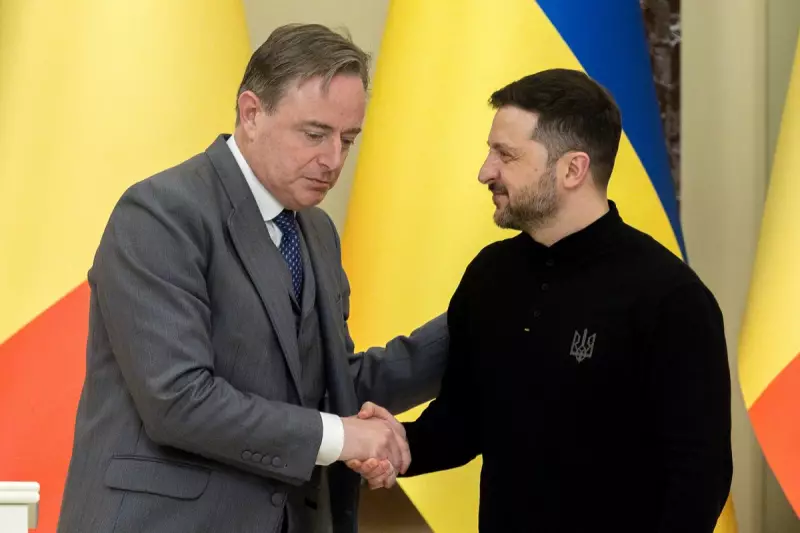
The primary obstacle to the plan is Belgium, where the central securities depository Euroclear holds roughly £160 billion of the targeted assets. Belgian leaders, including Foreign Minister Maxime Prévot and Prime Minister Bart De Wever, have expressed profound anxiety.
Their fear is that if Russia successfully challenges the asset seizure in court, Belgium could be left solely liable to repay the entire colossal sum. "It would mean bankruptcy for Belgium," Prévot has starkly warned. Consequently, Belgium is demanding legally binding guarantees from its EU partners that they would share the financial responsibility, rather than relying on political promises.
This caution has already delayed the timeline; leaders had aimed to agree on a reparations loan by October, but Belgian opposition dashed those hopes. Prime Minister De Wever emphasised his sole responsibility is to Belgian taxpayers, stating he would not be pushed into backing a plan that risks the country's stability.
Russian Threats and European Diplomacy
As Europe debates, Moscow has issued severe warnings. Russia has vowed to strike back with "the harshest reaction" against any such move, which it labels illegal. On Thursday, Russian Foreign Ministry spokeswoman Maria Zakharova confirmed that preparations for a package of countermeasures were already underway.
In a fiery social media post, former Russian President Dmitry Medvedev suggested that stealing frozen assets could be viewed as a "casus belli" or justification for war, threatening that funds might have to be returned "as real reparations paid in kind by Russia’s fallen foes."
Within the EU, there is a push to find a compromise. Germany's Friedrich Merz has come out in favour of equally dividing up the legal responsibility to move the plan forward. The European Commission hopes to broker an agreement between member states by December 18. The urgency is underscored by the continuing conflict on the ground, where Russian advances are weakening Kyiv's negotiating position as peace terms are discussed.
The coming weeks will be a critical test of European unity and legal ingenuity, balancing the urgent need to support Ukraine against the risks of protracted legal battles and severe geopolitical retaliation from the Kremlin.