Easter Ceasefire in Doubt as Russian Strikes Kill One Ahead of Truce
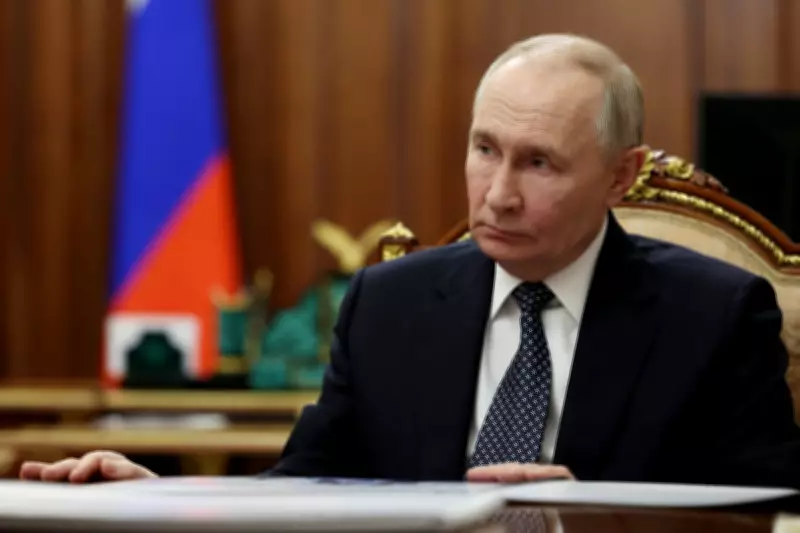
A 32-hour ceasefire agreed by Russian President Vladimir Putin and Ukrainian President Volodymyr Zelensky to mark Orthodox Easter is already in serious doubt after deadly Russian drone strikes overnight killed one civilian and injured fifteen others. The truce, set to begin at 4pm on Saturday and last until midnight on Sunday, was proposed by Ukraine but immediately followed by a new wave of Russian attacks, heightening scepticism about its viability.
Deadly Strikes Undermine Truce Announcement
Russian airstrikes continued relentlessly ahead of the ceasefire start, with one civilian killed at a cafe in Poltava and fourteen people injured across residential areas of Sumy, including an 87-year-old woman and a teenage boy. Officials confirmed the death occurred when a drone struck a shop and cafe in Poltava, wounding another person. These attacks have cast a long shadow over the Kremlin's announcement, which stated, "We proceed on the basis that the Ukrainian side will follow the example of the Russian Federation."
In Kyiv, Ukrainians voiced profound distrust. Dmytro Sova, a 42-year-old actor, told reporters, "Even today, drones and missiles are still flying. If they want a ceasefire, then let them start it." Others recalled that a similar ceasefire last year was marred by repeated violations, with one resident calling the current truce a "fairytale." The lingering violence has fuelled concerns that this ceasefire, like its predecessor, will be short-lived and ineffective.

Broader Context: Peace Talks and Regional Tensions
Amidst the ceasefire uncertainty, Russia's special envoy Kirill Dmitriev is in the United States to meet members of President Donald Trump's administration. Discussions are expected to cover a potential peace deal for Ukraine and enhanced US-Russia economic cooperation, according to officials familiar with the matter. This diplomatic move coincides with reports from Bloomberg News suggesting that Ukraine and Russia are moving towards a potential deal to end the war, though key territorial compromises remain unresolved.
In a related development, Ukrainian forces have publicly acknowledged shooting down Iranian Shahed drones for the US and its allies in the Middle East, marking the first time Kyiv has disclosed such involvement. President Zelensky stated these anti-drone operations are part of a broader effort to help partners counter weapons similar to those used by Russia in Ukraine.
Press Freedom Crackdown and Regional Security Concerns
Separately, a Russian court has ordered the pre-trial detention of Oleg Roldugin, an investigative journalist for the independent newspaper Novaya Gazeta, following his arrest on allegations of personal data misuse. This case is part of a broader crackdown on independent media since Russia's invasion of Ukraine in 2022, with tightened censorship laws and increased pressure on journalists.
Regionally, NATO member Estonia has expressed reluctance to detain Russia's "shadow fleet" vessels in the Baltic Sea, fearing military escalation. Estonia's Navy Commander Ivo Vark cited the high risk of a Russian military response, referencing an incident in May 2025 where Moscow sent a fighter jet into NATO airspace during an Estonian attempt to stop a sanctions-evading oil tanker.
As the Easter ceasefire approaches, the combination of ongoing violence, diplomatic manoeuvres, and regional tensions underscores the fragile nature of peace efforts in the conflict, with many Ukrainians remaining deeply sceptical about any lasting truce.