BRIT Awards Viewing Figures Plummet to Historic Low
The BRIT Awards, Britain's premier music awards ceremony, experienced a significant decline in television viewership on Saturday night, with figures dropping to an all-time low. Hosted by comedian Jack Whitehall at the Co-op Live Arena in Manchester, the event attracted just 2.1 million viewers, marking a stark contrast to its previous success in the coveted Saturday night slot.
Steep Decline in Audience Numbers
When the BRIT Awards moved from a Tuesday to a Saturday in 2023, it was hailed as a strategic success, drawing in 3.3 million viewers. However, by 2026, the show has lost over one million viewers, failing to replicate the impressive ratings of earlier years. In 2024 and 2025, the ceremony averaged around 2.5 million viewers, still 400,000 more than the latest broadcast. This downturn highlights a worrying trend for the organisers, despite the show's reputation as a flagship event in the British music calendar.
Youth Demographic Offers Silver Lining
Amid the disappointing overall figures, there was a positive note for the BRIT Awards. The programme achieved the highest share of viewers aged 16-34 for the day, with 49 per cent of that demographic tuning in—the largest proportion since 2023. This suggests that while general interest may be waning, the event continues to resonate strongly with younger audiences, who are often key drivers of music trends and engagement.
Mixed Reactions to Performances and Tributes
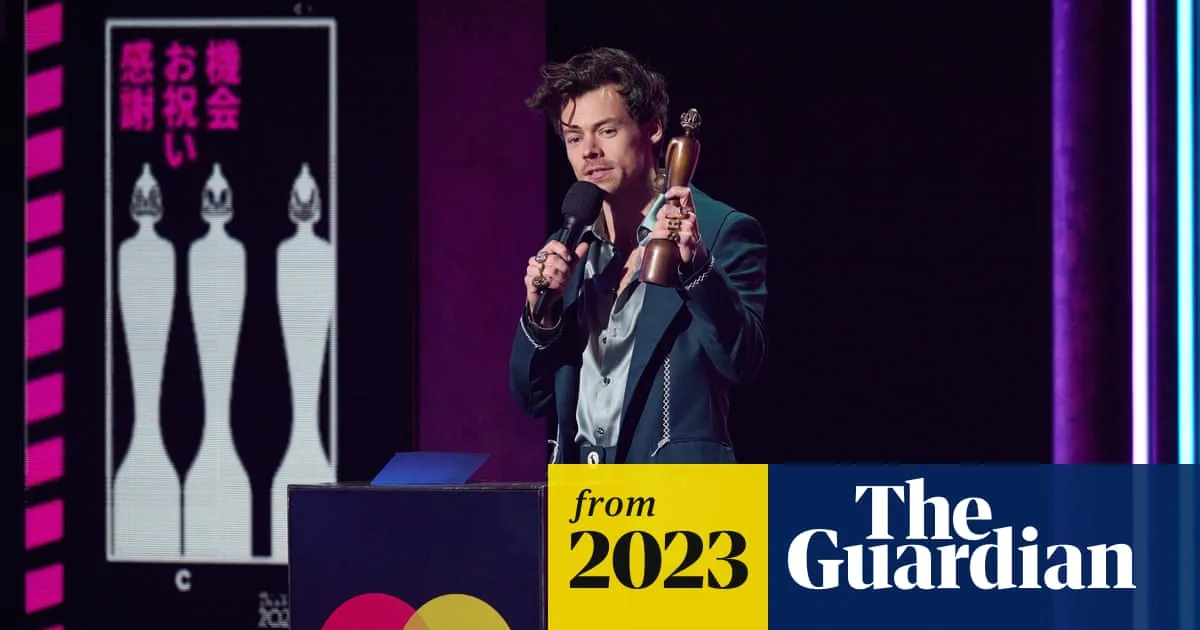
The ceremony featured an action-packed lineup, including Harry Styles' long-awaited return to the stage, alongside performances from Rosalia, Mark Ronson, and Alex Warren. Despite these highlights, some fans expressed dissatisfaction, particularly with Jack Whitehall's hosting style, which was criticised as a tired posh boy shtick.
A particularly contentious moment was the In Memoriam segment, intended to honour music legends lost over the past year. Introduced by Tim Burgess with a tribute to bassist Mani, the segment included a video package featuring names like Ozzy Osbourne, Nicky Ryan, and Roberta Flack. However, viewers at home were unimpressed, flooding social media with complaints about the presentation. Comments ranged from criticism of the font sizes and brief screen time for names to comparisons with more elaborate tributes at other awards shows like the Grammys.
Special Honours and Performances
In a poignant moment, the late Ozzy Osbourne was posthumously awarded the Lifetime Achievement Award, recognising his immense impact on music worldwide. The ceremony closed with an all-star rock tribute led by Robbie Williams, curated by Ozzy's wife Sharon. The performance featured a special arrangement of No More Tears and included musicians such as Zakk Wylde and Robert Trujillo, celebrating Osbourne's legacy.
Host and Venue Details
Jack Whitehall returned to host the BRIT Awards for the sixth time, having previously presented in 2018, 2019, 2020, 2021, and 2025. This marked his first time hosting in Manchester, a city he credits with shaping his early comedy career during his studies at The University of Manchester. In a social media clip, Whitehall expressed excitement about the full circle moment of returning to the city for the historic event at the Co-op Live Arena.
Evolution of the Awards Ceremony
The 2026 BRIT Awards also reflected ongoing changes in the music industry, with 70 per cent of nominations being female or non-binary artists, a shift from previous years that had faced backlash for low female representation. Winners included Olivia Dean for Artist of the Year, Wolf Alice for Group of the Year, and Sam Fender with Olivia Dean for Song of the Year, showcasing a diverse range of talent across genres.
Overall, while the BRIT Awards faced challenges with declining viewership and mixed audience reactions, it continued to celebrate musical achievements and adapt to evolving industry standards, maintaining its role as a key event in British entertainment.




