Pentagon AI Contract Shift Ignites Controversy Over Surveillance and Warfare
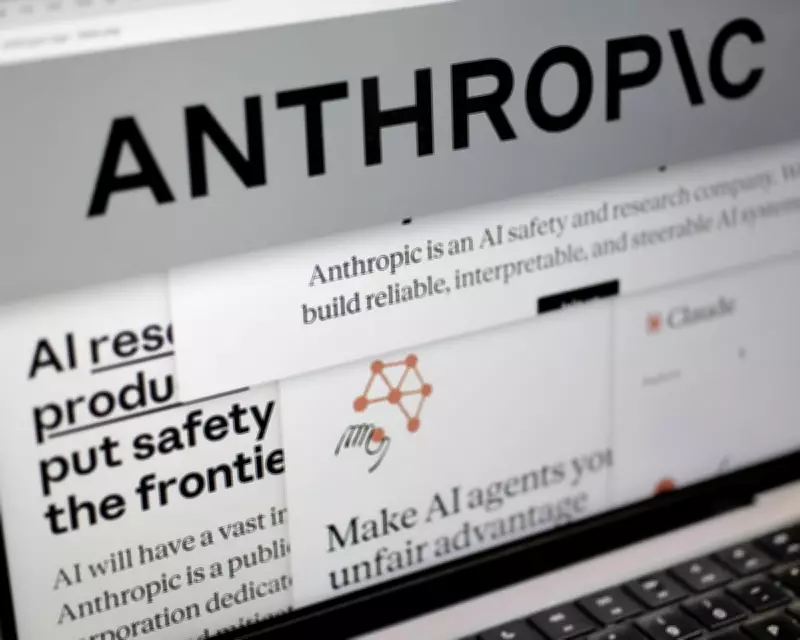
The recent decision by the US Department of Defense to replace Anthropic with OpenAI as a supplier of artificial intelligence technology has ignited a fierce debate over the ethical use of AI in military and surveillance operations. This development follows a week of high-stakes negotiations between government officials and major tech industry leaders, against a backdrop of growing concerns about the existential risks posed by advanced AI systems that the Pentagon deems critical for national security.
Contract Dispute and Ethical Standoffs
At the heart of the controversy is Anthropic's firm stance that its AI models must not be used to facilitate mass surveillance or fully autonomous weapons. These provisions were dismissed as "woke" by Defense Secretary Pete Hegseth, leading to a dramatic escalation. On Friday evening, former President Donald Trump issued an order for federal agencies to discontinue using Anthropic's models, prompting OpenAI to swiftly step in and secure potentially hundreds of millions of dollars in government contracts by agreeing to provide AI for classified systems.
Despite the political theatrics, this outcome may benefit both Anthropic and the Pentagon. In a free-market economy, both entities are entitled to engage in transactions under established federal rules on contracting and acquisitions. However, the Pentagon's retaliatory threats have introduced an unusual element into the equation, raising questions about the balance between corporate ethics and government demands.

Market Dynamics and Branding Strategies
AI models are becoming increasingly commodified, with top-tier offerings from companies like Anthropic, OpenAI, and Google showing minimal performance differences. In such a competitive landscape, branding plays a crucial role. Anthropic and its CEO, Dario Amodei, have positioned themselves as the moral and trustworthy AI provider, a strategy that holds significant market value for consumers and enterprise clients alike. Meanwhile, OpenAI's CEO, Sam Altman, has pledged to uphold safety principles similar to those that led to Anthropic's criticism, a move that risks further politicizing the company in the eyes of buyers.
Publicly opposing the Pentagon may enhance Anthropic's reputation among civil libertarians, potentially outweighing the financial loss from government contracts. Conversely, aligning with these contracts could pose risks for OpenAI. The Pentagon, however, is not short of options, having already deployed numerous open-weight AI models that are publicly available and licensed for government use.
Ethical Posturing and Military Realities
While Amodei's ethical stance is commendable, it is largely seen as posturing. Anthropic entered into a $200 million partnership with the Department of Defense last year and later signed a deal with surveillance firm Palantir in 2024. Amodei has advocated for using AI to achieve military superiority for democracies against autocracies, but this vision assumes a unified commitment to public wellbeing and democratic control, which may not reflect reality.
The Pentagon, as a unique customer, routinely purchases lethal equipment like tanks and artillery without ethical constraints. Its needs inherently involve weapons with increasing automation, making the demand for AI in autonomous warfare a natural progression. This dispute, on the surface, resembles a standard market negotiation, but the Trump administration's involvement has escalated it beyond normal procurement processes.
Government Threats and Legal Implications
The administration has threatened Anthropic with more than just contract losses, designating the company as a "supply-chain risk to national security"—a label previously reserved for foreign entities. This designation could block not only government agencies but also their contractors from working with Anthropic. Additionally, there are threats to invoke the Defense Production Act, which might force Anthropic to remove safety guardrails from its AI models or alter contractual terms.

As legal battles unfold in the coming weeks, the core issue remains: autonomous weapons systems are here to stay. From historical traps to modern drones, technology has always been adapted for military use. AI will inevitably follow this path, raising urgent questions about regulation and oversight.
Call for Democratic Renewal and Legal Action
The key takeaway from this episode is not about which company is more ethical in a capitalist system, but about the urgent need to renovate democratic structures in the United States. If the Department of Defense insists on using AI for mass surveillance or autonomous warfare that the public deems unacceptable, it signals a pressing requirement for new legal restrictions on such military activities. Strengthening legal protections around government procurement is essential to ensure that companies are not coerced into unsafe applications of their products.
The Pentagon must maximize its capabilities within legal bounds, and companies like Anthropic should continue to build consumer trust through ethical posturing. However, relying on either to act solely in the public interest is misguided. This situation underscores the necessity for robust democratic reforms to address the challenges posed by advancing AI technologies in defense and surveillance contexts.