Military Expert Warns of Unsustainable Conflict as Iran Employs Asymmetric Tactics
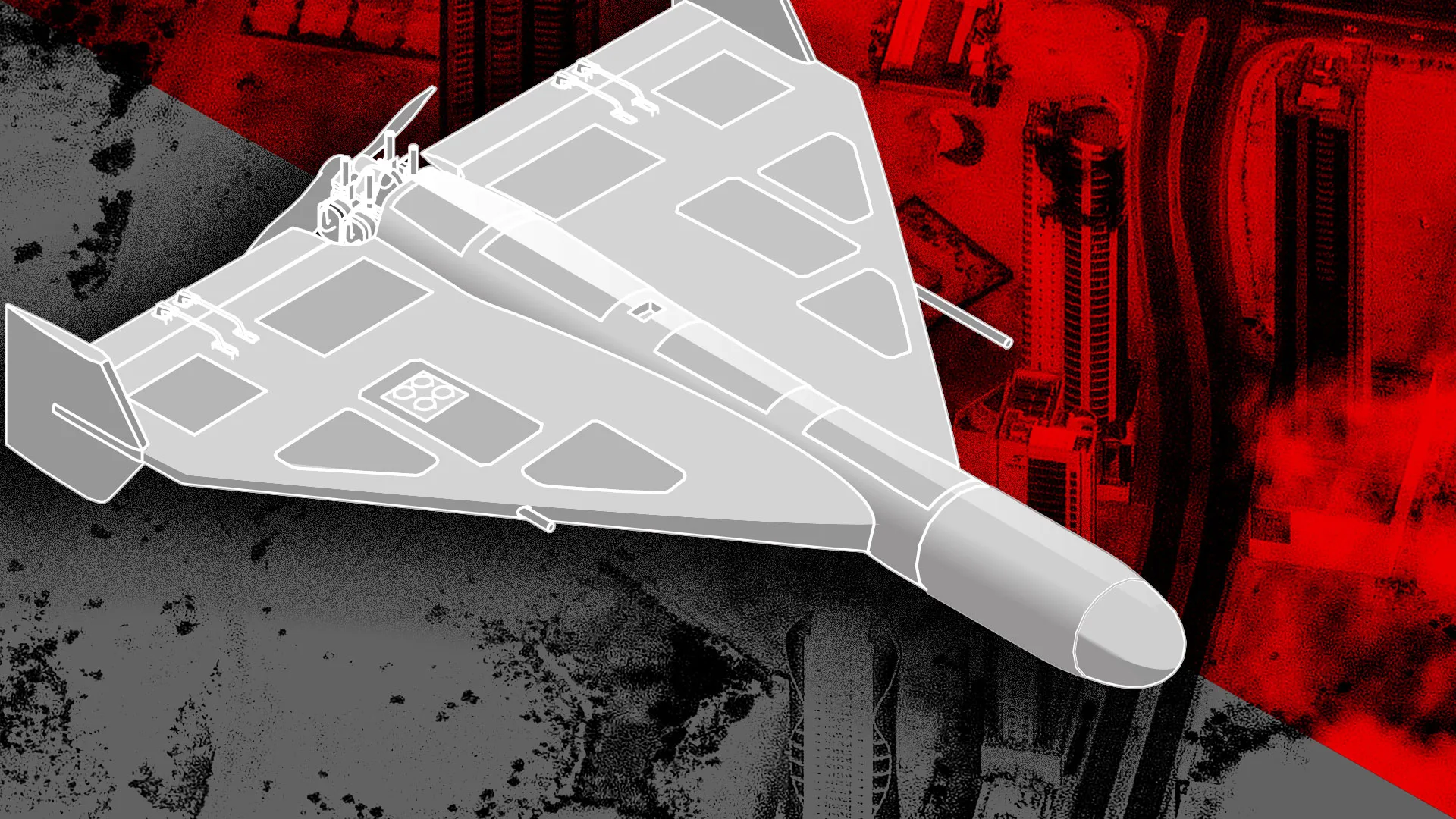
Iran has plunged the world into an unsustainable military confrontation where $1 million air defence missiles are being used to shoot down $1,000 drones, according to a leading military authority. Lord Ricketts, who served as Britain's national security adviser from 2010 to 2012, issued this stark assessment today, highlighting the economic and strategic imbalance at the heart of the escalating Middle East crisis.
Asymmetric Warfare in the Gulf
Lord Ricketts explained that Iran is executing a deliberate asymmetric attack targeting Gulf oil installations and the critical Strait of Hormuz. This strategy stems from Tehran's inability to match the superior airpower of the United States and Israel, forcing it to adopt unconventional methods that draw global powers into the conflict. Predicted and predictable, yet currently unanswerable by Western forces, this approach is expanding the war's scope dangerously.
The former security adviser told Sky News that the curve of the war is still upwards, with no visible plateau or de-escalation toward a ceasefire. He expressed deep concern over Iran's vast drone stocks and potential reserve of sophisticated missiles, warning that the current exchange rate of expensive interceptors against cheap drones is not sustainable for Israel or America in the long term.
Political Fallout and Diplomatic Strains
The conflict, now in its fifth day, dominated Prime Minister's Questions as Sir Keir Starmer faced scrutiny over his decisions. This followed fresh criticism from former US President Donald Trump, who remarked that Sir Keir was not Winston Churchill, referencing the UK's initial refusal to allow American strikes from British bases. Downing Street has maintained that the US remains a staunch ally despite these comments.
Lord Ricketts downplayed the significance of Trump's remarks, calling them a crass and unfair throwaway comment. He noted that the UK is providing more support than any other European nation, with British forces intercepting missiles in the Gulf while Germany receives undue credit. The special relationship, though asymmetrical itself, continues with close military cooperation.
UK Military Response and Defence Spending
In response to the crisis, Sir Keir has authorised the deployment of HMS Dragon, a Type 45 air defence destroyer, to protect Cyprus after RAF Akrotiri was struck by a drone. The vessel will be equipped with Wildcat helicopters carrying Martlet missiles designed for counter-drone operations.
Lord Ricketts praised Sir Keir's handling of the situation but voiced apprehension about how the war will conclude. He urgently called for the government to ramp up defence spending quickly and smartly, learning lessons from Ukraine and the current Middle East conflict about the importance of drones and networked warfare. We are caught short in a world that is not getting any calmer, he emphasised.
Evacuation Efforts and Regional Impact
The Foreign Office has organised a charter flight for British nationals wishing to leave Oman, prioritising the most vulnerable. This is part of broader efforts to assist the 130,000 Britons registered in the Middle East, with officials working on additional evacuation routes.
The conflict began after the US and Israel killed Iran's Supreme Leader Ayatollah Ali Khamenei, triggering retaliatory strikes against Israel, Gulf states, and energy facilities. As the war expands, Lord Ricketts' warning underscores the precarious balance between high-tech defence and low-cost aggression, with global stability hanging in the balance.




