There is a unique atmosphere in Paris when Paris Saint-Germain take to the pitch. It spreads throughout the city, from the brasseries to the bars that line the boulevards and fill the backstreets, seeping into the hearts and minds of supporters who have transformed the Parc des Princes into one of the most raucous cauldrons in European football.
This feeling approaches certainty. It is a blend of pride in the team and an expectation of victory. You could sense it in Barcelona during Pep Guardiola’s tenure, in Madrid during the era of Ronaldo and Benzema, and in Manchester when Sir Alex Ferguson’s side reigned supreme in Europe.
A Team on a Mission
Earlier this month, PSG accelerated their pursuit of back-to-back Champions League triumphs. Luis Enrique’s side were not at their imperious best when they defeated Liverpool at the Parc des Princes in the first leg of the quarter-final. The truth is, they did not need to be. Liverpool are not the team they were last season, but PSG already look more formidable than the squad that swept everything before them in 2024-25, winning the Champions League by dismantling Inter Milan in the final in Munich.
That demolition did not feel like an end; it felt like a beginning. It hinted at the start of a PSG dynasty, a series of successes that could challenge periods of dominance established by giants like Real Madrid and Barcelona.
The Ultimate Test
That feeling will face its sternest test on Tuesday in the French capital, when PSG confront the might of Bayern Munich and the fearsome form of free-scoring England striker Harry Kane in the first leg of the semi-final. PSG cruised to their first Champions League title last season, thumping Inter Milan in the final, and they are gathering pace at the right time again, beating Liverpool 4-0 on aggregate in the quarter-finals to set up a last-four showdown with Bayern Munich.
PSG are the favourites, and they deserve to be. They boast wonderful players—Ousmane Dembele is the current Ballon d’Or holder—but most importantly, they function as a team. They are greater than the sum of their parts, even though those parts are spectacular. Luis Enrique would have it no other way.
The Midfield Maestro
There are many contenders for the title of best midfielder in the world—Pedri, Rodri, and Jude Bellingham are often mentioned—but Vitinha has the strongest claim. He is the hub of PSG, grace under pressure personified. He dictates the tempo, masters possession, delivers metronomic passes, and finds balls that unlock the speed and guile of Dembele, Desire Doue, and Khvicha Kvaratskhelia.
PSG have threats everywhere. That attacking trio is like quicksilver slipping through your hands. But they attack from all directions. Full-backs Achraf Hakimi and Nuno Mendes are the best in the game, capable of playing as wingers while defending. Their pace and energy are bewildering, as they rampage through defences like auxiliary forwards.
A New Era
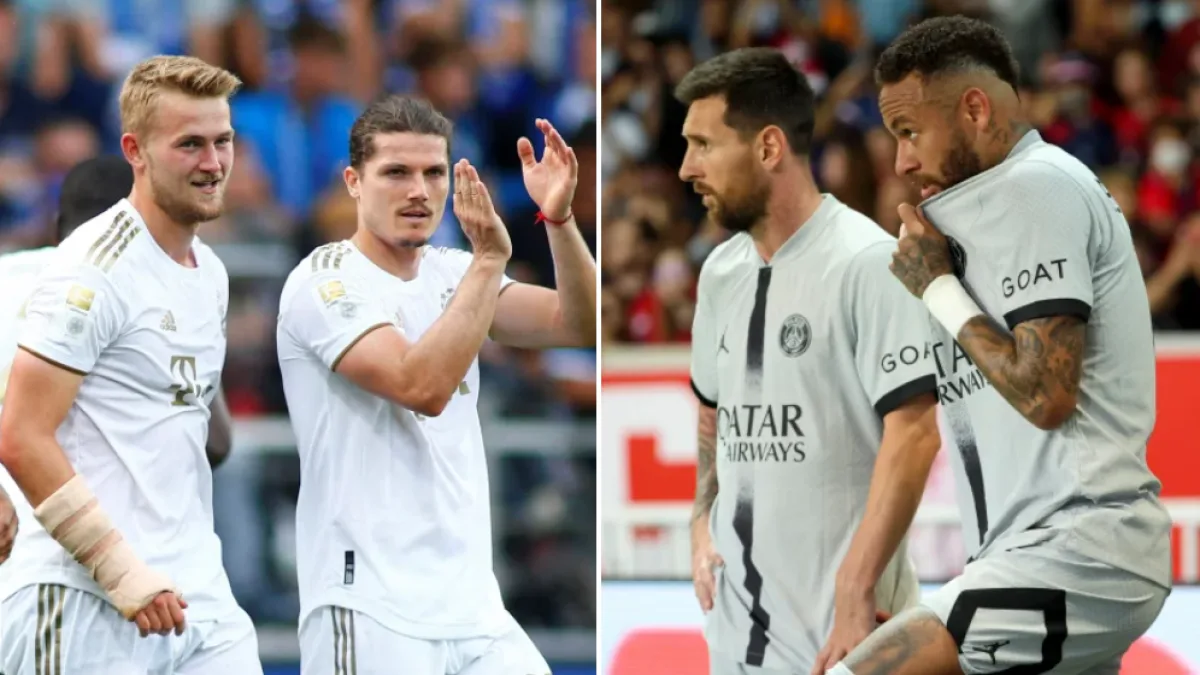
Gone are the days when PSG tried to replicate the flawed Galactico era of Real Madrid. Having a front line of Neymar, Kylian Mbappe, and Lionel Messi was eye-catching but lacked foundation. It did not work. Luis Enrique changed all that, building a team built to last. Once again, PSG look like the favourites to claim the biggest prize in club football. If they overcome Bayern, they will be hot favourites to win the title in Budapest at the end of next month. If they succeed, they will be the first team since Real Madrid eight years ago to achieve back-to-back triumphs, cementing their place in history.
Five Greatest Sides in the Champions League Era
Barcelona 2008-09
The best club side I have ever seen and will ever see. It had everything, particularly a midfield of all-time greats in Sergio Busquets, Xavi, and Andres Iniesta, and the greatest player of all time, Lionel Messi, further forward. If that were not enough, they had one of the greatest coaches, Pep Guardiola, drawing it all together. They were spellbinding. In the final in Rome, Manchester United never stood a chance. It is an unbelievable team when Thierry Henry is an afterthought.
Manchester United 1998-99
Familiarity with Sir Alex Ferguson’s Treble-winning side has made us somewhat blasé about how good they were. Roy Keane, at the centre, is one of the top five players in Premier League history; David Beckham was the best crosser of a ball we have ever seen; Andy Cole and Dwight Yorke formed a brilliant strike partnership. And then there is the Nou Camp, where United, a team that never gave up, produced the greatest final comeback of all time to beat Bayern Munich.
Real Madrid 2016-17
Another team with an eye-wateringly good midfield. Imagine having both Toni Kroos and Luka Modric in the same side, anchored by prime Casemiro, supplying two of the greatest forwards ever in Cristiano Ronaldo and Karim Benzema. This iteration of Madrid was so good that Gareth Bale only made the bench in the final against Juventus, which Madrid won at a canter.
PSG 2024-25
A beautiful team to watch. They took the best sides in the Premier League, supposedly the best league in the world, and laid them all to waste. A blur of movement when attacking, so fluid it sometimes feels like a version of total football. The best of the modern day.
Real Madrid 1999-00
Part of the reason for including this Madrid team is Fernando Redondo’s backheel flick past Henning Berg at Old Trafford in the quarter-finals and pass across goal for a Raul tap-in—one of the best goals I have ever seen live. This was a great side, and Madrid capped off their campaign with a crushing victory over Valencia in the final, where Steve McManaman scored and was man of the match.






