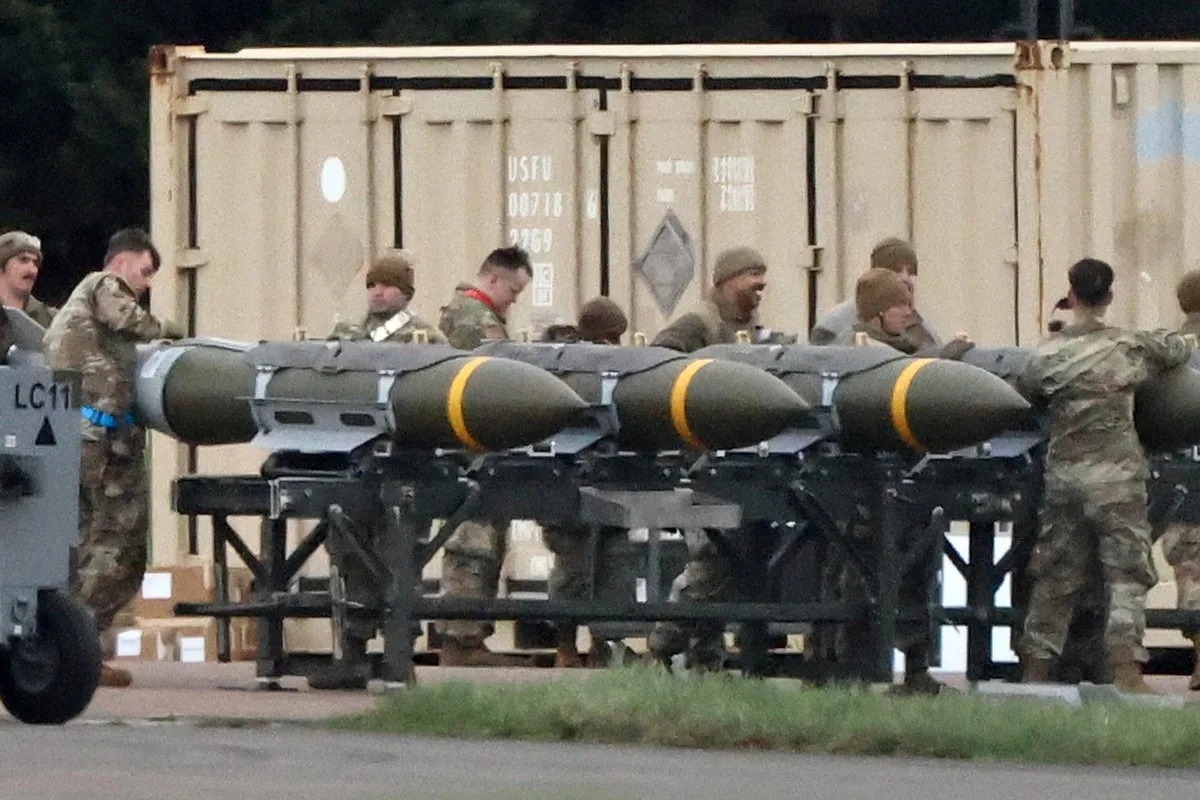
Could Iranian Missiles Strike the UK? Experts Assess Long-Range Capabilities
The United Kingdom has agreed to a United States request to utilize British military bases for defensive strikes against Iranian missile attacks, drawing the nation closer to a rapidly escalating conflict that erupted over the weekend. This development follows a series of airstrikes that have spread across the Middle East, initiated by US and Israeli attacks on Iran on Saturday.
In retaliation, Iran launched strikes on targets in the United Arab Emirates, Qatar, Bahrain, Jordan, and Iraq. Blasts continue to be reported throughout the region as America and Israel maintain their offensive against Iranian targets. The conflict intensified dramatically when Iran's supreme leader, Ali Khamenei, was killed in a targeted attack on Saturday, prompting top Iranian officials to vow they will not negotiate with the United States.
UK's Deliberate Decision Not to Join Initial Strikes
Britain notably did not participate in the joint US airstrikes over the weekend, a decision that US President Donald Trump expressed being very disappointed with. In a Commons statement, Prime Minister Sir Keir Starmer addressed this stance directly.
President Trump has expressed his disagreement with our decision not to get involved in the initial strikes, but it is my duty to judge what is in Britain's national interest, Sir Keir stated to MPs. He emphasized that that decision was deliberate and I stand by it, adding that we all remember the mistakes of Iraq and stressing that any UK actions must always have a lawful basis and a viable thought-through plan.
Safety Concerns for British Citizens Abroad
Approximately 300,000 British nationals are understood to be in countries targeted by Iran, with 102,000 registered with the Foreign Office for emergency updates. Officials are reportedly examining all available options, including the potential for a mass evacuation to ensure their safety.
Expert Analysis: Is the UK Within Iran's Missile Range?
As the UK becomes increasingly involved in the conflict, concerns have naturally arisen about whether Iranian strikes could reach the British mainland. According to security experts, this scenario is very unlikely due to limitations in Iran's offensive capabilities.
Vuk Vuksanović, an associate at the foreign policy think tank LSE IDEAS, explained: There is no evidence that Iran has the capacity to attack the US or UK mainland. Iran, with its missile and drone capability, does have the capacity to strike US and UK military outposts in the wider Middle East, including the Gulf and the Levant.
Intelligence from the US-based Foundation for Defence of Democracies indicates that Iran's most far-reaching warhead is the Khorramshahr 4 missile, which can potentially hit targets from 2,000km to 3,000km away. While this range spans several countries, it falls short of the approximately 5,000km distance to the United Kingdom.
Dr Marion Messmer, director of International Security at Chatham House, corroborated this assessment: From what we know about Iran's missile capabilities, [an attack on the UK is] not possible. Other parts of Europe could be at risk, but the UK is out of range.
Recent Attacks on UK Military Assets
For UK citizens and military personnel in regions closer to the conflict, the threat is more immediate. Iran is understood to have sent two drones to RAF Akrotiri in Cyprus on Monday, both of which were successfully intercepted. However, another drone struck the UK base overnight, resulting in no casualties and only limited damage, according to Cypriot authorities.
This incident underscores the ongoing risks to British military installations in the Middle East, even as experts maintain that the UK homeland remains beyond Iran's current missile reach. The situation continues to evolve, with the UK government balancing defensive commitments with strategic caution.




