Flight Cancellations Amid Rising Jet Fuel Costs: What to Know
Flight Cancellations Amid Rising Jet Fuel Costs: Guide

Airlines around the world are canceling flights as the war in the Middle East squeezes global jet fuel supplies and pushes up prices. For travelers, this means navigating a confusing web of passenger protections that vary widely depending on where they are flying. The timing is amplifying the impact, with summer travel demand ramping up and major events such as the World Cup expected to put additional strain on airports, according to Eric Napoli, chief legal officer at AirHelp.

Are These Cancellations Happening at the Last Minute?

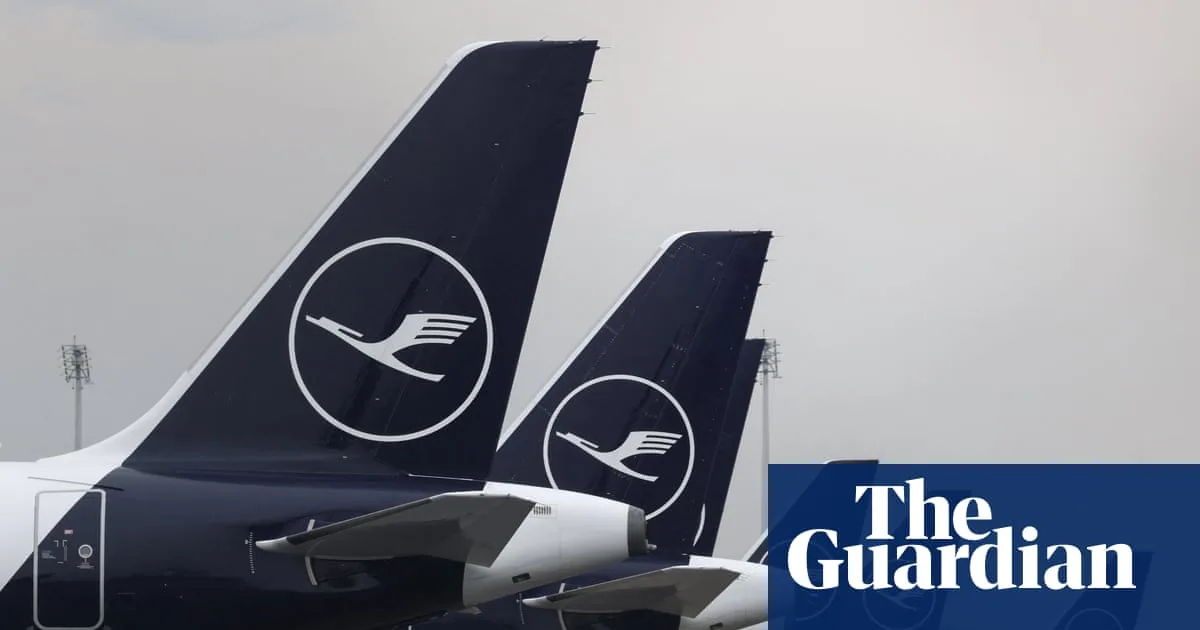
In most cases, no. Fuel-related cuts are often made days or weeks in advance. Lufthansa Group, for example, is cutting 20,000 short-haul flights across its network through October. This gives travelers more time to adjust plans than they would typically get with weather-related disruptions, which tend to trigger last-minute cancellations.

My Flight Was Canceled. What Should I Do First?

Check your airline’s app or website immediately for rebooking options. For U.S. carriers, this is often the fastest way to secure a new seat, according to Tyler Hosford, security director at International SOS. Non-U.S. carriers tend to have fewer digital tools, so it is worth trying multiple channels, including customer service lines or airport desks.

Wide Pickt banner — collaborative shopping lists app for Telegram, phone mockup with grocery list

Do I Have the Right to a Refund or a New Flight?

In most cases, yes. Airlines typically offer either a refund or rebooking on the next available flight. In the U.S., if your flight is canceled and you choose not to travel, the airline must refund you, regardless of the reason. Airlines may offer travel credits, but you are entitled to a full refund for airfare and any extras you did not use, such as baggage fees or seat upgrades.

Are Passenger Rights the Same Everywhere?

No. Protections vary widely by region, from the Montreal Convention governing airline liability across more than 140 countries to specific consumer protection laws in the U.S., Canada, the European Union, the United Kingdom, Turkey, and Brazil. Europe has some of the strongest protections, including compensation in certain cases, applying to any flight departing from an EU airport or flying on an EU-based carrier into the EU. The U.K. maintains a similar framework. The U.S. and Canada offer more limited protections, while policies vary widely across Asia. Experts recommend searching the name of the country you are departing from and “passenger rights” before your trip.

What Protections Apply?

It depends. Airlines may cite fuel shortages or rising costs as reasons for cancellations. Whether you are entitled to compensation often comes down to whether the disruption is considered within the airline’s control under local laws. Regardless of the cause, airlines in the European Union still have a “duty of care,” meaning they must provide necessary support, including rebooking. Fuel shortages do not automatically waive passenger rights under EU laws, Napoli said.

How Can I Prepare Before a Trip to Avoid Headaches?

Sign up for flight alerts and book directly with the airline when possible, as it is easier to resolve issues directly than through a third-party site. Knowing your options ahead of time and having a backup plan can make a significant difference if plans change.

What Do I Need for a Claim or Complaint?

Documentation is critical. Save boarding passes, receipts, cancellation notices, and any communication from the airline. Take screenshots of app or website updates and jot down key details from phone calls. Napoli also recommends asking the airline for written confirmation of a flight disruption, including the stated reason.

Should I Accept the First Alternative Flight the Airline Offers?

Not necessarily. Experts say one of the most common mistakes travelers make is taking the first option without checking alternatives. Look at other flights, routes, or even nearby airports because you may find a faster or more convenient way to reach your destination.

Can I Book a Different Flight Myself?

Yes, but proceed carefully. If the airline’s rebooking option does not meet your needs, you can look for alternatives and request a refund instead. Be aware you may need to pay any fare difference up front and might not be reimbursed later.

Pickt after-article banner — collaborative shopping lists app with family illustration

Any Other Tips to Avoid Getting Stuck?

  • Book flights earlier in the day so you have more rebooking options if something goes wrong.
  • Set up flight alerts through tracking apps such as Flighty to get early notice of cancellations or delays.
  • Consider nearby airports as backup options.
  • Be kind. Airline agents may be more willing to help when interactions remain calm and respectful.

Ultimately, the shortage is squeezing the entire system, from travelers to airlines, and is something to watch as the industry looks for any relief ahead of the summer travel season, Napoli said.