Councils Face Complex Process Renaming Streets Linked to Prince Andrew
Councils Rename Streets Linked to Prince Andrew

The Administrative Challenge of Renaming Royal Streets

Local authorities across the United Kingdom are confronting a significant administrative challenge as they respond to public pressure to rename streets honouring Prince Andrew. The movement gained momentum following the formal stripping of his royal styles and titles amid ongoing controversy surrounding sexual assault allegations, which he has consistently denied.

Northern Ireland Leads the Way

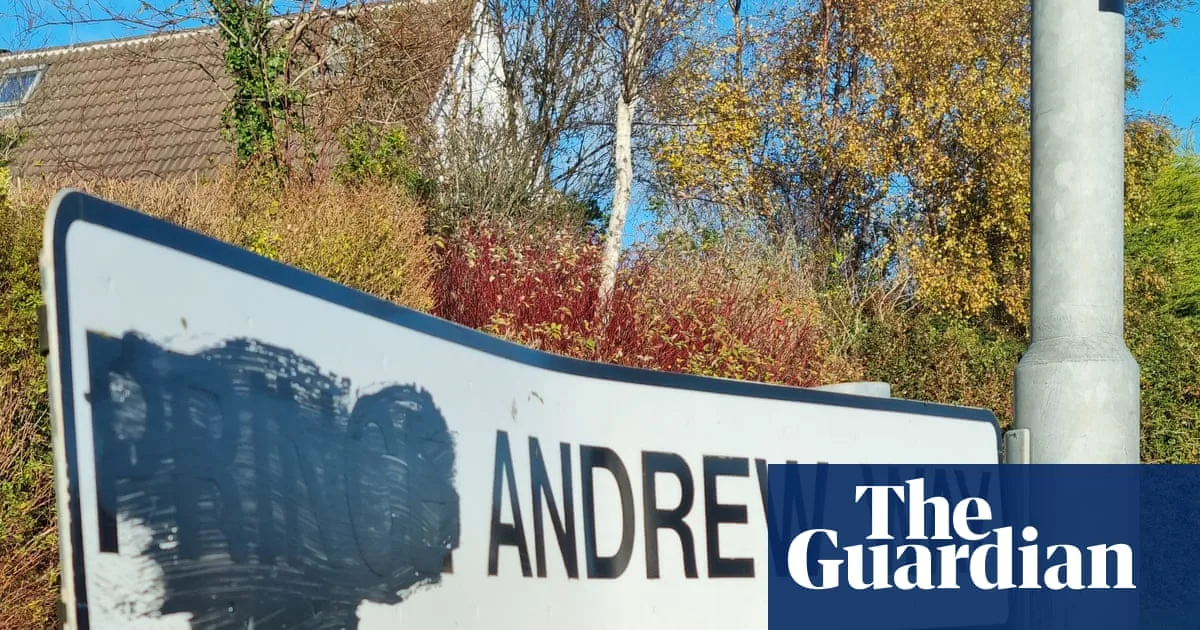
Mid and East Antrim council has taken decisive action by voting to rename Prince Andrew Way in Carrickfergus. This particular street was originally named to commemorate Andrew Mountbatten-Windsor's 1986 marriage to Sarah Ferguson. One councillor described the motion as "sad but necessary," reflecting the difficult decision facing many local authorities. The council has now initiated a public consultation process to determine the road's new identity.

The issue extends far beyond Northern Ireland. From Broadstairs to Birmingham, numerous roads, avenues, terraces, lanes, crescents, closes, drives and ways bearing the former prince's name are causing discomfort for residents. In Maidenhead, Berkshire, the situation is particularly pronounced with both Prince Andrew Road and Prince Andrew Close creating what some residents describe as "surface-level embarrassment," "smirks" and "raised eyebrows" when they provide their addresses.

The Practical Complications of Renaming

The Royal Borough of Windsor and Maidenhead has recently modified its regulations to facilitate potential name changes, now requiring agreement from two-thirds of residents rather than unanimous consent. However, the council acknowledges there is no fixed timeline for implementing any changes, as they continue to work through the process internally.

The practical implications of street renaming are extensive and costly. Residents face the burden of updating numerous official documents including bank accounts, credit cards, driving licences, utility bills, property deeds and even pet microchips. Businesses must redesign letterheads and cards, while councils must coordinate with emergency services and Royal Mail to prevent duplication and confusion.

The financial impact can be substantial, as demonstrated by Haringey council's experience renaming Black Boy Lane in Tottenham, north London. The process took three years and cost at least £50,000 in reimbursing 168 properties for address change expenses. Despite being renamed La Rose Lane in honour of local activist John La Rose, some residents protested by displaying original street names in windows and creating graffiti murals.

Legal Framework and Local Support

According to Richard Harwood KC, an expert in planning law, the current legal framework under the Levelling Up and Regeneration Act 2023 requires local authorities to demonstrate "sufficient local support" for name changes. However, the lack of secondary legislation means the definition of "sufficient local support" remains unclear, creating what Harwood describes as a "muddy" situation for councils.

The GeoPlace best-practice manual explicitly discourages naming streets after living individuals, precisely to avoid situations like the current controversy surrounding Prince Andrew. This guidance reflects the complex and costly nature of subsequent name changes.

Other locations facing similar decisions include Cambridge, Hitchin, Telford, Newport, Enniskillen and Dungannon, all of which have roads bearing the former prince's name and royal prefix. Interestingly, a road in Norwich is disputed, with local councillors claiming it actually honours Prince Philip's father, Prince Andrew of Greece.

Meanwhile, the removal of plaques commemorating Prince Andrew appears more straightforward. In the Falkland Islands, four plaques unveiled by the former prince, who served in the 1982 conflict, have reportedly been removed from locations including a school and hospital. The Ministry of Defence confirmed that a plaque marking the opening of RAF Mount Pleasant airbase had also been removed, though this occurred during renovations prior to the Epstein allegations and was never reinstalled.

As councils navigate this complex landscape, they must balance public sentiment against practical considerations and costs, all while ensuring any changes genuinely reflect community wishes and historical accuracy.