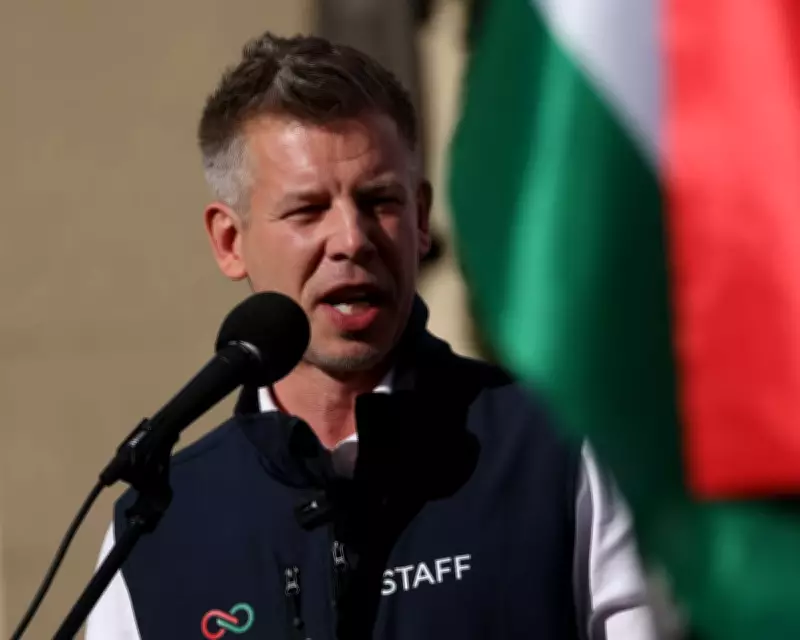
Hungarian Prime Minister Viktor Orbán has maintained a consistent campaign script, repeating sharp attack lines against Ukraine during a recent election rally in Székesfehérvar. Speaking to supporters, Orbán framed the upcoming vote as a critical battle for national sovereignty and financial security.
Campaign Intensity and Electoral Goals
Orbán drew a vivid analogy to describe the effort required for his Fidesz party to secure victory. "I once asked Schwarzenegger how many push-ups you have to do for it to count. He said it starts to count when it hurts. It’s the same with this campaign," he remarked, emphasising the strenuous nature of the political contest. He asserted that Fidesz needs three million votes to win, a target he believes hinges significantly on support from Hungarians living abroad.
"We can lose a lot in this election, but they stand to lose even more. They need a strong motherland," Orbán declared, rallying his base with nationalist rhetoric. Reflecting on campaign momentum, he noted confidence among attendees at a previous event in Debrecen, where he sensed optimism about Fidesz's prospects.

Repeated Criticism of Ukraine
In a notable escalation, Orbán reiterated his criticism of Ukraine, directing a pointed remark at Tisza supporters. "Stand on one leg until the Ukrainians get back the money they believe Russia owes them," he quipped, mocking calls for financial assistance to Kyiv. He alleged that if the opposition were to win the election, they would divert Hungarian funds to Ukraine, portraying this as a threat to national interests.
Orbán also repeated his attacks on Ukrainian President Volodymyr Zelenskyy, accusing him of attempting to sow chaos in Hungary to install a pro-Ukrainian government. This allegation underscores Orbán's broader narrative that external forces, particularly from Ukraine, seek to undermine Hungary's political stability and sovereignty.
Broader Implications for Hungarian Politics
The prime minister's comments highlight the central role of foreign policy, especially relations with Ukraine, in Hungary's domestic electoral landscape. By framing the opposition as aligned with Ukrainian interests, Orbán aims to galvanise nationalist sentiment and consolidate his voter base. This strategy reflects ongoing tensions between Hungary and Ukraine, particularly over issues like financial aid and regional security.
As the campaign intensifies, Orbán's repeated attacks on Ukraine serve to reinforce his image as a defender of Hungarian autonomy against perceived external pressures. The rhetoric not only shapes public discourse but also sets the stage for potential post-election foreign policy directions, depending on the outcome of the vote.