

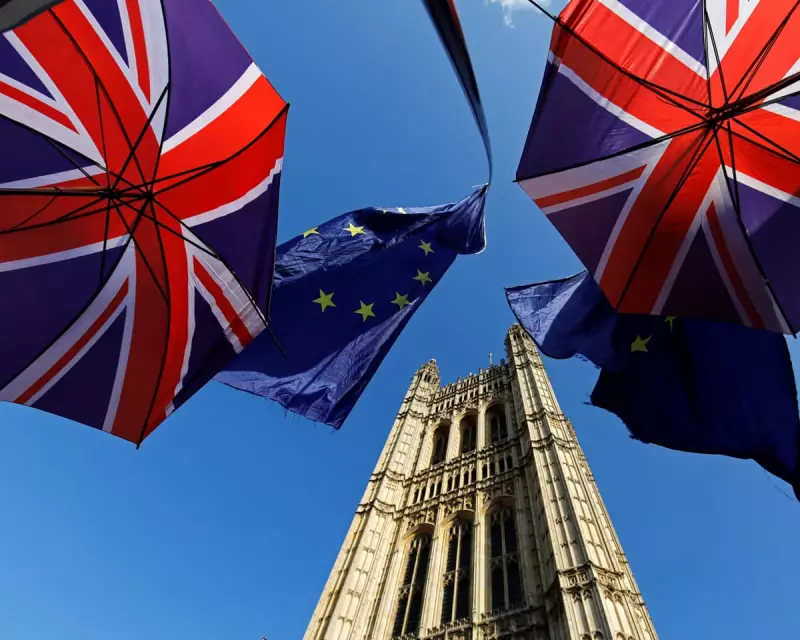
Brexit has fundamentally failed to deliver on its core promises of taking back control and resolving Britain's immigration crisis, according to prominent academic analysis. The landmark decision, once championed as the solution to the UK's challenges, has instead exacerbated both economic and border control issues.
The Broken Promises
Professor Robert Gildea, emeritus professor of modern history at Oxford University, states that Brexit has failed in both its primary objectives. The vision of controlling borders has seen Polish plumbers replaced by Afghan asylum seekers in hotels, with the crucial mechanism to return migrants to EU nations now lost. Meanwhile, the economic picture remains bleak with trade, investment and labour opportunities severely constrained.
The Labour government faces significant political pressure, reportedly terrified of reopening the Brexit debate for fear of losing votes to Reform UK. However, Professor Gildea insists that responsibility for these failures must be placed squarely at the door of Nigel Farage and other Brexit architects.

European Solutions vs British Isolation
While the UK struggles with migration challenges, the European Union has established a robust, collective approach through its 2024 pact on migration and asylum. Britain's solitary position leaves the nation as effective at stopping small boat crossings as King Canute was at turning back the waves - a stark comparison highlighting the impracticality of going it alone.
Public opinion appears to be shifting dramatically. A recent poll indicates that 57% of British voters would now support returning to the European Union, suggesting significant buyer's remorse six years after the historic referendum.
Call for Accountability and Action
Professor Gildea proposes two concrete solutions: a comprehensive public inquiry into Brexit management and an impartial BBC series marking the 10th anniversary of the referendum vote. These initiatives, he argues, would set the record straight about Brexit's consequences and potentially pave the way for political courage to rejoin the EU.
In separate correspondence, Rachel Foggitt from Brighton agrees that Brexit caused substantial economic damage but challenges the narrative that Britain lacks resources for public services. As the sixth-richest nation globally, she argues the money exists but remains concentrated among wealthy individuals and corporations paying minimal tax. Her solution involves fairer taxation of those who wouldn't notice losing "a few of their millions" rather than burdening the most vulnerable.
The growing consensus suggests that confronting Brexit's realities may be essential for Britain's future prosperity and effective governance.






