Winter Skincare Advice from Dermatologists to Protect Your Skin
As temperatures drop and humidity levels decrease during the winter months, dermatologists are emphasising the importance of adapting skincare routines to combat common issues like dryness, redness, and irritation. The cold weather can strip the skin of its natural oils, leading to discomfort and potential damage if not properly managed.
Essential Tips for Maintaining Healthy Skin in Winter
Experts recommend several key strategies to keep skin hydrated and protected. Firstly, using a rich, emollient moisturiser is crucial to lock in moisture and repair the skin barrier. Look for products containing ingredients like hyaluronic acid, ceramides, or glycerin, which help retain water and soothe dryness.
Additionally, gentle cleansing is advised to avoid further stripping the skin. Opt for mild, fragrance-free cleansers that do not contain harsh chemicals or alcohol. Dermatologists also suggest limiting hot showers and baths, as high temperatures can exacerbate dryness by removing essential oils from the skin.

Addressing Specific Winter Skin Concerns
For those experiencing more severe conditions such as eczema or psoriasis, winter can be particularly challenging. Dermatologists advise using prescription creams or over-the-counter treatments as directed, and avoiding triggers like wool clothing that may cause irritation. Regular application of thick ointments or balms can provide relief and prevent flare-ups.
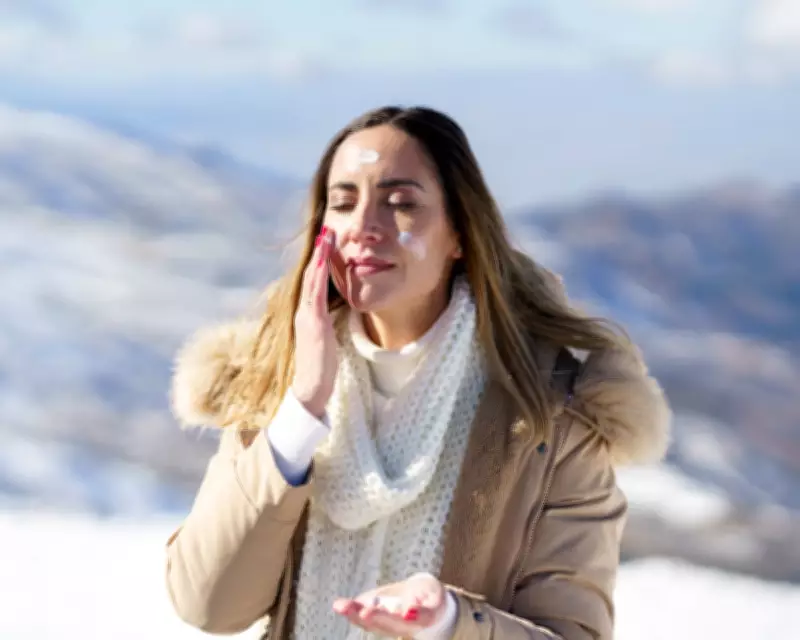
Sun protection remains vital even in winter, as UV rays can still cause damage, especially when reflected off snow. Applying a broad-spectrum sunscreen with at least SPF 30 daily is recommended to shield the skin from harmful exposure.
Lifestyle Adjustments for Better Skin Health
Beyond topical treatments, lifestyle factors play a significant role. Staying hydrated by drinking plenty of water helps maintain skin moisture from within. Using a humidifier indoors can counteract dry air from heating systems, reducing the risk of skin dehydration.
Dermatologists also highlight the importance of a balanced diet rich in omega-3 fatty acids and antioxidants, which support skin health. Foods like salmon, nuts, and leafy greens can contribute to a more resilient complexion during the colder seasons.
By following these expert recommendations, individuals can effectively manage winter skincare challenges and maintain healthy, comfortable skin throughout the season.