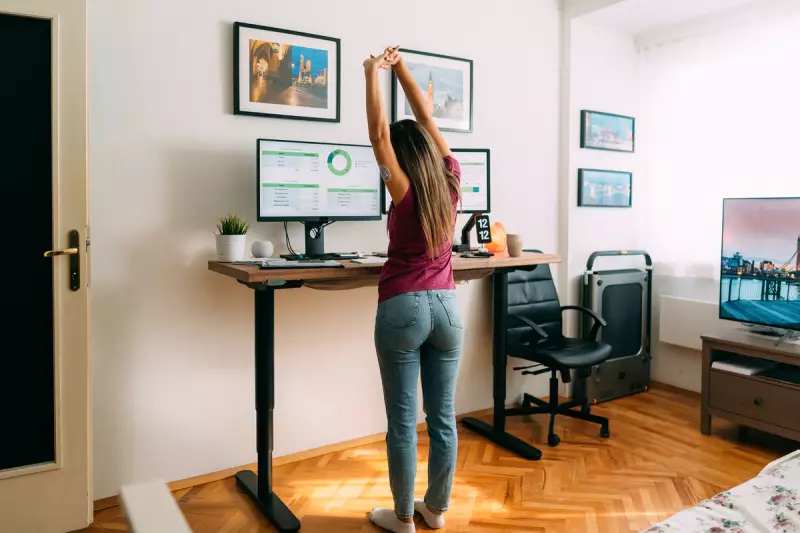
With millions now regularly working from home, the health risks associated with prolonged sitting have come into sharp focus. Recent data suggests that nearly half of all Australian workers, particularly in major cities like Sydney and Melbourne, spend at least some of their time in home-based roles, a trend mirrored in the UK. This shift makes it alarmingly easy to remain sedentary from desk to sofa, missing out on the incidental activity of a traditional office commute.
The Compelling Case for Movement
The health benefits of walking are well-established. Studies consistently show that increasing weekly walking can lead to significant improvements in key health markers, including blood pressure and glucose tolerance. Modern guidance has moved away from recommending lengthy, structured exercise sessions. The World Health Organization now champions the philosophy that "every move counts", regardless of duration.
Recent experiments support this, finding that short, frequent walking breaks to interrupt sitting can be more beneficial than a single continuous bout of activity. The evidence points to a daily target of around 7,000 steps for disease prevention, a goal that can be accumulated through incidental movement spread across the day.

What the Research Says About Treadmill Desks
Specific studies on office workers using treadmill desks, though limited in number, have shown promising results. This research indicates that using a walking pad or treadmill desk can lead to positive changes in body composition and metabolic health.
The findings include measurable benefits in fat loss, cholesterol levels, blood pressure, and overall metabolism. One investigation found sedentary workers increased their daily steps by between 1,600 and 4,500 when using a treadmill desk, with the most pronounced weight loss observed in individuals with obesity. Another small study of overweight physicians recorded a 1.9% reduction in body fat after adopting the practice.
Practical Considerations and Alternatives
A common concern is whether walking impairs work performance. Interestingly, one study found no significant impact on cognitive abilities when walking at a self-selected pace compared to sitting. However, tasks requiring precise mouse control can be more challenging. For those struggling to type, voice-to-text software, often built into operating systems, presents a viable solution.
Financially, entry-level walking pads start from around A$180-200, with more advanced treadmills costing $1,000 or more, often requiring the additional investment of a standing desk. Before purchasing, it's worth experimenting with a simpler, cost-free approach: committing to regular, scheduled walking breaks away from your desk. For those who are highly sedentary, even these small changes can yield a real and meaningful difference to long-term health.