In a world of constant demands and digital noise, what is truly worth our time? Nine prominent writers, chefs, comedians, and athletes have shared the habits, pressures, and products they have consciously decided to quit, offering a blueprint for a more intentional and liberated life.
Reclaiming Attention and Wellbeing
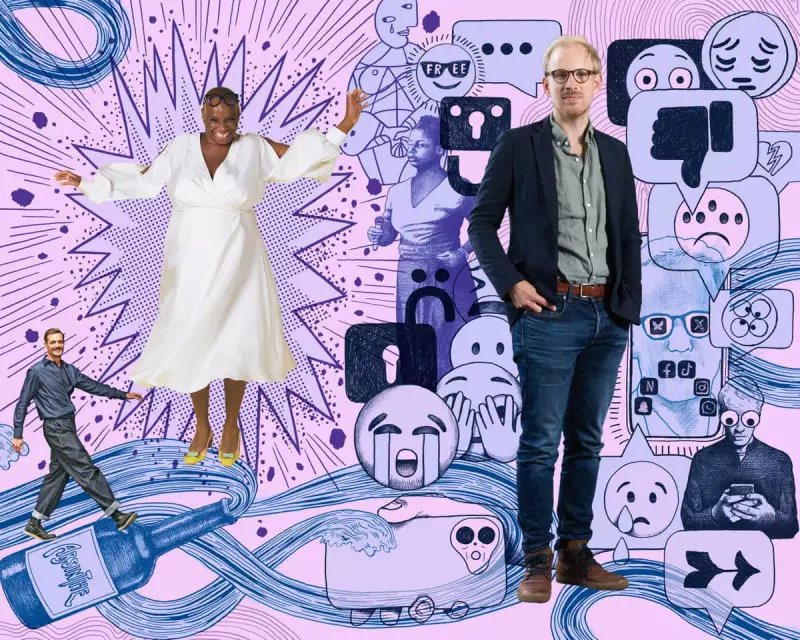
Rutger Bregman, the historian and author, has declared life too short for smartphone slavery. After years of failed self-regulation attempts, he took radical action. He deleted addictive apps and had his wife set a parental control passcode, blocking even the internet browser. "The feeling of liberation was … shocking," he admits, describing how the compulsive urge weakened once the constant 'sugar hit' was removed. He advocates for this personal 'structural change' while awaiting broader tech regulation.
For Patrick Grant, the fashion entrepreneur and Great British Sewing Bee judge, the breaking point was a debilitating, multi-day hangover following a friend's divorce party. He initially gave up alcohol for two months, feeling so mentally clear and productive that he extended his abstinence. Eight years on, he has navigated the UK's booze-centric social culture and found that fun doesn't require a drink. "I have forgotten what hangovers feel like," he says.

Michael Rosen, the beloved author and poet, gave up caffeine entirely after a severe bout of Covid-19 disrupted his sleep in hospital. Seeking better rest, he went 'cee-total' and hasn't looked back. He now opts for hot water with lemon and strategic naps, sharing sleep tips with fellow 'elderly gents' in what he humorously calls the 'organ recital'.
Quitting External Pressures and Diet Culture
Chef and presenter Andi Oliver has quit caring what people think. Despite a seemingly free-spirited youth in the band Rip Rig + Panic, external pressures led to a nervous breakdown at 30. She has since systematically dismantled the embedded messages about how she should look, sound, and behave as a Black woman. "The older I get, the more I get rid of," she states, calling the result wonderfully liberating.
Comedian Josie Long has sworn off low-fat foods and diet culture for good. A survivor of disordered eating and a near-fatal car crash in 2010, she made a pivotal decision to embrace life and pleasure through food. "I am here to live, and I am here to live well," she declares, now choosing full-fat butter, yoghurt, and chocolate in a 'wholesale rebellion' against the 'horrible war on our bodies' of her generation.
Cookbook author Meera Sodha is quitting being a 'people pleaser'. She realised this tendency, rooted in a childhood culture that prioritised the collective over the individual, was harming her. After therapy, she now consciously tunes into her own needs and desires. While stepping back from some relationships has been painful, she describes the outcome as a profound liberation: "I feel like there is a before and an after for me."
Rejecting Harmful Trends and Digital Toxicity
Former Olympian and personal trainer Louise Hazel has given up intermittent fasting after trying it for two months in 2019. She found it made her 'skinny fat', breaking down muscle mass for fuel during her active coaching days. She now advocates for a focus on body composition and strength over mere weight, urging a move away from the scales as the sole measure of health.
Playwright Lucy Prebble (Succession) has quit X, formerly Twitter. What began as a creative 'joke machine' devolved into a source of distress, particularly after seeing the platform's role in spreading misinformation during a London stabbing incident. Even a blank account showed her a default stream of violent and disturbing content. Her departure is less about willpower and more about a profound desire for societal clarity: "please, let’s open the window."

Finally, beauty writer Anita Bhagwandas has quit missing out. She now actively chooses to go to gigs and travel alone rather than wait for company. Inspired by the regret of missing Scott Weiland's final London show, she reframes solo adventures as brave and dynamic. "Life is too short to wait around for company," she concludes. "If the choice is going alone or not going at all? I’m choosing me."