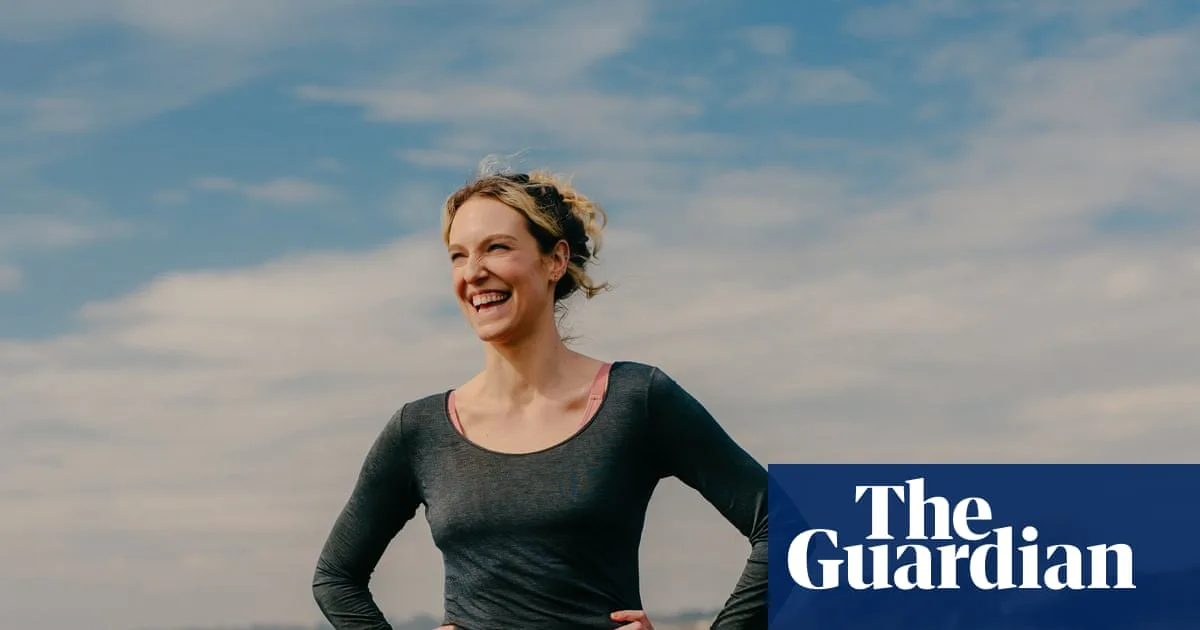
When Emily Bratt found herself navigating her mid-30s with a rapidly shrinking social circle, she faced a familiar modern dilemma: how do you make new friends as an adult when life has pulled your old ones in different directions?
The Friendship Gap in Adulthood
Conventional wisdom suggests that making friends becomes significantly harder as we age, and research supports this notion. A US survey by Talker Research found that 69% of people agree that forming close friendships becomes more challenging in adulthood.
Psychotherapist Kaytee Gillis explains why this happens: "Unlike in childhood, where free time is abundant and social interactions are woven into the fabric of everyday life, adults often have to actively carve out time for social activities amid their busy schedules."
Emily experienced this firsthand when her social calendar transformed from packed weekends in her "roaring 20s" to containing gaping weekend-sized holes. As friends moved to suburbia, got married, and had children, she realised their life paths were diverging.
The Digital Solution: Friendship Apps
Initially sceptical about using technology to find friends, Emily reluctantly tried Bumble BFF after a friend overseas recommended it. "It felt wrong – almost antithetical to my feminist values – to be a woman scrutinising other women in this way," she admits.
Her first friend date with Rachel began awkwardly but blossomed into a genuine friendship despite their different personalities and interests. Almost a year on, they've swum together, eaten together, and even hung out with Rachel's dad.
Emily also experimented with Timeleft, an app that arranges dinners with six strangers based on personality quizzes. It was here she met Elvira, bonding over a shared dry sense of humour. The three women – Emily, Rachel, and Elvira – now regularly meet for dinner and social events.
Organic Connections Still Matter
Not all of Emily's new friendships came from apps. When flat-hunting using SpareRoom, she clicked instantly with potential landlady Abi. Though she didn't end up moving in, they became firm friends, sharing dinners and attending a Fleetwood Mac tribute night together.
Another meaningful connection happened completely organically at Brighton's On the Beach festival, where Emily met Loveday while watching The Cribs perform. Four months later, they regularly walk together on the South Downs, putting the world to rights.
Emily found additional budding acquaintances in co-working spaces, exercise classes, monthly supper clubs, and local cafes, proving that real-life connections remain possible in 2025.
The Mindset Shift That Made It Possible
Emily believes her success in making new friends wasn't just about using the right tools. "I am almost certain that these friendships could not have materialised 18 months previously, because I was navigating a difficult time in my life," she reflects.
She discovered that happiness operates as a feedback loop: the happier she felt, the more interesting the world became, and as the world became more interesting, she grew happier and apparently more interesting to others.
"Age doesn't stop you from making friends – fear, anxiety and sadness do," Emily concludes. Her experience suggests that while statistics about adult friendship may seem discouraging, they don't have to dictate our social lives.
By combining digital tools with openness to organic connections and working through difficult emotions, Emily proved that building meaningful friendships in your 30s is not only possible but can be surprisingly straightforward.