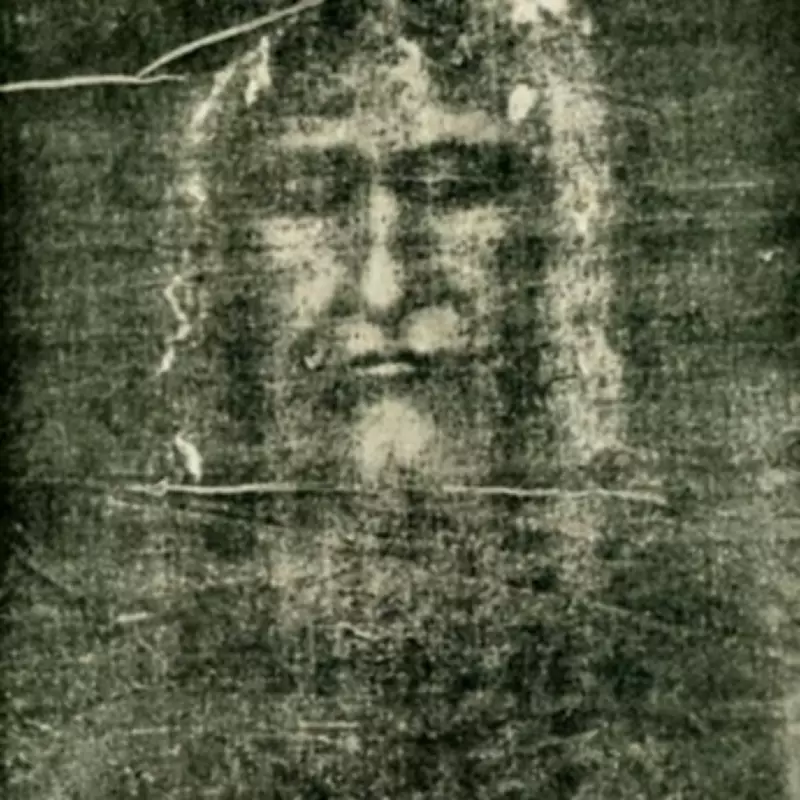
Fresh Scientific Rebuttal Challenges Turin Shroud Forgery Theory
The enduring mystery surrounding the Shroud of Turin has flared up once again with a significant new scientific rebuttal challenging recent claims that the revered relic is a medieval forgery. This latest development adds another layer to the centuries-old debate about whether the cloth bears the actual imprint of Jesus Christ after his crucifixion or represents an elaborate artistic creation from the Middle Ages.
Digital Modelling Methods Under Scrutiny
In the peer-reviewed journal Archaeometry, three prominent Shroud specialists – Tristan Casabianca, Emanuela Marinelli and Alessandro Piana – have published a detailed critique targeting research by Brazilian investigator Cicero Moraes. Last summer, Moraes published his own study in the same journal using 3D modelling software to suggest the Shroud's image was created by placing linen fabric over a shallow carved relief made of wood, stone, or metal.
Moraes concluded that an impression from such a carved surface matched the shape and dimensions seen on the Shroud far more closely than fabric draped over an actual human body. However, the new critique argues that Moraes' digital modelling contains significant errors and overlooks crucial features that make the relic exceptionally difficult to explain through conventional artistic methods.

Key Contradictions in the Forgery Theory
The authors of the rebuttal highlight two fundamental contradictions in the forgery hypothesis. First, they emphasize that the image on the Shroud is remarkably superficial, affecting only the very top layer of fibres without penetrating deeper into the cloth structure. Second, they point to independent scientific evidence confirming the presence of real human blood on the fabric.
"Both of these critical facts simply don't align with the concept of a medieval artist creating this image through conventional artistic techniques," the researchers argue in their published critique. "The superficial nature of the image and the confirmed presence of blood present challenges that the forgery theory fails to adequately address."
Historical and Artistic Inconsistencies
The critique further challenges the historical foundations of the forgery theory, noting that Moraes' research relies on what they describe as a "pick-and-mix" approach to periods and places that don't logically connect. They specifically highlight that the historian most frequently cited by Moraes, William Dale, actually argued the Shroud's artistic style appeared Byzantine – placing it at least two centuries earlier and geographically distant from 14th Century France where the artefact first appeared.
This historical discrepancy, according to the authors, undermines the central claim that a medieval French artist could have conceived and executed such an unprecedented image. They note that the Shroud depicts a naked, front-and-back representation of a post-crucifixion Christ – a scene virtually unheard of in medieval Western art traditions.
Ongoing Scientific and Theological Debate
The Shroud of Turin, preserved in Turin's Cathedral of St John the Baptist, measures approximately 14.5 feet by 3.7 feet and displays a faint image of a male figure with injuries consistent with crucifixion. For generations, it was regarded as a sacred relic dating back over 2,000 years, though its authenticity has been questioned since it first appeared in historical records during the 14th Century.
In 1989, radiocarbon dating placed the shroud's origins in the medieval period, specifically between 1260 and 1390 CE. However, subsequent research has questioned these findings, suggesting the tested sample may have come from a repaired section of the cloth rather than the original material.
Moraes has responded to the critique in the same journal, standing by his original conclusions while emphasizing that his work was "strictly methodological" in nature, focused primarily on how bodies deform when projected onto cloth. He has pointed to four artworks from the 11th to 14th centuries as possible inspirations for the Shroud's image, though the rebuttal notes that none of these examples show the specific, stark scene depicted on the relic.

The Archbishop of Turin, Cardinal Roberto Repole – who serves as custodian of the Shroud – cautioned last year against what he described as "superficial" conclusions in some recent claims about the artefact, urging more rigorous scrutiny of all theories. This latest exchange in Archaeometry demonstrates that the scientific and theological debate surrounding one of Christianity's most controversial relics remains as active and contentious as ever.