An organ once dismissed as largely irrelevant after childhood could hold the key to extending human lifespan and improving cancer treatment outcomes, according to groundbreaking new research. The thymus, a small gland situated behind the sternum, has traditionally been viewed as an immune system component that diminishes in importance following puberty. However, recent studies are overturning this assumption, suggesting its health plays a critical role in adult longevity and disease resistance.
Reevaluating the Thymus Gland's Role in Adult Health
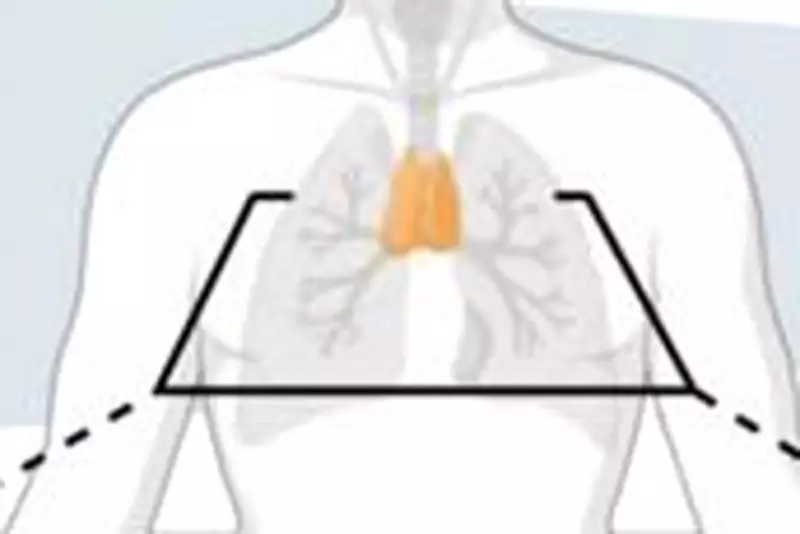
The thymus gland serves as a vital training ground for the immune system's T cells, which are essential for recognising and combating infections. For decades, scientific consensus held that this organ becomes largely inactive after puberty, shrinking with age and producing fewer new T cells. Consequently, its function in adult health has remained understudied and poorly understood. New research from Mass General Brigham is challenging this outdated perspective, using advanced artificial intelligence to analyse medical imaging data.
Artificial Intelligence Reveals Surprising Longevity Connections
Clinicians employed sophisticated AI algorithms to review CT X-ray scans from thousands of patients, discovering that adults with healthier thymus glands tended to live significantly longer. These individuals demonstrated markedly lower risks of developing serious health conditions, particularly heart disease and various cancers. The research team created a comprehensive "thymic health" score by evaluating each participant's thymus size, structure, and composition through detailed imaging analysis.

"The thymus has been overlooked for decades and may be a missing piece in explaining why people age differently and why cancer treatments fail in some patients," explained Hugo Aerts, an author of one of the two studies published in the prestigious journal Nature. "Our findings suggest thymic health deserves much more attention and may open new avenues for understanding how to protect the immune system as we age."
Comprehensive Study Reveals Dramatic Risk Reductions
The research encompassed data from over 25,000 adults participating in a national lung cancer screening programme, along with more than 2,500 participants from the long-running Framingham Heart Study of generally healthy individuals. The results were striking: participants with higher thymic health scores experienced approximately a 50 percent lower overall risk of death compared to those with lower scores.
More specifically, these individuals demonstrated:
- A 63 percent lower risk of dying from heart disease
- A 36 percent reduced risk of developing lung cancer
These significant risk reductions remained consistent even after researchers accounted for age and various other health factors, suggesting the thymus plays an independent role in health outcomes.
Mechanisms Behind Thymic Health and Disease Resistance
When thymus function declines, researchers suspect the immune system becomes less effective at responding to new threats, including cancerous cells. The studies identified several factors linked to poorer thymic health, including chronic inflammation, smoking habits, and higher body weight. These findings provide potential pathways for interventions that could preserve thymic function throughout adulthood.
Thymus Health Dramatically Improves Cancer Treatment Outcomes
A second complementary study examined CT scans and treatment outcomes from 1,200 patients undergoing immunotherapy, a revolutionary cancer treatment that primes the body's own immune system to fight cancerous cells. The results were equally compelling: patients with better thymic health experienced a 37 percent lower risk of cancer progression and a 44 percent reduced risk of death.
These improvements persisted even after researchers adjusted for differences in patients, tumour characteristics, and treatment protocols. The findings point to a previously unrecognised role for the thymus in determining how patients respond to modern cancer therapies, potentially explaining why some individuals benefit dramatically from immunotherapy while others show limited response.

Future Research Directions and Clinical Implications
While these findings represent a significant breakthrough, scientists emphasise that more studies are needed to confirm and expand upon these discoveries. An improved understanding of thymic health could help physicians better assess disease risk and guide treatment decisions for various conditions. The research opens promising new avenues for developing interventions that preserve thymic function, potentially extending healthy lifespan and improving cancer treatment efficacy.
The thymus gland, long considered an evolutionary relic in adults, now emerges as a potentially crucial factor in understanding why people age differently and respond variably to medical treatments. This research represents a paradigm shift in how medical science views this small but potentially mighty organ.