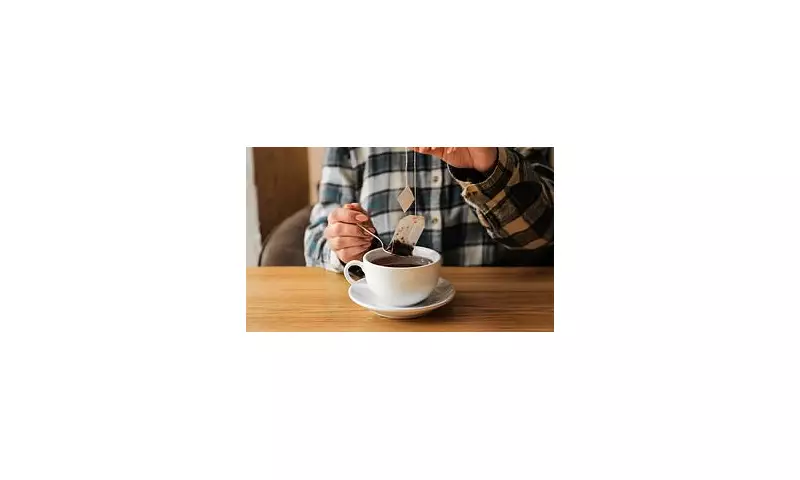
Enjoying a daily cuppa could be doing more than just providing a comforting break; it might be quietly strengthening your bones and guarding against future fractures, according to new scientific research. A decade-long study has revealed that women who drink tea tend to have slightly stronger hip bones than those who don't, potentially lowering their risk of a debilitating hip fracture in later life.
The Brew That Builds Bone
Scientists at Flinders University in Adelaide spent ten years analysing data, comparing women's consumption habits of tea and coffee with detailed scans measuring bone strength at the hip. This area is a critical predictor of fracture risk. The analysis concluded that tea drinkers exhibited modestly stronger bones than non-tea drinkers, a difference experts say is statistically significant.
'Even small improvements in bone density can translate into fewer fractures across large groups,' explained Dr Enwu Liu, a co-author of the study and Adjunct Associate Professor at the university, in an interview with News-Medical.Net. This finding helps illuminate how everyday lifestyle choices can influence the risk of developing osteoporosis, a bone-thinning disease.

Understanding the Protective Power of Tea
The bone-strengthening effect is likely attributed to tea's high levels of plant compounds called catechins. Co-author Ryan Yan Liu noted that these catechins are thought to promote bone formation and slow down bone breakdown. For the millions in the UK living with osteoporosis—the vast majority being women in midlife and older—this offers a simple, supportive dietary habit. The condition causes bones to become thinner and more fragile over time, making fractures far more likely.
Interestingly, the study found the benefit was more pronounced for obese women, where tea drinking was linked to higher bone mineral density (BMD) at the femoral neck, another indicator of hip fracture risk. However, researchers cautioned that this subgroup finding requires further study due to limited participant numbers.
The Coffee Conundrum and Other Factors
While the news for tea drinkers is positive, the research presented a more complex picture for coffee lovers. The analysis suggests that drinking up to three cups of coffee daily is unlikely to harm bone health. However, heavier consumption may pose a risk. Individuals who drank more than five cups a day were found to have lower bone mineral density, hinting at a higher future fracture risk.
Mr Liu explained that laboratory studies indicate caffeine can interfere with the body's ability to absorb calcium, a mineral essential for maintaining strong, dense bones. He was quick to add a reassuring note for milky coffee fans: 'These effects are small and can be offset by adding milk.'
The study also uncovered that the negative impact of high coffee intake appeared worse for women who consumed more alcohol over their lifetime. Again, the authors advised interpreting this specific finding with caution due to the small sample size.
A Simple Step for Skeletal Support
Experts stress that these findings highlight how small dietary habits can play a supporting role alongside proven measures like weight-bearing exercise, and adequate calcium and vitamin D intake. 'Our results don't mean you need to give up coffee or start drinking tea by the gallon,' said Dr Enwu Liu.
'But they do suggest that moderate tea consumption could be one simple way to support bone health, and that very high coffee intake might not be ideal, especially for women who drink alcohol.' He added, 'While calcium and vitamin D remain cornerstones of bone health, what's in your cup could play a role too.'
With over 70,000 people suffering a hip fracture in the UK each year and an estimated three million living with osteoporosis, these everyday choices could have a significant public health impact. For older women, that daily ritual of brewing a pot of tea may offer more than just warmth and comfort—it could be a small, steady step towards building a more resilient skeleton.