A groundbreaking archaeological study has revealed the astonishing story of a teenage boy from over 6,000 years ago who survived a brutal lion attack and lived for several months afterwards, cared for by his community.
A Fatal Encounter in the Neolithic Landscape
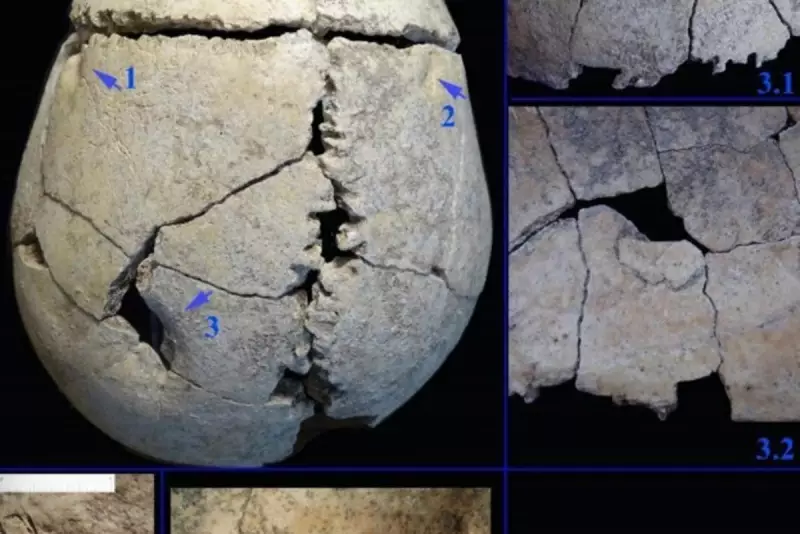
The research, published in the Journal of Archaeological Science: Reports, centres on the remains of a youth, aged between 16 and 18, discovered in what is now Bulgaria. Analysis suggests he may have been hunting when a lion tackled him to the ground and bit his head multiple times.
Scientists identified the predator by comparing two distinct bite marks on the skull with tooth imprints from various animals. The specific shape of one puncture matched the carnassial tooth of a lion, a specialised blade-like tooth at the back of the mouth designed for shearing meat.

Months of Survival Despite Severe Injury
Remarkably, the study's authors conclude the teenager lived for at least two to three months after the traumatic incident. This was determined by signs of healing around the severe cranial injuries.
The lion's bites are believed to have damaged the meninges—the protective membranes surrounding the brain—leaving its integrity in a questionable state. He would likely have been severely disabled, potentially struggling to walk and suffering from significant neurological issues.
Insights into Ancient Community and Care
This extended period of survival is what makes the discovery so significant to archaeologists. It raises profound questions about social care during the Eneolithic period (the Copper Age).
The study's authors state that his survival and the healing of his wounds strongly suggest he was looked after and treated by his community. This indicates that the society inhabiting the Kozareva mound in Bulgaria provided support for physically impaired members, offering a rare glimpse into their social structure and compassion.
The findings also contribute to knowledge of historical fauna, confirming lions roamed parts of Eastern Europe from the Neolithic until around 2,000 years ago during the late Iron Age.
This discovery follows other notable finds linking humans and large predators in antiquity, such as bite marks on a Roman-era skeleton in York that provided the first physical evidence of gladiators fighting animals.