The scientific community is mourning the loss of one of its most prolific and influential figures, Dr Kevin Thiele, who passed away in Perth at the age of 66. A world-renowned taxonomist, Thiele dedicated his life to the intricate science of naming, describing, and classifying plants, leaving behind an extraordinary legacy that has fundamentally reshaped our understanding of the botanical world.
A Life Dedicated to Botanical Discovery
For over three decades, Dr Thiele was a cornerstone of botanical research in Western Australia, serving with distinction at the Western Australian Herbarium. His career was marked by an astonishing output: he was directly involved in describing and naming more than 1,300 new plant species. This monumental contribution places him among the most significant taxonomists of the modern era.
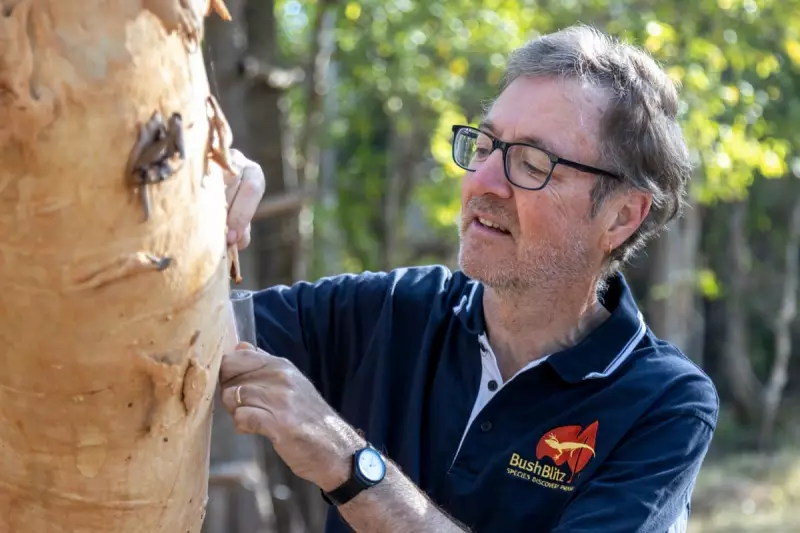
His work was not confined to the laboratory or herbarium cabinets. Thiele was a passionate field botanist, frequently embarking on expeditions across Western Australia's diverse and often remote landscapes. It was on these journeys that he collected the specimens which would become the foundation for his research, uncovering hidden biodiversity in the bush, woodlands, and outback.

Colleagues and friends remember him not just for his scholarly rigour, but for his unwavering kindness, patience, and dedication to mentoring the next generation of scientists. He possessed a rare ability to communicate complex botanical concepts with clarity and enthusiasm, inspiring countless students and amateur naturalists.
Revolutionising Plant Classification
Beyond the sheer volume of new species, Dr Thiele's intellectual legacy lies in his transformative work on plant families. He was a leading authority on the proteaceae family, which includes iconic Australian genera like banksias, grevilleas, and waratahs. His meticulous research helped untangle the evolutionary relationships within this complex group.
Perhaps his most celebrated achievement was leading the revision of the entire hibbertia family, a large and complicated group of flowering plants. This decades-long project was a taxonomic feat, requiring the re-examination of thousands of specimens. His work brought much-needed order and clarity, providing a stable framework for all future ecological and conservation studies involving these plants.
Dr Thiele was also an early and effective advocate for integrating new technologies into taxonomy. He championed the use of the International Code of Nomenclature for algae, fungi, and plants, ensuring his work met the highest global standards. Furthermore, he was instrumental in pushing for the adoption of genetic sequencing data to complement traditional morphological studies, paving the way for more accurate and robust classifications.
A Lasting Impact on Science and Conservation
The ramifications of Kevin Thiele's work extend far beyond academic journals. Accurate taxonomy is the very bedrock of effective conservation. By correctly identifying and naming species, scientists can assess their rarity, distribution, and threats. Many of the species Thiele described are endemic to Western Australia, a global biodiversity hotspot facing pressures from land clearing and climate change.
His detailed classifications mean that conservationists can now precisely target their efforts, ensuring that unique and endangered genetic lineages are protected. In this way, his life's work has directly informed environmental policy and land management decisions, helping to safeguard Australia's natural heritage for the future.
Dr Thiele's passing leaves a profound void in Australian botany. However, his legacy is firmly rooted in the scientific record, in the thousands of specimens bearing his name, and in the ongoing work of the researchers he taught and inspired. He is survived by his partner, Jane, and his brother, Greg. The scientific community remembers him as a humble yet monumental figure, whose quiet dedication in Perth resonated across the globe, forever enriching our knowledge of the planet's flora.