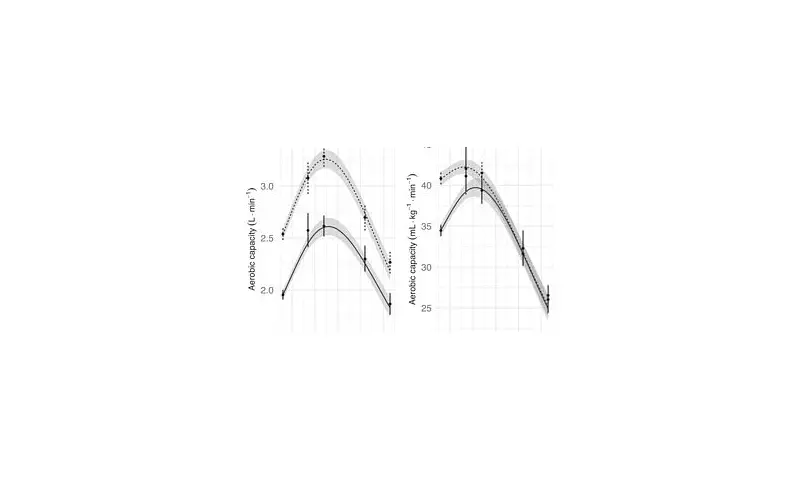
Scientists have pinpointed the precise age at which the human body reaches its physical peak, and the findings shed new light on the careers of some of the world's most celebrated sports stars. A landmark study has concluded that our overall physical ability crests at the age of 35.
The 47-Year Study Tracking Physical Capacity
Researchers from Sweden's Karolinska Institute embarked on a unique long-term study back in 1974, enrolling 427 participants—222 men and 205 women—who were just 16 years old at the outset. The team then tracked this group for an extraordinary 47 years, conducting repeated assessments until the participants reached age 63.
The comprehensive tests measured three core components of fitness: aerobic capacity, muscular endurance, and muscular power. Aerobic fitness was gauged through cycling or running tests, arm and chest endurance via a bench press, and leg power through a jump test.

Peak Performance and the Inevitable Decline
The analysis of decades of data revealed a clear pattern. Women reached their peak aerobic capacity at 35, while men hit theirs at 36. In muscular endurance, women peaked at 34 and men at 36. However, muscular power showed a much earlier peak, with men at 27 and women as young as 19.
Taking an overall view, the scientists determined that peak physical ability is achieved around the age of 35. The study's lead author, Maria Westerstahl, emphasised a crucial takeaway: "It is never too late to start moving. Our study shows that physical activity can slow the decline in performance, even if it cannot completely stop it."
The research, published in the Journal of Cachexia, Sarcopenia and Muscle, details a significant shift after 40. "After the peak, the annual decrease accelerated from an average of less than 1% per year in the first decade to over 2.0% in the last decade," the team explained. On average, participants experienced a 37% loss in physical capacity from their peak age to 63.
Elite Athletes Who Exemplify the 35-Year Peak
The findings align perfectly with the observed career trajectories of numerous elite athletes who have delivered their most iconic performances in their mid-thirties. This includes sporting legends such as:
- LeBron James, who led the Los Angeles Lakers to an NBA championship in the 2019-2020 season at age 35.
- Serena Williams, who dominated tennis and secured multiple Grand Slam titles in her mid-thirties.
- Roger Federer, who continued to win major tennis tournaments at ages 35 and 36.
- In football, Luka Modrić claimed the Ballon d'Or at 33, and Didier Drogba scored his legendary Champions League final goal at 34.
The researchers now aim to investigate the biological mechanisms behind this universal peak at 35 and understand why exercise can decelerate, but not prevent, the eventual decline. This groundbreaking work provides a scientific benchmark for understanding the human body's potential and its limits over a lifetime.