Holocaust Survivor Discovers 50+ Relatives Through DNA Test After Believing Family Was Wiped Out
Holocaust Survivor Finds 50+ Relatives Through DNA Test

Holocaust Survivor's DNA Test Reveals Family She Never Knew Existed

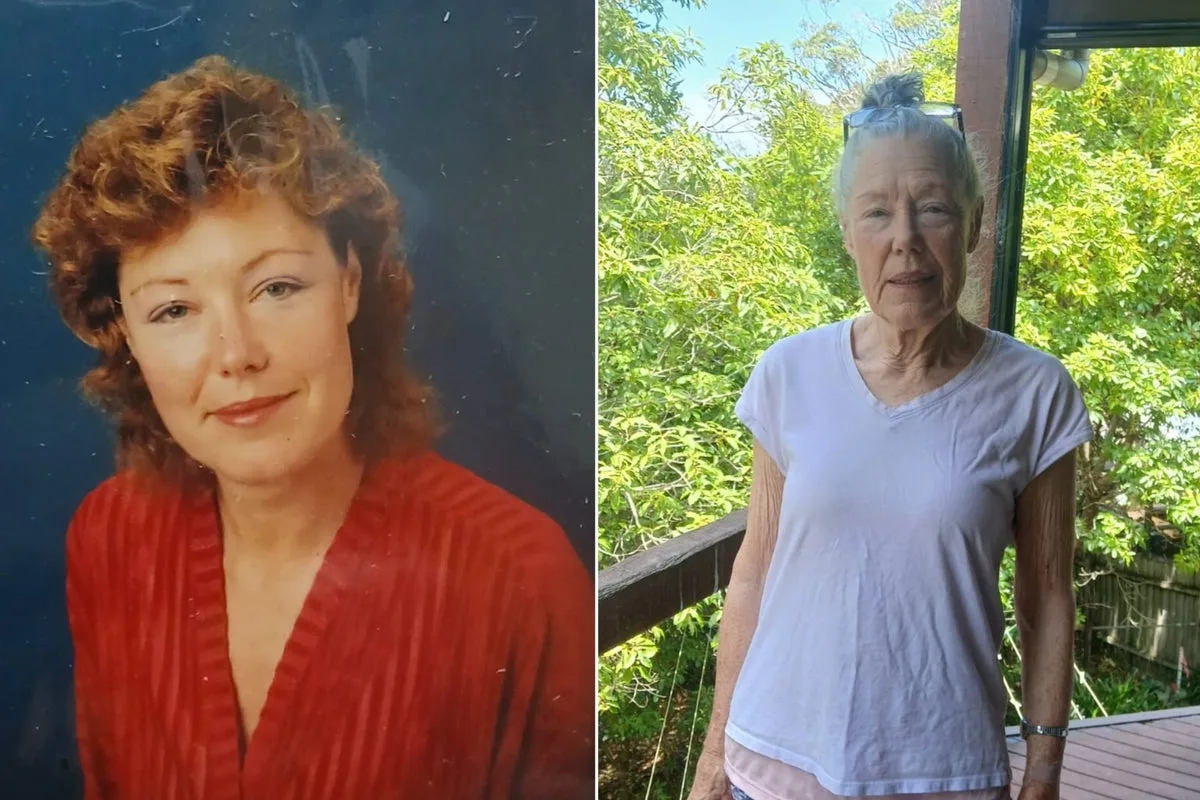
For decades, Adriana Turk carried the profound belief that her entire family had been brutally exterminated during the Holocaust. Growing up in the quiet coastal community of Merimbula in southeastern Australia, she navigated a childhood shadowed by unanswered questions and a deep, pervasive sense of loneliness. The loss of her brother later in life intensified this void, compelling the 74-year-old to embark on a journey of discovery through a simple DNA test. What she uncovered would forever alter her understanding of her past and her place in the world.

A Shattered Past and a Search for Answers

Ms Turk's father was a German Jewish man who managed to flee Nazi Germany in 1937. The family narrative she inherited was one of utter devastation: her grandmother perished in the Warsaw Ghetto, while an aunt, uncle, and their two young children were murdered at Auschwitz in 1944. "I guess I just assumed there was no-one out there," she confided to The Independent as Holocaust Memorial Day approached. The death of her brother cemented a feeling of emptiness, leading her to ask, "Well, what can I find?" The answer was beyond her wildest hopes.

Through the MyHeritage DNA service, Ms Turk did not merely find historical context; she found life. The test results connected her to the descendants of three Holocaust survivors from her grandmother's family line. This network included more than 50 living relatives scattered across the globe—dozens of cousins, aunts, uncles, and their children and grandchildren—creating a family tree she never imagined could exist.

Stories of Survival and a Bittersweet Reunion

Among the relatives discovered was Renate Püttmann, who survived the Nazi regime as a teenager after a German soldier, at great personal risk, falsified her documents to hide her. Renate went on to have eight children, whose own descendants now live in countries including Germany, Brazil, and Israel. This discovery of resilience and continuity arrived during a poignant moment for Ms Turk and Australia, which was reeling from its deadliest antisemitic attack—a shooting at a Hannukah event on Sydney's Bondi Beach that claimed 15 lives, including a child.

The emotional journey culminated in a recent connection with her cousin, Raanan Gidron, a 73-year-old psychotherapist living in Israel. His mother survived the Theresienstadt concentration camp and Auschwitz, later marrying a man who had also lost his parents to the genocide. "We always knew there were some relatives in New Zealand," Mr Gidron explained, "but it was hard to follow up." Their reunion was facilitated by Naama Lanski, a researcher at MyHeritage DNA, who helped bridge the decades-long gap.

Healing Fractured Histories

"It was magical to see Adriana in person, with the same face and eyes," Mr Gidron shared, describing their first meeting. The cousins now plan to gather in Europe this August, a meeting Ms Turk anticipates with immense excitement. She reflects that her sense of humour aligns more closely with these newfound relatives than with those she was raised alongside, describing the connection as "a missing piece" of her life. "As a child I used to feel invisible. I felt empty. How do you feel something when you don't know what it is? But I've found it now," she said.

For Mr Gidron, this reunion transcends personal joy, offering a powerful symbol of hope amidst contemporary fears within the Jewish community. "The very fact that we met two days ago for the first time is a living proof that life continues," he stated. "We are not alone anymore. Fractured families in the Jewish world coming together and healing again is important for everyone. For humanity." Adriana Turk's story stands as a testament to the enduring power of family and the remarkable ability of modern technology to mend wounds inflicted by history's darkest chapters.