

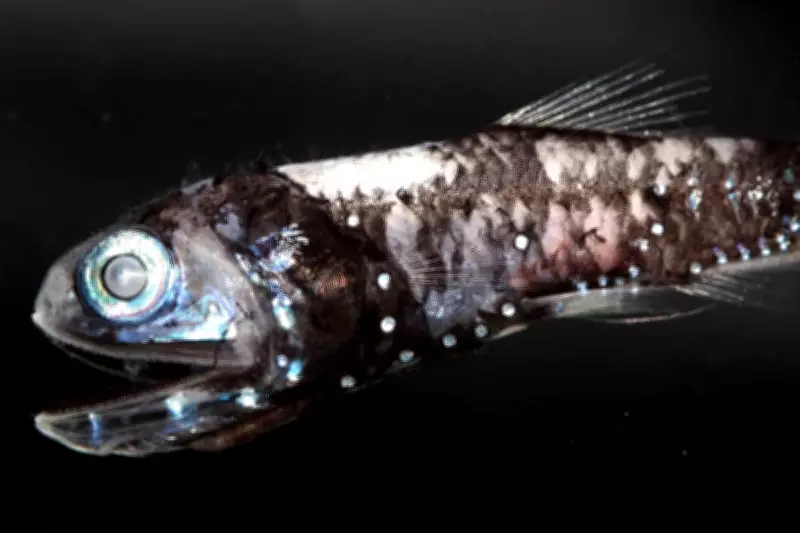
Groundbreaking research has uncovered a novel type of visual cell in the retinas of deep-sea fish larvae, fundamentally challenging long-standing assumptions about vertebrate vision. These hybrid cells, found in three distinct species inhabiting the Red Sea, merge the structural characteristics of rods—specialised for low-light conditions—with the molecular mechanisms and genetic markers typically associated with cones, which handle bright light and colour perception.
Discovery of Hybrid Visual Cells
The study focused on the larval stages of a hatchetfish, a lightfish, and a lanternfish, revealing that these hybrid cells enable enhanced vision in the pitch-black depths of the ocean. While the hatchetfish retains these unique cells into adulthood, the lightfish and lanternfish transition to conventional rod-cone vision as they mature, suggesting a developmental adaptation specific to their ecological niches.
Implications for Vertebrate Vision
This discovery indicates that vertebrate visual systems are far more flexible and evolutionarily adaptable than previously thought. The hybrid cells' ability to function in extreme darkness could provide insights into vision across various species, including potential applications in understanding human eye diseases or developing new optical technologies.

The research, conducted in the Red Sea, highlights how deep-sea environments drive unique evolutionary solutions. By studying these fish, scientists can better comprehend the limits and capabilities of visual adaptation, opening new avenues for biological and medical research.






