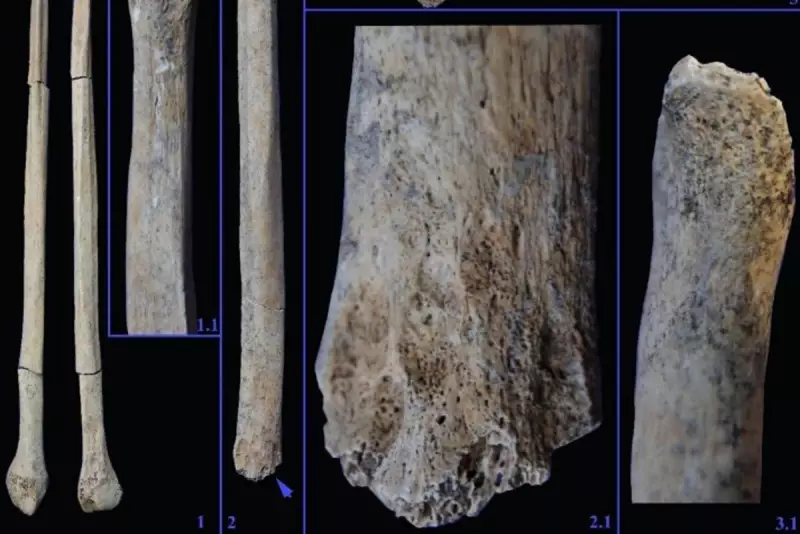
A remarkable archaeological discovery has shed new light on the resilience of our ancient ancestors and the compassion of early human societies. A new study reveals that a teenage boy, who lived over 6,000 years ago in what is now Bulgaria, survived a ferocious lion attack and lived for several months afterwards, thanks to the care of his community.
The Discovery of Ancient Injuries
Archaeologists examining the boy's remains made a startling find. The skull bore multiple, severe bite marks that were definitively identified as being caused by a lion's carnassial tooth. This type of tooth is a specialised slicing blade, indicating a direct and powerful attack from one of the era's top predators. The injuries were so severe that experts believe they likely resulted in significant brain damage.
Despite the catastrophic nature of these wounds, analysis of the bone healing shows the teenager did not succumb immediately. In fact, the skeletal evidence proves he lived for at least two to three months following the traumatic encounter. This survival window is a critical piece of the puzzle, pointing to something extraordinary beyond mere luck.

Evidence of Compassionate Community Care
The key implication of this extended survival is clear: the injured boy received sustained help. In the harsh environment of the Eneolithic period, also known as the Copper Age, an individual with such debilitating injuries would have been utterly vulnerable. His ability to survive for months indicates he was provided with food, water, protection, and likely basic medical attention.
This finding offers profound insights into the social structure of these prehistoric communities. It demonstrates that care for the disabled and vulnerable was a practice established thousands of years earlier than previously often assumed. The group's investment in a non-productive member suggests strong social bonds and a collective sense of responsibility, challenging simplistic views of prehistoric life as purely brutish and survivalist.
Broader Implications for History and Science
Beyond the touching human story, the discovery carries significant scientific weight. It provides direct evidence of the historical range of lions in Eastern Europe during that period, confirming their presence in the region now known as Bulgaria over six millennia ago.
The study, published in the Journal of Archaeological Science: Reports by researchers including Karastoyanova, and dated Wednesday 17 December 2025, thus contributes to two major fields. It enriches our understanding of early human social behaviour and compassion, while also adding a crucial data point to paleontological maps of predator distribution. The story of this resilient teenager is a powerful testament to the fact that community and care are fundamental human traits with ancient roots.