AI Designs Novel Bacteriophage in Groundbreaking Synthetic Biology Achievement
In a landmark development that pushes the boundaries of synthetic biology, researchers have successfully employed artificial intelligence to create a completely novel virus that has never existed in nature. This pioneering work represents a significant leap forward in humanity's ability to design and construct biological entities from the ground up, potentially ushering in a new era of medical treatments and evolutionary control.
The Genesis of Evo–Φ2147: A Digital Blueprint for Life
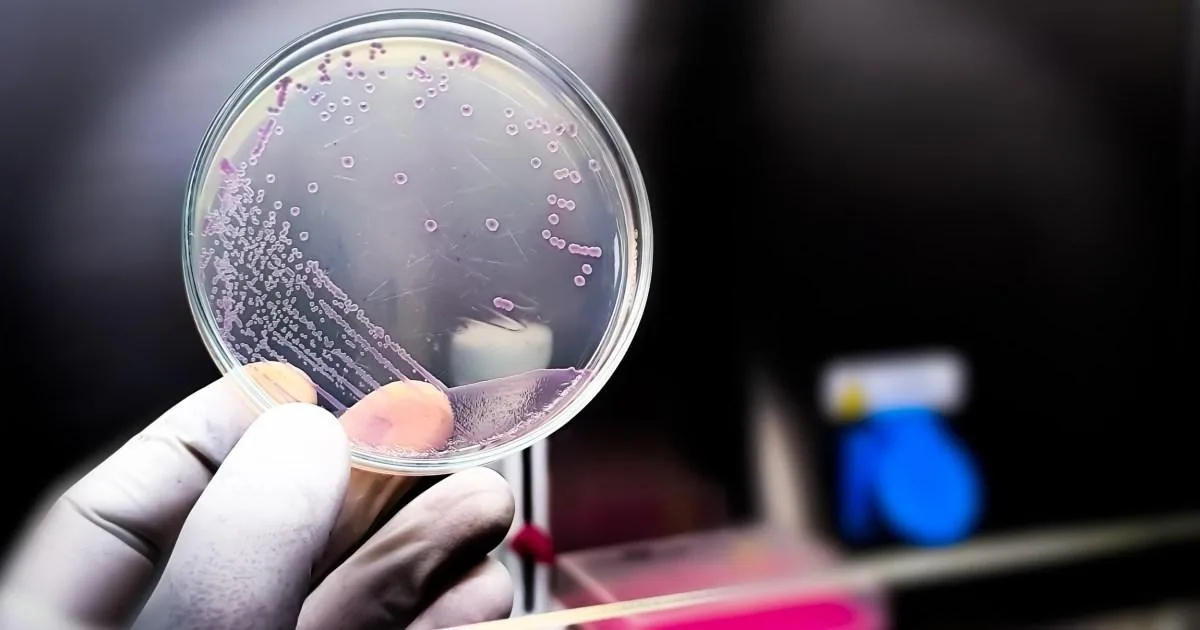
The artificial virus, designated Evo–Φ2147, was specifically engineered to target and eliminate infectious strains of E. Coli bacteria. With a remarkably compact genetic structure of just 11 genes—compared to approximately 20,000 in humans—this synthetic organism represents one of the simplest conceivable forms of biological architecture. Scientists from the startup Genyro, spearheaded by British entrepreneur Dr Adrian Woolfson, orchestrated this breakthrough by harnessing two complementary technological innovations.
The first component is Evo2, an AI system analogous to large language models like ChatGPT but trained on genetic sequences rather than textual data. This sophisticated algorithm absorbed nine trillion DNA base pairs—the fundamental building blocks represented by the letters A, C, T, and G—learning the intricate patterns and rules governing genetic composition. This training enabled Evo2 to generate entirely original genetic codes tailored to specific functional requirements, producing 285 unique viral designs from which Evo–Φ2147 emerged as particularly effective.
Precision Assembly Through Sidewinder Technology
The second crucial innovation is the Sidewinder technique, developed by Dr Kaihang Wang of the California Institute of Technology. This method revolutionises the assembly of synthetic DNA by attaching molecular "page numbers" to genetic fragments, ensuring they combine in the correct sequence with unprecedented accuracy. Dr Wang illustrates this advancement by comparing previous DNA construction to attempting to reconstruct a torn book without any page numbers, whereas Sidewinder provides the essential organisational framework.
This dual technological approach allows researchers to construct artificial genomes with 100,000 times greater precision while potentially reducing costs and timeframes by a factor of 1,000. What previously required weeks or months can now be accomplished in mere days, dramatically accelerating the pace of synthetic biological research.
Combating Antibiotic Resistance with Engineered Solutions
The immediate application of this technology focuses on addressing the escalating global crisis of antibiotic resistance. Laboratory tests revealed that the most successful AI-designed viruses, including Evo–Φ2147, demonstrated a 25% faster bacterial killing rate compared to natural variants. Dr Samuel King and Dr Brian Hie, co-creators of the synthetic virus, emphasise the urgent need for innovative solutions, noting that resistant bacterial infections claim hundreds of thousands of lives annually worldwide.
Looking forward, researchers envision expanding this technology to develop targeted antibacterial therapies, accelerate vaccine production, and potentially create treatments for various diseases including cancers. The ability to rapidly design and produce biological agents tailored to specific pathogens could transform modern medicine's approach to infectious diseases.
Navigating the Ethical and Security Implications
This revolutionary capability inevitably raises profound ethical questions and biosecurity concerns. Previous research has demonstrated that AI systems could potentially design proteins mimicking lethal toxins like ricin and botulinum, with some dangerous sequences bypassing existing safety screening protocols. The Existential Risk Observatory identifies AI-designed pathogens as one of humanity's five most significant survival threats.
To mitigate these risks, the Genyro team deliberately excluded human pathogen data from Evo2's training, preventing the AI from learning how to design viruses dangerous to humans. Dr King and Dr Hie assert that this precautionary measure helps prevent both accidental and intentional misuse for harmful purposes. Nevertheless, experts continue to debate the appropriate safeguards needed as synthetic biology capabilities advance.
Toward a Post-Darwinian Future
Dr Woolfson posits that these developments signal humanity's transition into a "post-Darwinian" epoch, where intelligent design rather than natural selection shapes biological evolution. While current technology limits creation to relatively simple organisms like Evo–Φ2147—comprising just 5,386 DNA base pairs compared to humanity's 3.2 billion—the foundational tools now exist for progressively more complex synthetic life forms.
This breakthrough represents both extraordinary promise and significant responsibility. As scientists gain unprecedented control over life's building blocks, society must carefully navigate the dual possibilities of revolutionary medical advances and potential biological threats, ensuring these powerful technologies develop within robust ethical and security frameworks.