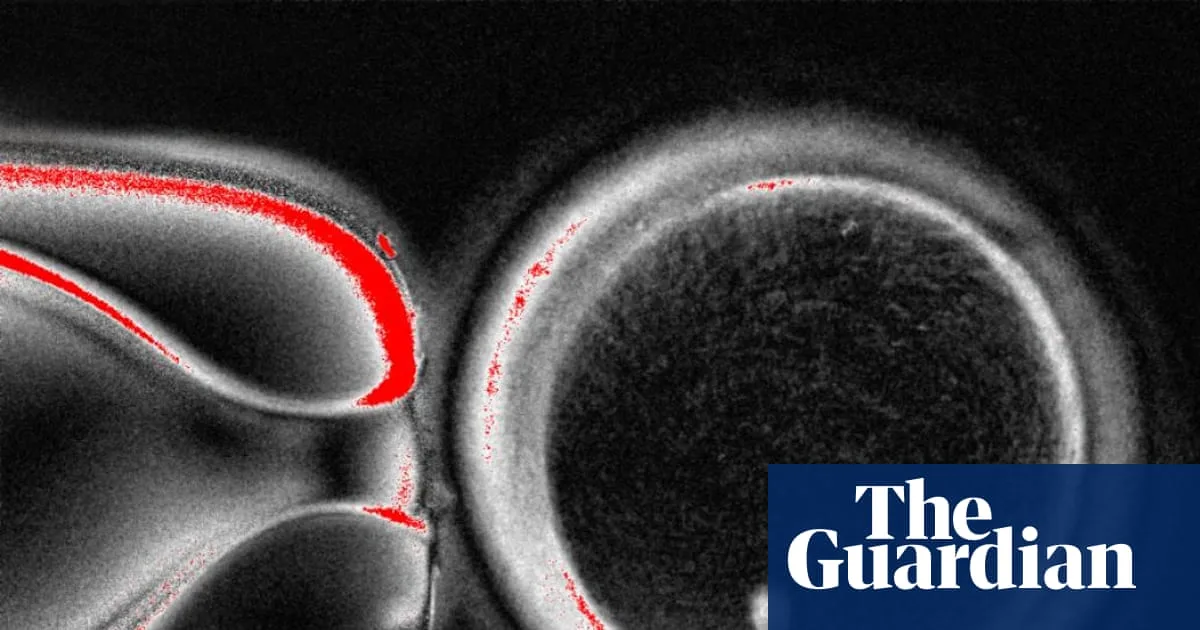
Skin Cells Turned into Human Eggs in Fertility Breakthrough
Scientists create human eggs from skin cells, offering hope for older women and same-sex male couples, though technique requires refinement.


Scientists create human eggs from skin cells, offering hope for older women and same-sex male couples, though technique requires refinement.

Slimming World members from Coatbridge raised £2,165 for Cancer Research UK at the Race for Life 10K in Falkirk, with consultant Stacey McKendrick running in memory of her father.
Researchers from the University of South Florida have returned from Antarctica with sea squirts whose bacterial toxins killed melanoma cells in mice, potentially leading to a new treatment for skin cancer.

Study finds dogs share genetic roots for emotions with humans, including genes linked to anxiety and depression.

Shared lists with real-time sync. No signup needed — just open and shop together.
Recommended
Myles Dunbar, 32, from Catford, re-learned to walk after a severe MS flare-up left him paralyzed. He now raises funds for MS charities through 'The BBQ Presents: The Summer Games' event on July 12.

Italian scientists find shorter people unhappy with height more likely to have psychopathic traits, including a tendency to show off and seek power. Other signs include choice of study, humor, and taste preferences.

A Royal Caribbean passenger on the Star of the Seas died after a medical emergency while snorkeling in St. Maarten. The family chose to place the body in the ship's morgue.

A study finds that using longer words in apologies increases perceived sincerity, with psychologists emphasising the importance of insight and behaviour change.

Alphonso Davies returns to SoFi Stadium, where he tore his ACL last March, as Canada face South Africa in the World Cup last-32. Coach Jesse Marsch says Davies' comeback changes the team's potential.
Shared lists with real-time sync. No signup needed — just open and shop together.
Recommended
Flooring experts reveal that black tea's tannins and polyphenols help wooden floors stay dust-free longer and restore their natural shine. A cheap, natural alternative to commercial cleaners.
Research shows 7,000 daily steps significantly lower risks of dementia, heart disease, diabetes, and cancer, debunking the 10,000-step myth.
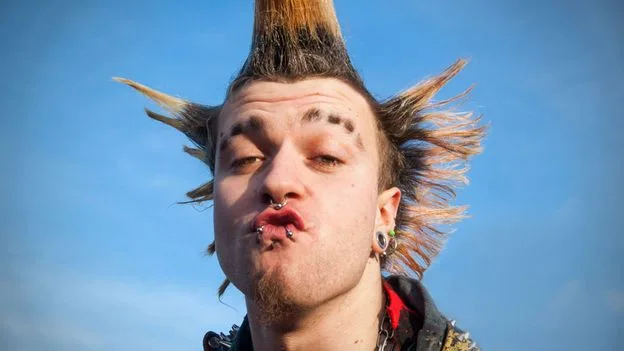
Swearing has hidden benefits including pain relief, increased persuasiveness, and emotional communication, according to recent research.
A urine test being developed at the University of Hull could diagnose endometriosis in GP surgeries, ending the nearly decade-long wait for diagnosis in the UK.
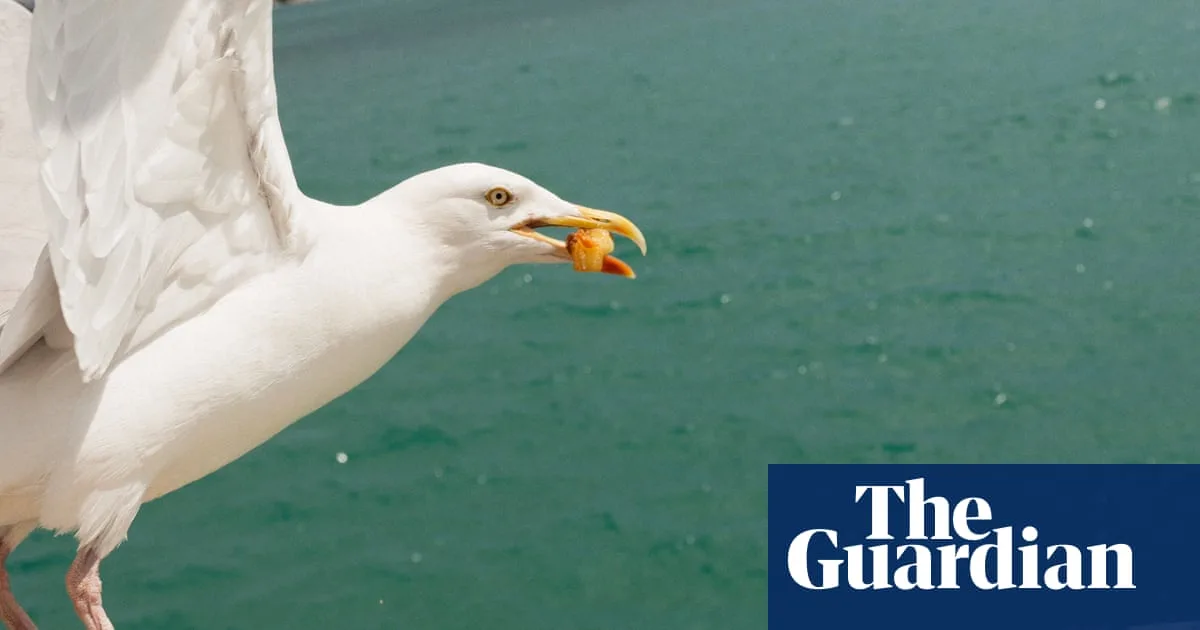
Painting eyes on takeaway boxes reduces seagull chip theft by up to 50%, University of Exeter study finds.
Shared lists with real-time sync. No signup needed — just open and shop together.
Recommended
Mohamed Salah was substituted in Egypt's 1-1 World Cup draw with Iran due to hamstring pain. The Liverpool forward faces scans and an anxious wait ahead of the knockout clash against Australia.

Asda, Morrisons, Tesco, Waitrose, M&S and Sainsbury's recall 13 fruit products over Salmonella fears. Symptoms include diarrhoea and vomiting; stay home 48 hours after symptoms stop.

Phil Moore was served raw chicken at Download Festival, forced himself to vomit, and later suffered diarrhea. He warns festival-goers to check food thoroughly.

Pure Coffee at Vernon Park in Stockport is run by charity Pure Innovations, providing employment and social experiences for people with learning difficulties, autism, and mental health conditions.
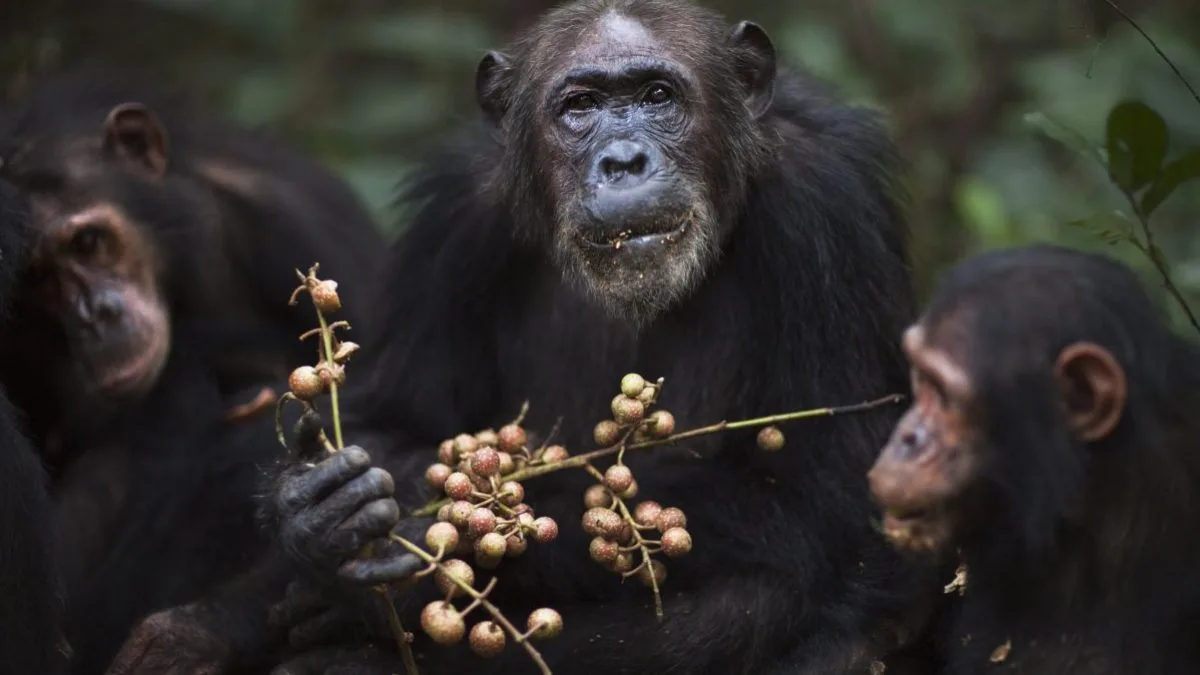
New research supports the 'drunken monkey' theory that our primate ancestors evolved to love alcohol due to its presence in ripe fruit.
Shared lists with real-time sync. No signup needed — just open and shop together.
Recommended
Mortician and scientist explain the stages of decomposition, from autolysis to rigor mortis, and the role of the thanatomicrobiome.
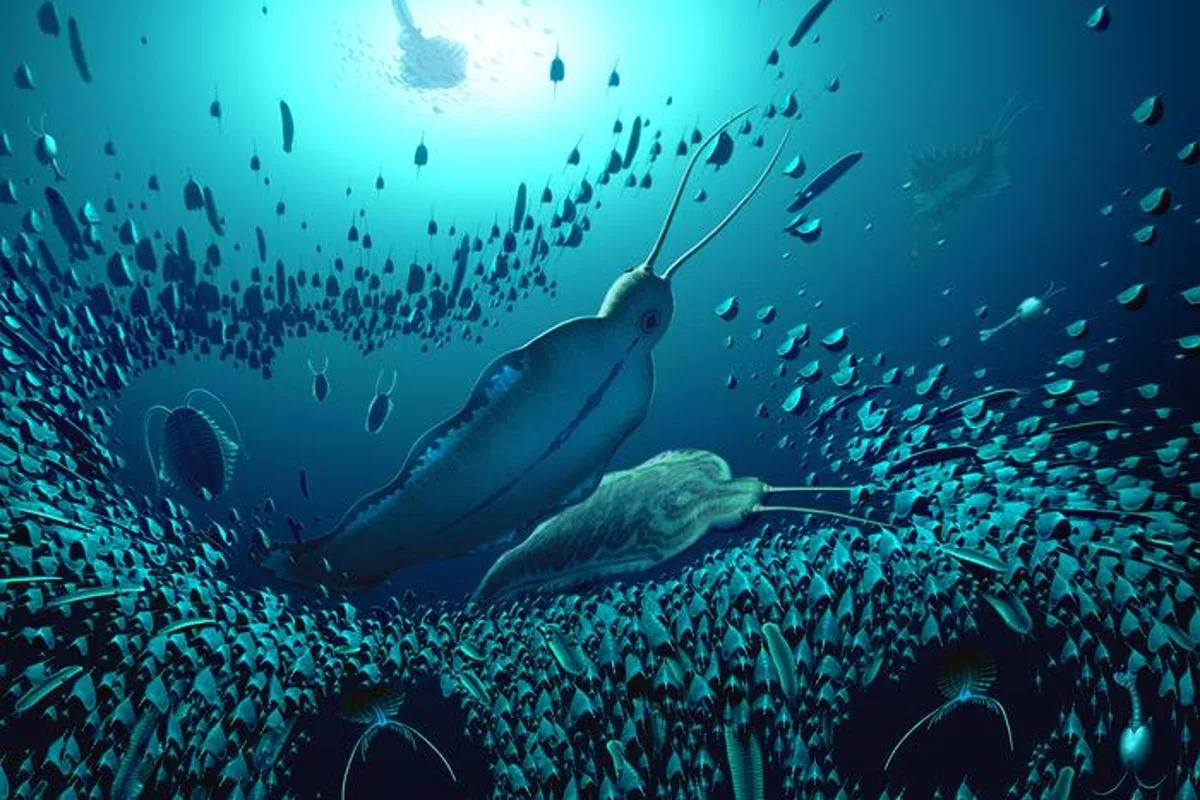
Fossils of giant 'terror beast' worms from 518 million years ago discovered in Greenland, revealing early ocean predators.
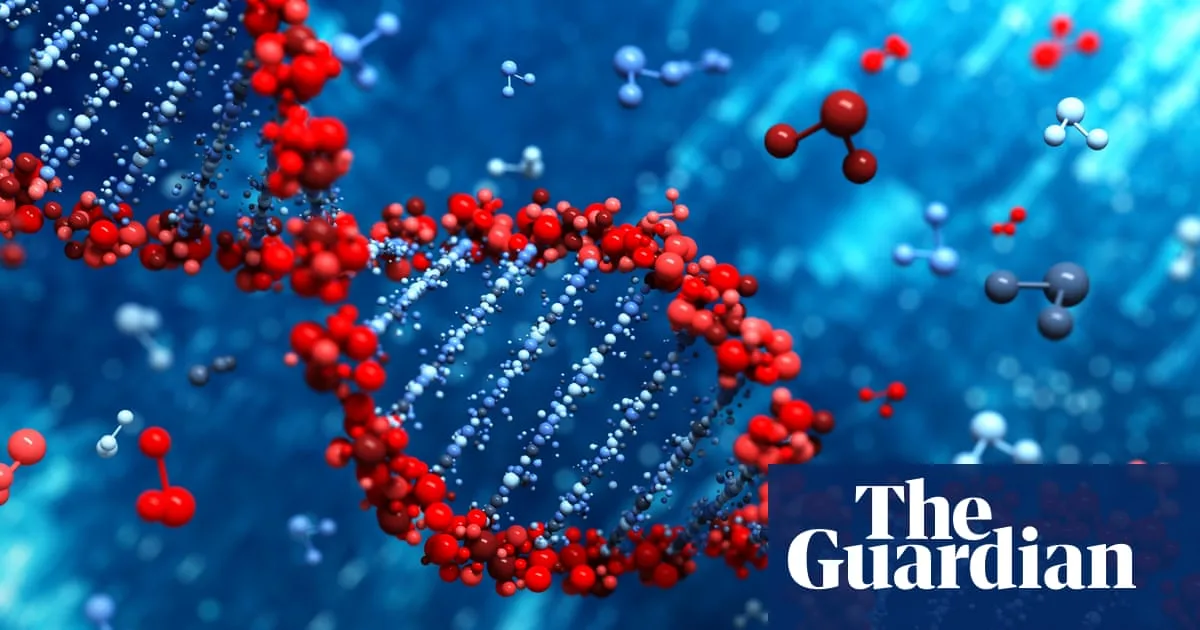
Leading scientists call for a halt on 'mirror life' microbe research, warning of unprecedented risks to life on Earth.

NHS Forth Valley contributed to the OPTIMA study, which found that around two-thirds of breast cancer patients could safely avoid chemotherapy, using DNA testing to tailor treatment.
Scientists discovered a hidden mechanism behind high cholesterol and a drug candidate that lowers LDL dramatically in mice, offering hope beyond statins.
Shared lists with real-time sync. No signup needed — just open and shop together.
Recommended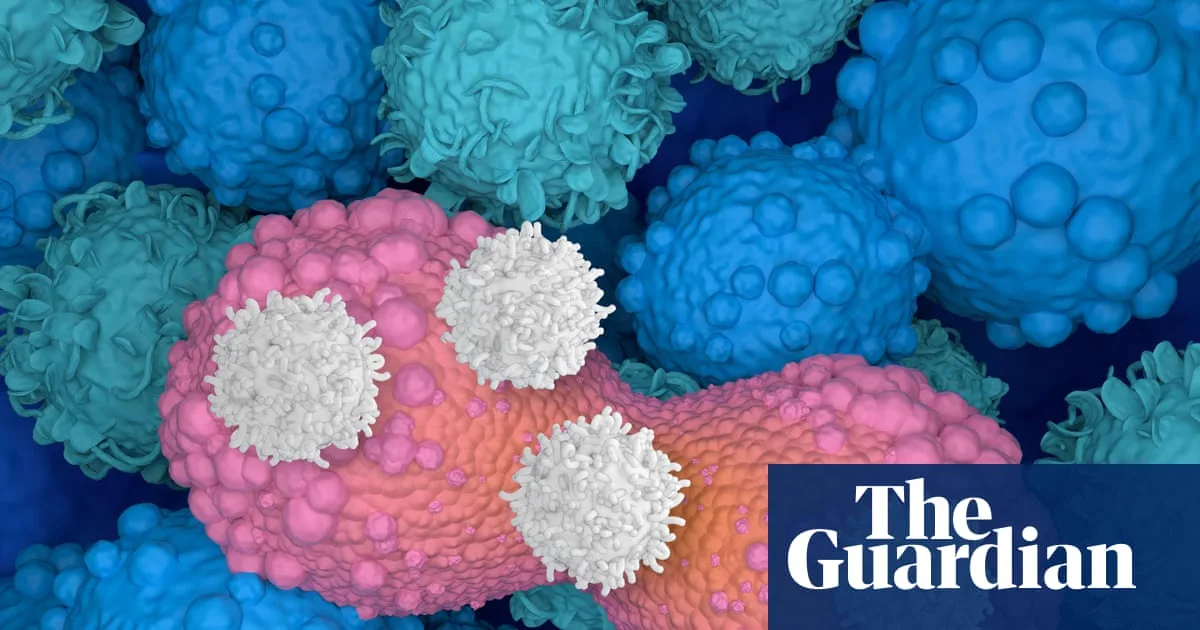
Experimental drug GRWD5769 shrinks tumours by 30% in six cancer types, restoring immunotherapy effectiveness in early trial.
Colin Blanchard, 54, spent years hiding his smile due to severe gum disease. After a harsh comment and a £60,000 quote, he traveled to Turkey for dental treatment and is now unrecognisable.
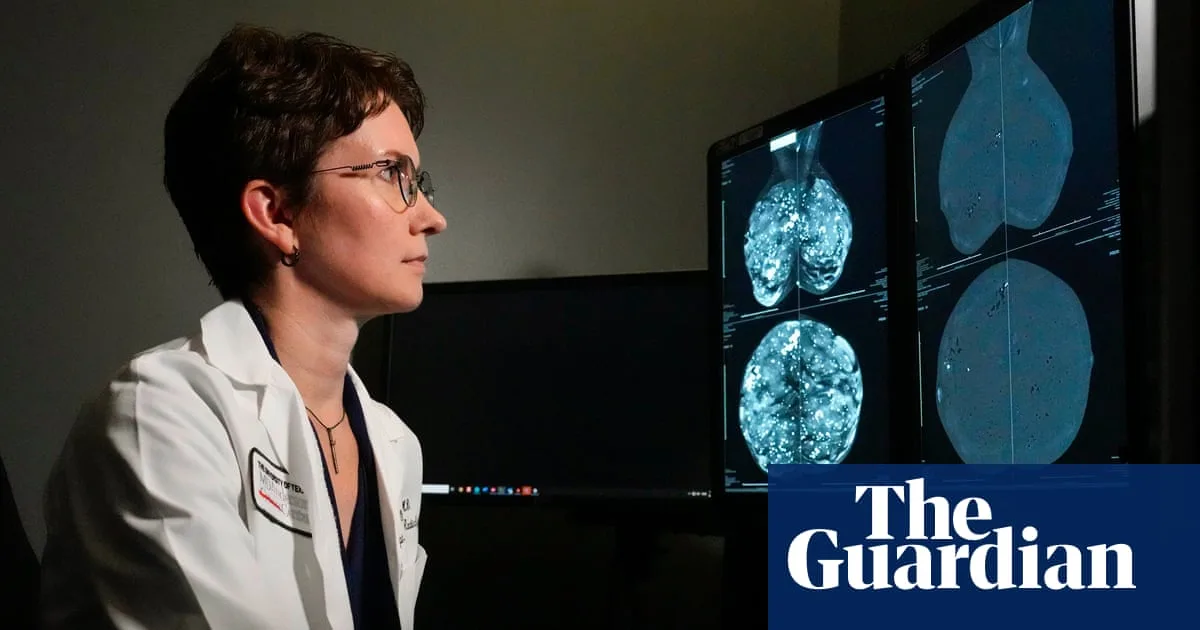
Trial shows genomic test can identify breast cancer patients who can safely skip chemotherapy, sparing side-effects.
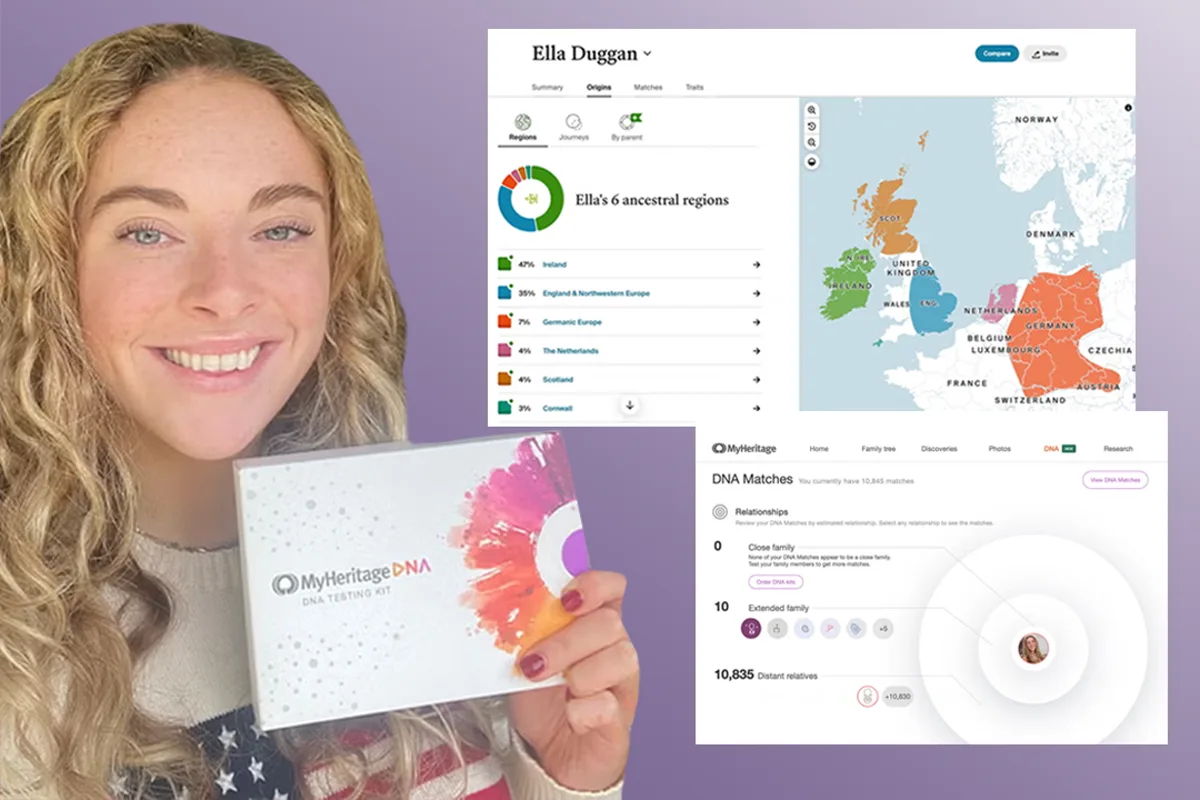
MyHeritage DNA test kit review: cheek swab, results in ~2 months, basic subscription included, detailed results require extra fee.

New emails show RFK Jr's colleague described their 2019 Samoa trip as a vaccine-related 'mission,' contradicting Kennedy's Senate testimony that the visit had 'nothing to do with vaccines.'
Shared lists with real-time sync. No signup needed — just open and shop together.
Recommended
Behavioural geneticist Kathryn Paige Harden discusses how genes influence traits like risk-taking and antisocial behaviour, and the implications for criminal culpability.
