Asda, Morrisons, Tesco, Waitrose, M&S and Sainsbury's have issued recalls on 13 fruit products due to potential Salmonella contamination. The bacteria can cause salmonellosis, a severe form of food poisoning affecting up to 23,000 people in the UK each year, with an estimated 30 to 50 annual deaths.
Affected Products and Use-By Dates
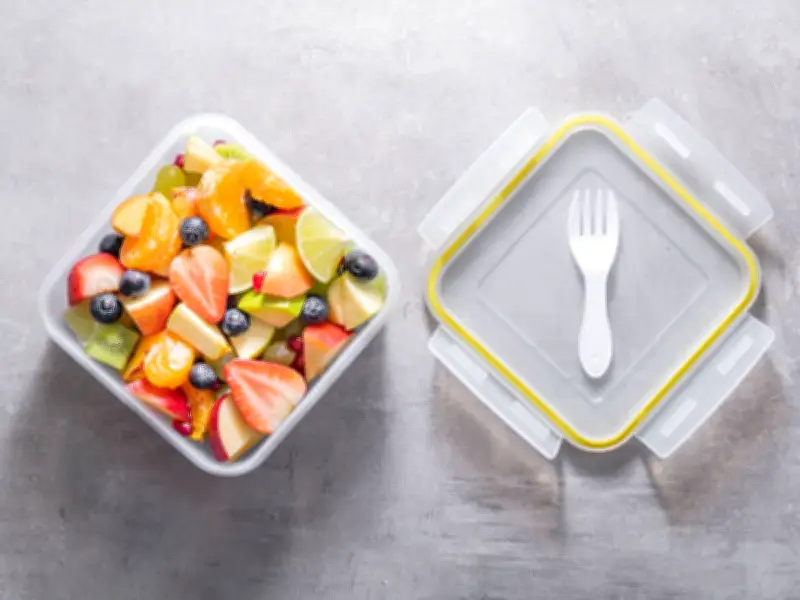
The recall covers a range of fruit packs sold at major supermarkets and M&S cafés. Full list:
- ASDA Pink Lady Apple, Mango, Strawberry & Blueberry – 220g, use by 23 and 24 June 2026
- Morrisons Kiwi, Melon & Strawberries – 220g, use by 24 June 2026
- Tesco Melon, Kiwi & Strawberry – 250g, use by 24 June 2026
- Tesco Kiwi Fruit Pot – 100g, use by 23 June 2026
- Waitrose Pink Lady Apple and Grapes – 115g, use by 23 June 2026
- M&S Café Pink Lady Apple – 90g, use by 24 June 2026
- M&S (FTG) Pink Lady Apple – 90g, use by 24 June 2026
- M&S Pink Lady Apple Slices – 225g, use by 24 June 2026
- Sainsbury’s Melon, Kiwi & Strawberry – 220g, use by 23 June 2026
- Sainsbury’s Orange & Kiwi – 240g, use by 23 June 2026
- Sainsbury’s Pink Lady Apple & Grape – 240g, use by 23 June 2026
- Tesco Fruit Kebabs – 290g, use by 23 June 2026
- Tesco Melon, Kiwi & Strawberry – 125g, use by 23 and 24 June 2026
Isolation and Contagion Warning
Salmonella causes symptoms including fever, diarrhoea, stomach cramps, and vomiting. The NHS warns that infected individuals are highly contagious while symptomatic. Anyone affected must stay off work, school, or nursery until they have been completely free of diarrhoea or vomiting for at least 48 hours.

What to Do If You Have Purchased These Products
Prepworld, the supplier, has initiated the recall. Notices are displayed at point of sale. A Food Standards Agency spokesman said: "If you have bought any of the products do not eat them. Instead, return them to the store from where they were bought for a full refund."
Symptoms and Treatment
Symptoms typically appear within a few hours to a few days after eating contaminated food. Most people recover within a week without medical treatment. However, vulnerable groups—such as the elderly, children, and those with weakened immune systems—may require hospital care.
Home treatment involves rest, plenty of fluids (water or squash, taken in small sips if feeling sick), and eating plain foods when able. Avoid fruit juice, fizzy drinks, and fatty or spicy foods. Paracetamol can help with discomfort. Do not give anti-diarrhoea medicine to children under 12 or aspirin to children under 16. For babies, continue breast or bottle feeding; give small, frequent feeds if vomiting.