Scientists Discover Googly Eyes Deter Seagulls from Stealing Food
Googly Eyes Stop Seagulls Snatching Chips, Study Finds

Googly Eyes Proven to Deter Seagulls from Snatching Food

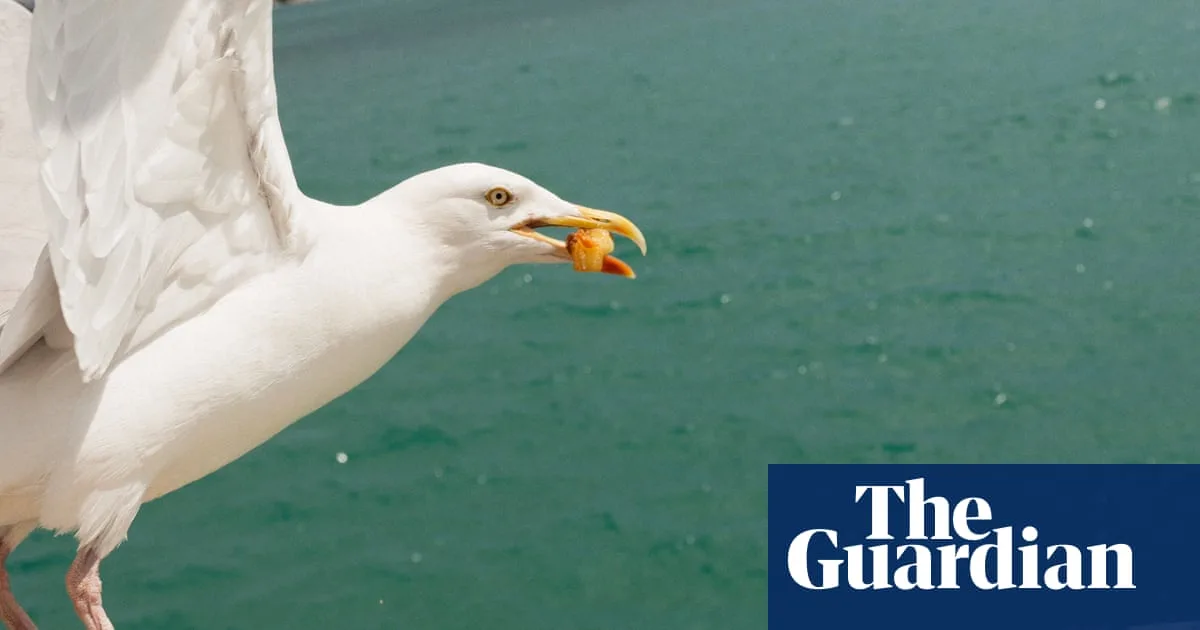
A relaxing seaside trip can quickly turn sour when a seagull swoops in to steal your chips, but scientists have now uncovered a surprisingly simple solution. Researchers from the University of Exeter claim that attaching googly eyes to food packaging can effectively keep these pesky birds away, offering a novel method to protect your meal.

How the Study Worked

In their innovative study, the team applied pairs of googly eyes to takeaway food boxes and tested their appeal to hungry gulls in coastal towns across Cornwall. They presented individual seagulls with a choice between two boxes placed metres apart on the ground: one adorned with eyes and one plain. The results were striking, as the gulls showed a clear aversion to the eye-covered boxes.

Dr Laura Kelley, the lead author, explained in an article for The Conversation: 'Many animals – both wild and domesticated – are very aware of eyes, which can indicate the presence of a predator or be used to communicate intent. Direct eye contact often conveys aggression, while looking away indicates a lack of threat.' This defensive response likely explains why the gulls were slower to approach and less likely to peck at the boxes with eyes.

Wide Pickt banner — collaborative shopping lists app for Telegram, phone mockup with grocery list

Previous Deterrent Methods and New Insights

From shouting to wearing stripy clothes, previous studies have suggested various tactics to deter seagulls. However, the University of Exeter team was inspired to explore the impact of googly eyes after discovering that making eye contact with birds can halt their swooping behaviour. Their research builds on this by providing a practical, low-cost solution.

In a follow-up experiment, the researchers tested whether gulls would eventually realise the eyes were not a real threat. They presented 30 gulls with a takeaway box, either with or without eyes, three times over a short period. The findings revealed that around half of the birds never pecked at the box with eyes, while the other half quickly approached and pecked.

Dr Kelley noted: 'This suggests there could be a sustained effect from the fake eyes for some gulls that do not realise they are being tricked.' Based on these results, the team aims to collaborate with food vendors to test the effectiveness of googly eyes in more realistic settings, potentially combining them with other deterrents like shouting for greater impact.

Broader Implications and Related Research

The study highlights how simple visual cues can mitigate conflicts between humans and wildlife. Dr Kelley added: 'The evidence is clear that fake eyes can offer a cheap, simple way to mitigate conflict with humans and other animals.' This news follows recent research from the same university, which found that shouting at seagulls is also effective in deterring food theft.

In that earlier study, scientists tested 61 gulls across nine Cornish seaside towns by placing a closed Tupperware box of chips on the ground and playing recordings. They discovered that birds were most likely to fly away quickly when hearing a shouting voice, compared to a speaking voice or neutral birdsong.

Dr Neeltje Boogert, a research fellow in behavioural ecology, said: 'When trying to scare off a gull that's trying to steal your food, talking might stop them in their tracks but shouting is more effective at making them fly away.' Together, these findings offer practical advice for anyone looking to enjoy a meal outdoors without avian interruptions.

Scientifically Proven Ways to Deter Seagulls

  • Shout at them to scare them off effectively.
  • Wear contrasting patterns such as zebra stripes or leopard print.
  • Maintain eye contact with any gulls that stray too close.
  • Eat underneath a parasol, umbrella, roof, or with your back against a wall.
  • Never leave a bag unzipped or feed them for fun.
  • Stick googly eyes on your food packaging as a visual deterrent.

This research underscores the potential for innovative, low-tech solutions to address common wildlife issues, providing hope for seaside visitors everywhere.

Pickt after-article banner — collaborative shopping lists app with family illustration