Women with endometriosis in the UK still wait nearly a decade for a diagnosis, but researchers at the University of Hull are developing a simple urine test that could dramatically speed up detection. The non-invasive diagnostic tool aims to identify both deep and superficial forms of the debilitating condition far earlier than current methods.
Moving diagnosis from theatre to GP surgery
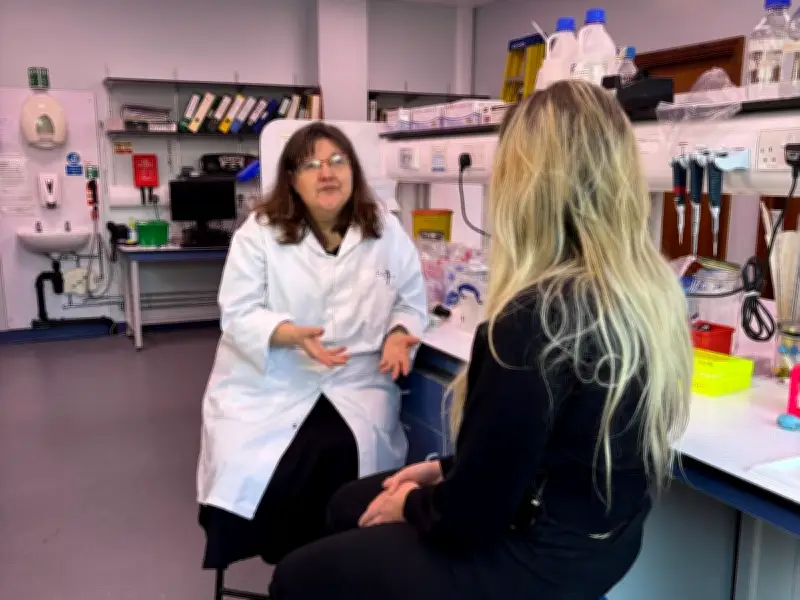
Dr Barbara Guinn, a biomedical scientist at the University of Hull, said the goal is to move diagnosis out of hospital theatres and into routine GP appointments. "Women can be in serious pain and still be told everything looks 'normal'," she said. "We're trying to find a way to catch endometriosis sooner, so people don't have to spend nearly a decade waiting to be believed."
Under current NHS guidance, GPs assess symptoms, carry out examinations and begin treatments like pain relief or hormonal contraception. If symptoms suggest deeper disease, patients may be referred for scans or specialist care, but this pathway can take years.

Rising demand and long waiting lists
According to Dr Guinn, around 750,000 women are currently on waiting lists to see a gynaecologist in the UK, with an estimated 600,000 thought to have endometriosis. Most patients see their GP about 10 times before being referred, often over a period spanning years. Even then, diagnosis for many involves invasive surgery.
The research began in 2018 with a PhD project at the University of Hull, initially focused on identifying biological markers for chronic diseases. Researchers noticed a particular protein that appeared to "go wrong" in endometriosis. "When we looked, we found that levels of this protein are altered in people with Alzheimer's disease," Dr Guinn said. The unexpected neurological and gynaecological overlap helped steer the team towards investigating whether the protein could be detected in urine.
Clinical trial shows promise
The team found that the protein is affected in deep endometriosis, with levels much lower than normal. "It can help us tell the difference between someone with deep endometriosis and someone who doesn't have it," Dr Guinn said. A clinical trial launched in 2022 has collected almost 600 urine samples from patients with endometriosis and around 200 from healthy volunteers.
With additional UK Research and Innovation (UKRI) funding, the work has moved into proof-of-concept development, aiming for a clinically approved diagnostic test. The UKRI said researchers are "working as hard as we can to get this out as quickly as possible", adding that it is "not going to be years away".
'It's a black box'
One of the biggest challenges is the lack of clarity in current diagnosis and treatment. "A lot of people just want to know if they've got endometriosis or not. Once they know, they then feel that they're in control of their body and can make decisions about what happens," Dr Guinn said. "At the moment it's a black box."
Symptoms vary widely and can include severe period pain, fatigue, nausea, bowel and bladder symptoms, and pain during or after sex. Many overlap with other conditions, leading to misdiagnosis or delays. A common experience is being told symptoms are caused by IBS, PMOS, or simply "bad periods".
"If you don't know what a normal period is, it's really hard to know that yours aren't," Dr Guinn said, adding that many women grow up without open conversations about menstrual health, leading to normalisation of severe symptoms. She noted the "common theme" for endometriosis is "periods that are so painful that they prevent normal daily activity".
Reducing unnecessary surgery
Diagnosis has traditionally relied on laparoscopy, a surgical procedure to confirm the disease. Dr Guinn highlighted complications: for people with superficial endometriosis, surgery can miss disease entirely or cause adhesions. "With superficial endometriosis, there seems to be a much larger immune component. Having a laparoscopy can cause adhesions. It can cause sticky organs."
Even when surgery is performed, outcomes are not always definitive. "A small percentage will be told that they don't have any evidence of endometriosis. It doesn't mean they don't have it. It means it wasn't found at laparoscopy," she said. "To be told you don't have it… I can't think of anything worse after all that waiting."

The team hopes their work will eventually differentiate between deep and superficial endometriosis and "send them to the right treatment pathway". Ultimately, the goal is to reduce diagnostic delays and unnecessary surgery, giving patients earlier clarity and control.