
UK Pharmacies Face Critical Aspirin Shortage as Export Ban Bites
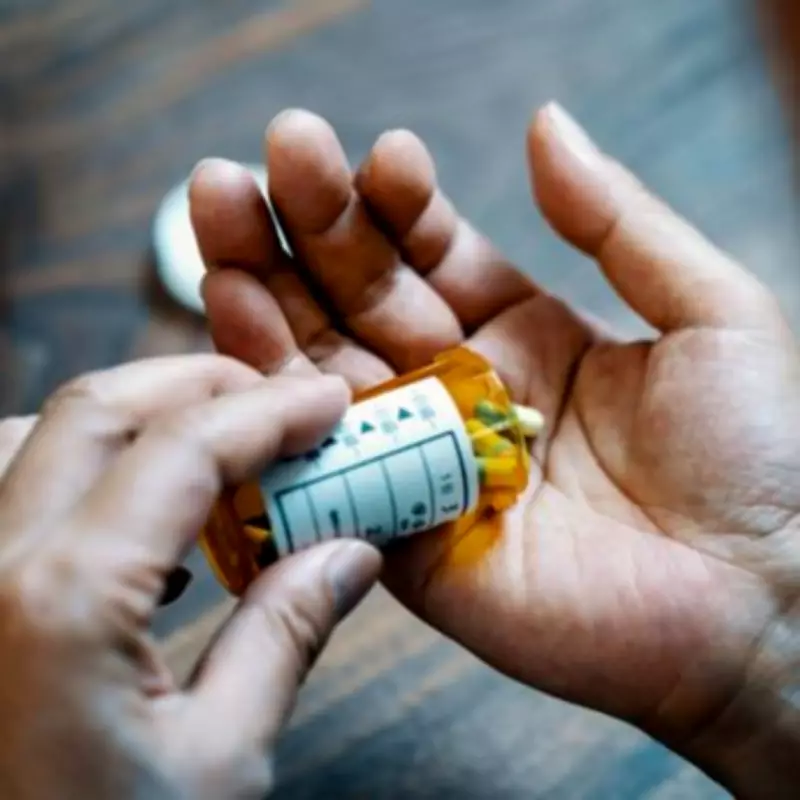
Chemists across the United Kingdom are running out of 75mg aspirin, commonly known as 'baby aspirin', which is used by millions for stroke prevention. The government has placed aspirin on its export ban list in an effort to safeguard domestic supplies, but pharmacies are still experiencing severe shortages.
Pharmacy Chair Reveals Dire Situation
Olivier Picard, chair of the National Pharmacy Association, appeared on BBC Radio Four's Inside Health programme to discuss the impact on patients. He disclosed that his own pharmacies are struggling to obtain the medication. "It is hit and miss with pharmacies at the moment," Picard stated. "I was in a pharmacy earlier where I asked 'do you have any aspirin' and my pharmacy said 'I have 16 tablets left in a pack of 100 everything else has gone.'"
He added that another pharmacy has only a few packs of 28 tablets, which might last a couple of days before running out completely.
Specific Dose in Short Supply
The shortage primarily affects the 75mg aspirin dose, which is crucial for individuals with a history of strokes, heart disease, chronic kidney disease, and some diabetes patients. "It literally is as a stroke prevention," Picard explained. In contrast, 300mg aspirin tablets, used for pain or fever relief, remain readily available and are not experiencing supply issues.
Patient Panic and Legal Constraints
When asked about the impact on patients, Picard described scenes of sheer panic. "You look at sheer panic on their face primarily because they know the importance of taking aspirin and they've never had a supply issue," he said. Patients are left wondering what to do when their supply runs out, as pharmacies are legally unable to change prescriptions. Even if alternative strengths or equivalent medications are on the shelf, patients must return to their doctor for a new prescription.
Root Causes of the Shortage
Picard attributed the shortage to complex supply chain dynamics and pricing pressures. "The supply chain is complicated and aspirin manufacturers are not solely UK companies," he noted. These European-wide companies manufacture for multiple countries, but the UK offers some of the cheapest generic drug prices in Europe. As prescription numbers rise, the government pushes prices down to control spending.
This has pressured manufacturers to produce drugs more cheaply, leading them to withdraw from the UK market in favour of more lucrative EU markets like Germany, France, or Italy. "Unfortunately today we have a list of over 250 items, of course aspirin is on that list," Picard revealed, mentioning that blood pressure medications and antidepressants are also affected. The list continues to grow as prices become unsustainable for manufacturers.
Government Response and Interim Solutions
In Parliament, Tory MP Mark Pritchard questioned the Health Department on steps to increase aspirin availability and normalise supply chains. Dr Zubir Ahmed, Parliamentary Under-Secretary for the Department of Health and Social Care, responded: "The Department is aware of a recent disruption to the supply of aspirin dispersible tablets and are working with suppliers to understand the causes and aid a return to normal supply as soon as possible."
Ahmed assured that supply issues are being addressed, with stock regularly made available for pharmacies to order. The Department is collaborating with manufacturers and UK distributors to ensure maximum accessibility across the country and expects supplies to normalise in the coming weeks.
Picard suggested that granting pharmacies the authority to modify prescriptions could serve as an interim solution. Meanwhile, affected patients are advised to consult their GPs for alternative prescriptions to manage their conditions during this critical shortage.




