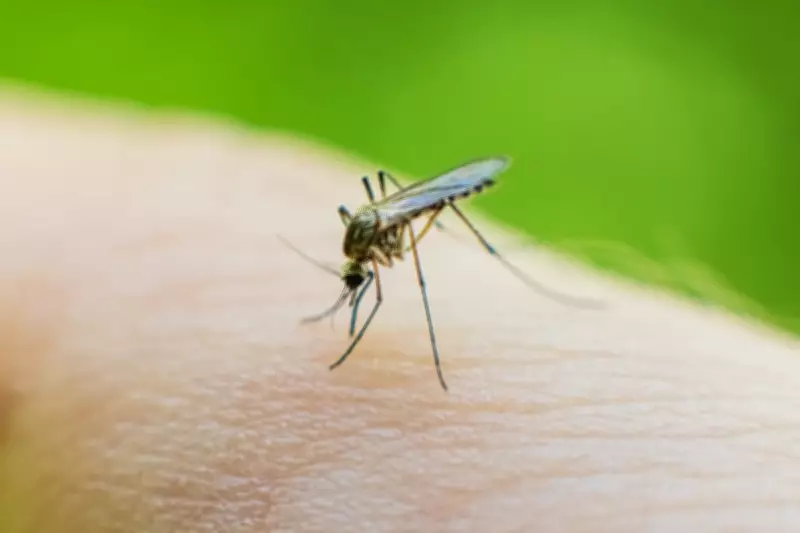
Chikungunya Virus: A Growing Travel Health Concern
Health authorities across the globe are urging travellers to take stringent precautions against mosquito bites following warnings about the transmission of the chikungunya virus in European regions. The alert comes as the Centers for Disease Control and Prevention (CDC) in the United States has issued "level 2" advisories for destinations including the Seychelles islands, Bolivia, and Suriname, advising holidaymakers to consider vaccination before their journeys.
Understanding Chikungunya and Its Global Spread
Chikungunya is a viral infection transmitted to humans through the bite of infected mosquitoes, primarily found in tropical and sub-tropical areas. It cannot spread directly from person to person. Recent data from the Pan American Health Organisation (PAHO) indicates that the virus was responsible for approximately 502,264 cases and 186 related deaths worldwide last year, affecting 41 countries or territories.
Notably, Brazil reported the highest number of cases in 2025, followed by Bolivia, Argentina, and Peru. In Europe, the European Centre for Disease Prevention and Control (ECDC) has linked transmission to travellers who inadvertently carried infected mosquitoes from abroad, highlighting a growing risk in mainland Europe.

Symptoms and Health Risks
The name "chikungunya" originates from the Makonde language in Tanzania, where the disease was first identified in the 1950s, meaning "that which bends up" due to the severe joint pain that causes contorted postures in infected individuals. Symptoms typically include:
- Sudden onset of fever
- Joint pain and swelling
- Muscle aches
- Headaches
- Nausea and fatigue
- Rashes
While joint pain can be debilitating and may persist for weeks, months, or even years, some cases present with mild symptoms that go unrecognised. Most people recover fully, but severe complications such as eye, heart, or neurological issues can occur, particularly in newborns and older adults with underlying conditions. Pregnant individuals are advised to reconsider travel to affected areas due to risks of severe illness in newborns.
Vaccination and Prevention Strategies
In the UK, two chikungunya vaccines are available, designed for individuals aged 12 and above. These vaccines contain a weakened form of the virus to train the immune system without causing illness, offering long-lasting protection. They are prescription-only and recommended for those travelling to high-risk regions.
Hilary Kirkbride, head of travel health at the UK Health Security Agency (UKHSA), emphasises practical measures: "Simple steps, such as using insect repellent, covering exposed skin, and sleeping under insecticide-treated bed nets, can effectively reduce the risk." She advises checking the TravelHealthPro website for destination-specific health advice.
Expert Travel Health Guidance
Dr Richard Dawood, a travel medical specialist at Fleet Street Clinic, notes the significance of the new vaccine: "This is a new situation for us. Until a very short time ago, we had no vaccine, and the only approach to prevention was insect precautions. Now, with this extra tool, it's worth considering for long-term travel plans." He recommends consulting travel clinics for personalised advice to avoid unnecessary vaccinations and prioritise essential health measures.
Dr Dawood adds: "If there's an actual outbreak at your destination, then I would say no hesitation, definitely have the vaccine. Doing your homework and getting focused travel health advice can save you from risks and ensure a safer trip."
As chikungunya continues to pose a threat, travellers are encouraged to stay informed and take proactive steps to protect their health while abroad.